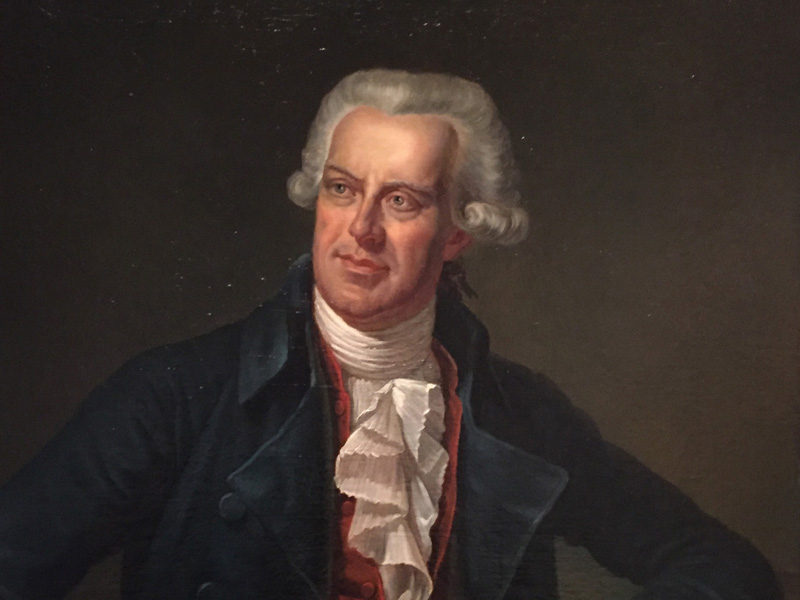
Pascal PAOLI
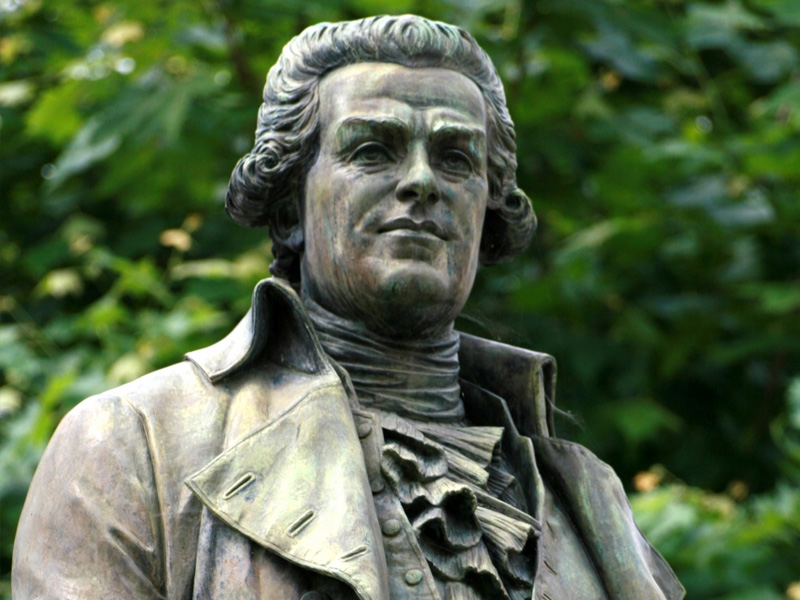
Place Paoli statue
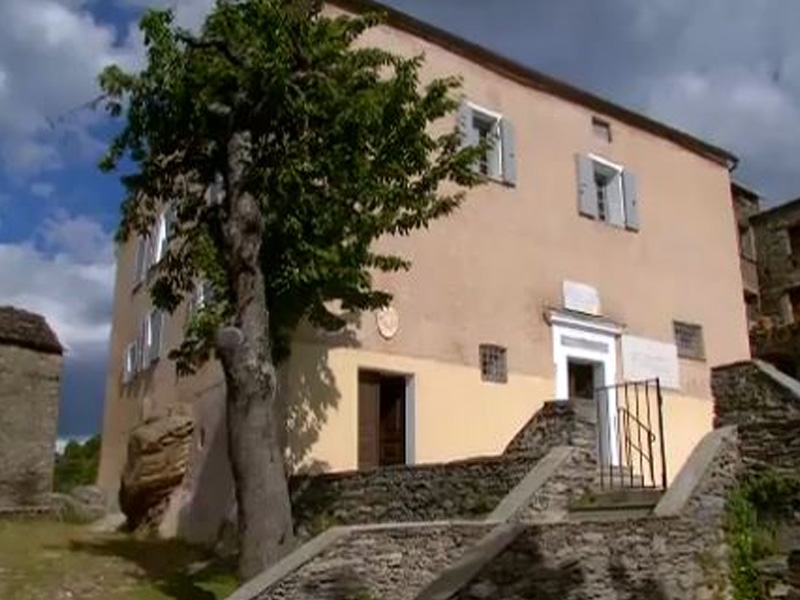
Museum (Morosaglia)

Pascal PAOLI
Pascal PAOLI - Politician
1725 - 1807
Pascal Paoli: The Father of the Corsican Nation
Pasquale Paoli (Morosaglia, 1725 - London, 1807) is unquestionably one of the most outstanding figures in Corsican history. A hero of independence and an enlightened visionary, he is affectionately known as "u Babbu di a Patria" - the Father of the Fatherland.
A head of state before his time
In 1755, at the great Consulte de Casabianca, Pascal Paoli was named General-in-Chief of the Corsican Nation. Inspired by the ideas of the Age of Enlightenment, he founded a truly democratic state, endowed with a pioneering Constitution: the deputies elected by universal suffrage elect the members of the Consulte, which in turn elects a Supreme Council that chooses, from among its members ,their leader, the General of the Nation. Under his leadership, Corsica acquired modern institutions:
- A fair justice system, the Ghjustizia Paolina, renowned for its rigor and impartiality.
- A currency of its own, minted first in Murato, then in Corte.
- A university, set up in Corte next to today's Place Paoli, a symbol of knowledge and progress.
In 1761, Corte became the capital of independent Corsica. Paoli installs his government in the Palazzu Naziunale (former Palais de la Signoria), today an iconic landmark of the city.
A man surrounded by influences and encounters
During his generalship, Paoli lodged on the second floor of the then dilapidated Palazzu Naziunale, also serving as a school and prison, and which would require major work throughout his generalship. He welcomed foreign visitors such as the writer James Boswell, who stayed in a specially converted apartment in the Franciscan convent. It was also at this time that the Bonaparte family, neighbors of the Arrighi family in Corte, became close to General Paoli.
From Republic to Exile
Faced with rising tensions, theRepublic of Genoa, saddled with debt and unable to contain the Corsican rebellion, appealed to France, and under the terms of the Treaty of Versailles on May 15, 1768, temporarily ceded Corsica to France. Corsican resistance was broken at the battle of Ponte Novu in 1769. Paoli then went into exile in England, where he remained for almost 20 years. He returned to Corsica during the French Revolution, but was soon disowned and came up against the Jacobin government. Accused of treason and declared "traitor to the French fatherland", he leaves the island one last time. When Paoli calls in the English fleet, the French royal troops have to abandon the island to the English, creating the Anglo-Corsican Kingdom with Sir Gilbert Elliot as viceroy of Corsica. Paoli returned to London. After the military successes in Italy of the young Napoleon Bonaparte, Corsica became French again in 1796.
A legacy still alive
Pascal Paoli died in London in 1807. His body was repatriated in 1889 to Morosaglia, his native village, where he is laid to rest in his house, now a museum.
Some thoughts from the greats about him:
- Voltaire : "To make himself loved by making himself obeyed, all this was certainly not of an ordinary man"; "Whatever may have been said of him, it is not possible that this leader did not have great qualities"