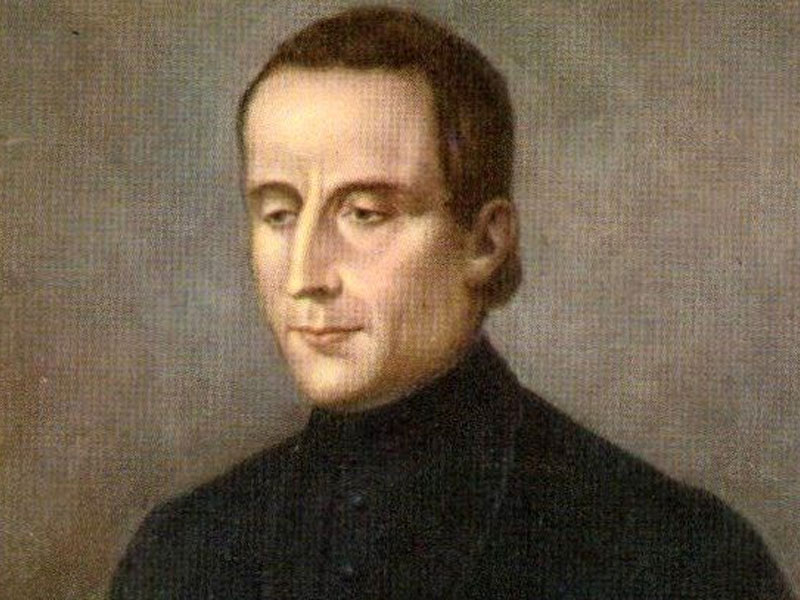
Charles-Dominique Albini

Menton
Rue Albini
Sic transit gloria mundi ... One of the largest families of Mentonnais is honored by a street about ten meters long and has no number.1302: the name Albinus appears in the oath of allegiance of Mentonnais to Antoine Vento.1346: An Albinus is cited in the act drawn up when taking possession of Menton by Berthon Grimaldi on behalf of Charles Grimaldi of Monaco. 1516 : the name Albini appears in the statutes sent to the people of Menton by Lucien Grimaldi, lord of Menton, Monaco and Roquebrune. In the eighteenth century, Pierre-Paul Albini and his son Antoine were financial agents of Prince Honoré III. Antoine's son, Honoré, was general steward of the Principality until 1814. His brother, Albin, was the last podestate of Menton until 1793, and the first justice of the peace of the canton. Albin's grandson, Charles (1822-1897) was a lawyer and notary in Menton and belonged to the "grand conseil", the government of Menton during the period of independence (1848-1860). His son Paul (1852-1928), also a notary, was a member of the city council from 1886 to 1906 and was the first deputy of Emile Biovès. Because of his position and his modesty, he was highly respected by the Mentonnais. Charles-Dominique Albini, an Oblate (1790-1839), was a vicar in Menton, confessor of the Hospitaller Sisters of St. Augustine who lived in the Madonna convent, a professor at the major seminary, and then was sent on a mission to the Provence region before returning to Corsica where he died. Paul Albini, owner of land on the seafront, had the Villa Carla built at the corner of Avenue Carnot, where the stone dominates, decorated with ceramic motifs from the Saïssi factory. He donated part of the land for urban development work. As a sign of gratitude, the name of Albini was given to the old "Rue des Eaux-Chaudes", so called because of the presence of a hot spring flowing into the sea nearby.