Their story.
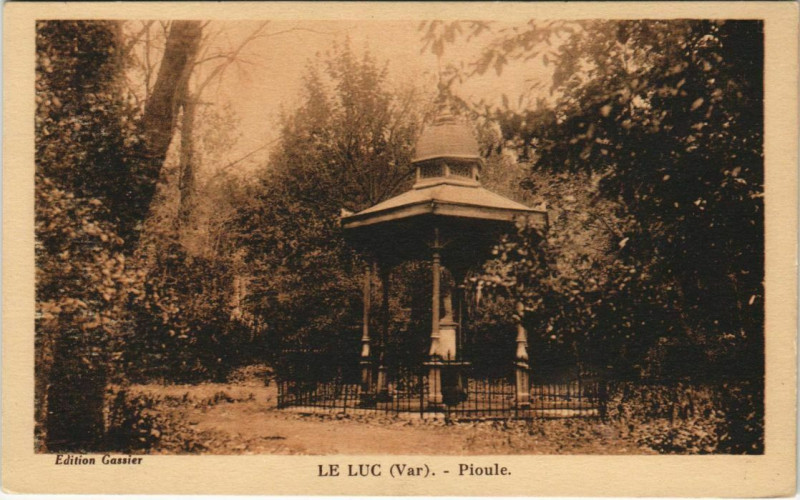
The Château de Pioule, located in Le Luc-en-Provence, is an emblematic building that bears witness to the town's development over the 20th century. Its history is closely linked to that of the waters of Pioule, known since time immemorial.
The waters of Pioule were exploited as early as the Neolithic period. The Romans, recognizing their curative virtues, built thermal baths
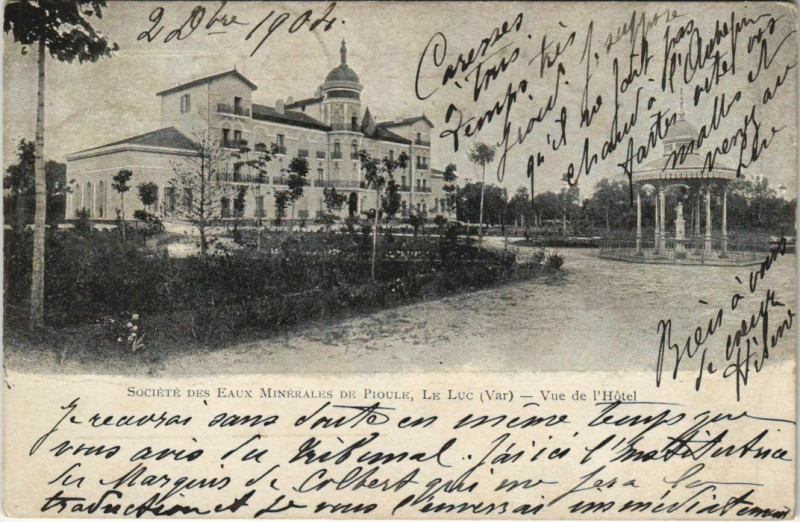
In1884, the (re)discovery of the Pioule spring transformed Le Luc into a renowned spa. Nicknamed the "Contrexéville of the Midi", it attracted visitors from all over Europe, including aristocrats from Berlin and St Petersburg. Water production was impressive, reaching nearly 1,500 hectoliters per day
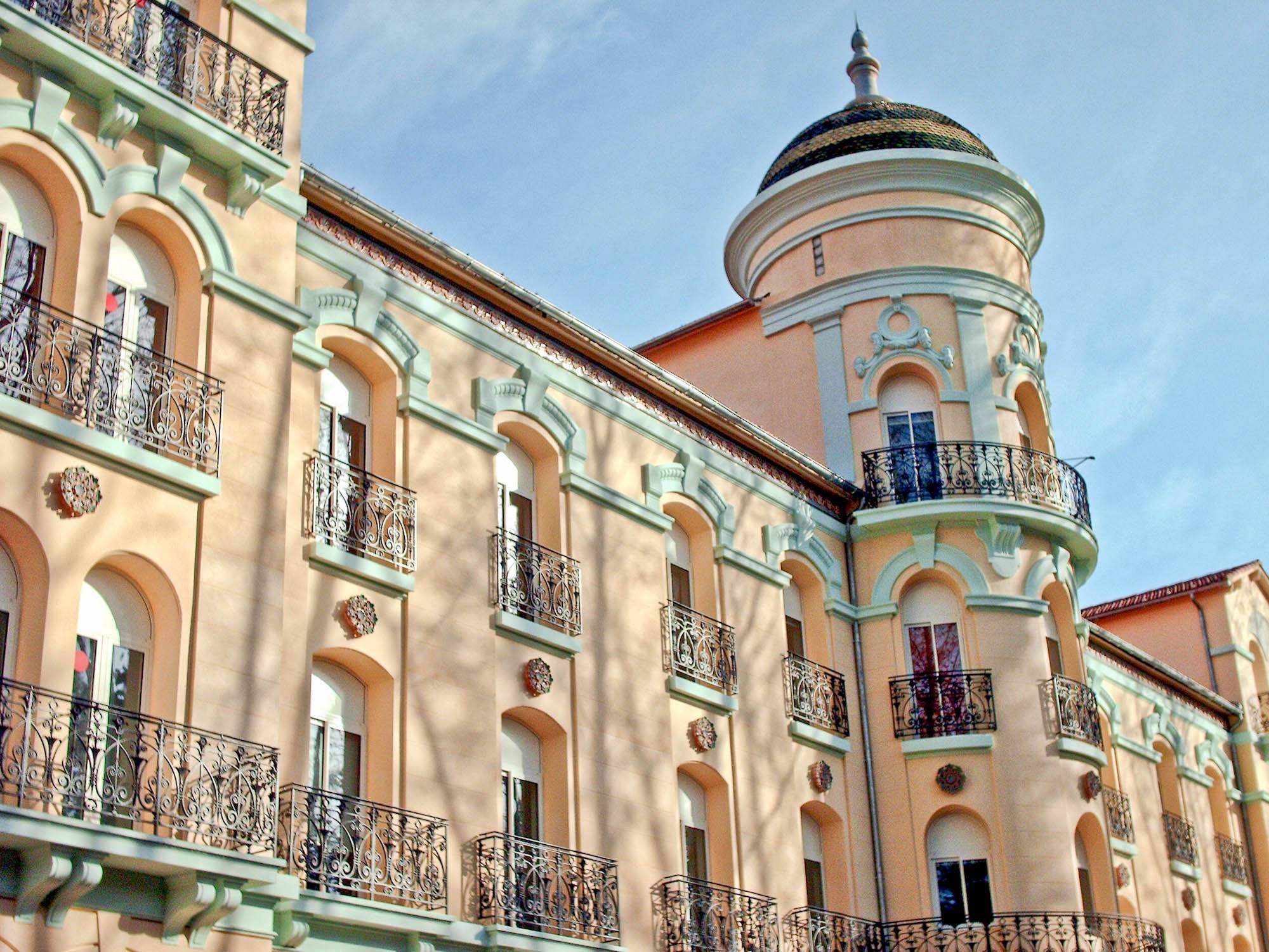
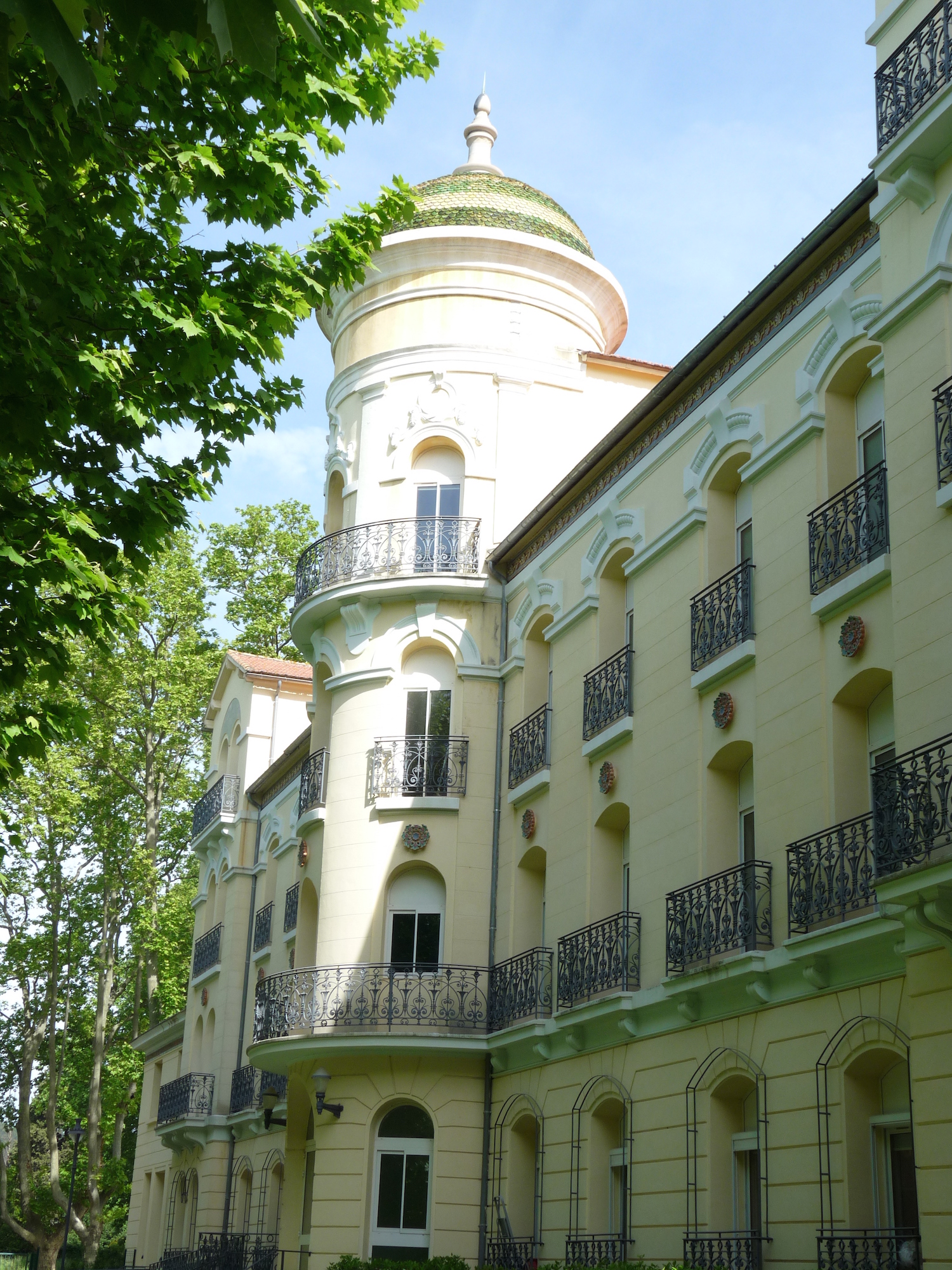
Built in 1908, Château de Pioule was originally conceived as a spa. In the 1920s, the building was transformed into a casino, reflecting the evolution of leisure activities at the time. This casino, which delighted spa-goers and Lucois alike, was unfortunately destroyed in 1989
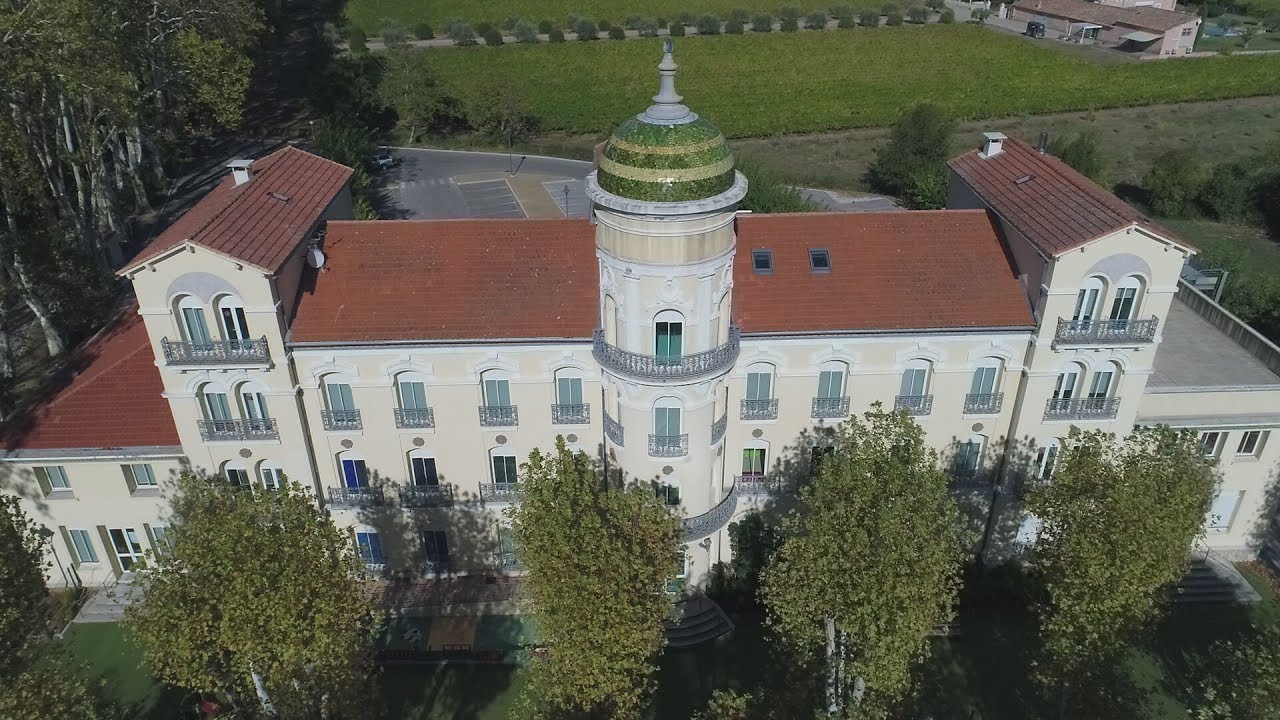
In the 21st century, the Château de Pioule has found a new vocation, becoming the commune's early childhood center. This change of function has preserved the building while giving it a social and educational mission.
Although the spa's activity has declined sharply, bottling of Pioule water continued until the early 2000s. Exploitation was then definitively abandoned, and the Mairie acquired the site to install its municipal crèche
The Château de Pioule, with its domed roof covered in green ceramic tiles, remains visible above the majestic trees of its park, bearing witness to its glorious past and its adaptation to the modern needs of the community.
It is said that some Lucois, who had gone to South Africa, created a mineral water named Pioule, and that it lived a 2nd life in this far-off land of our Provence!