Their story.
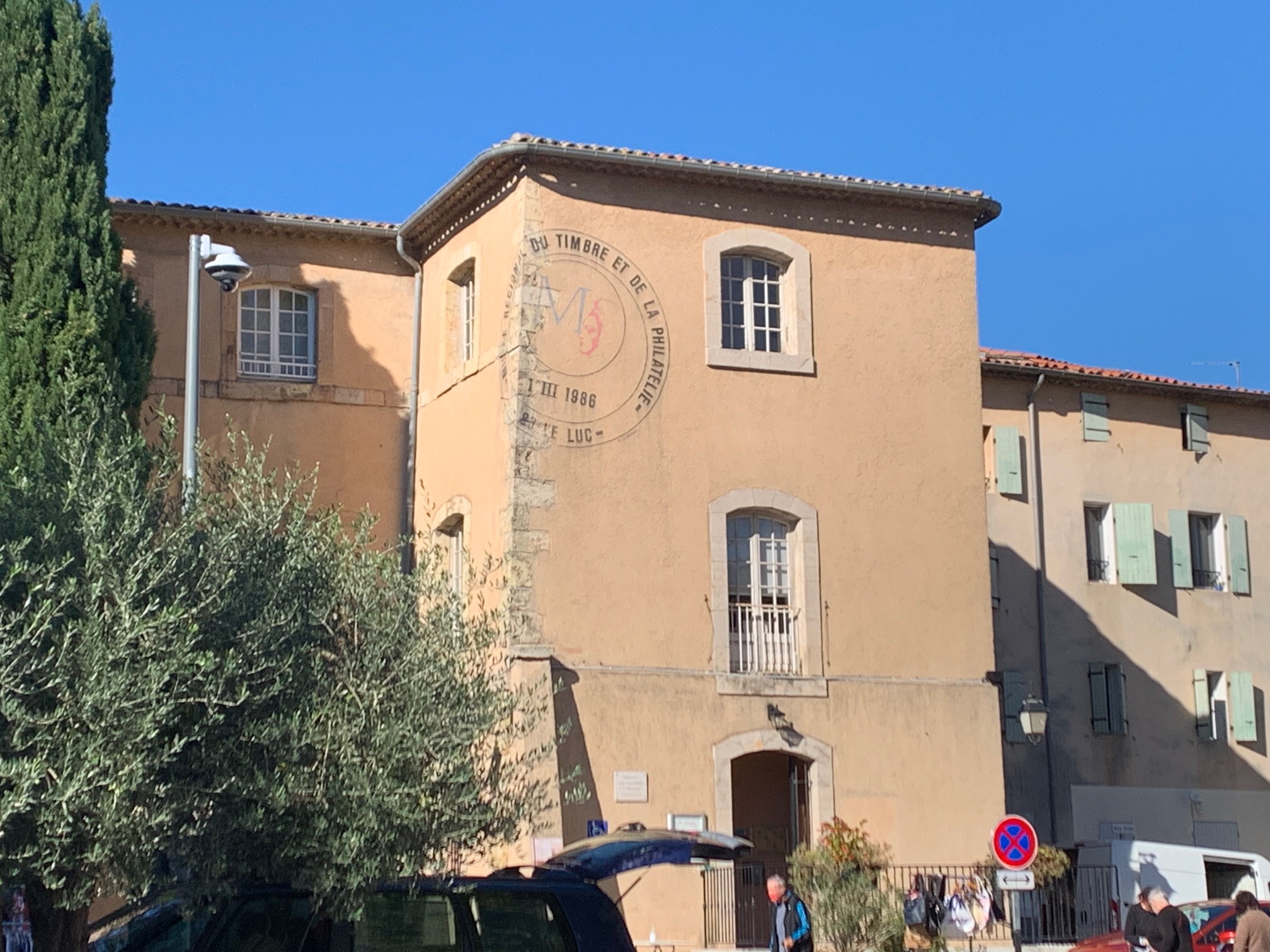
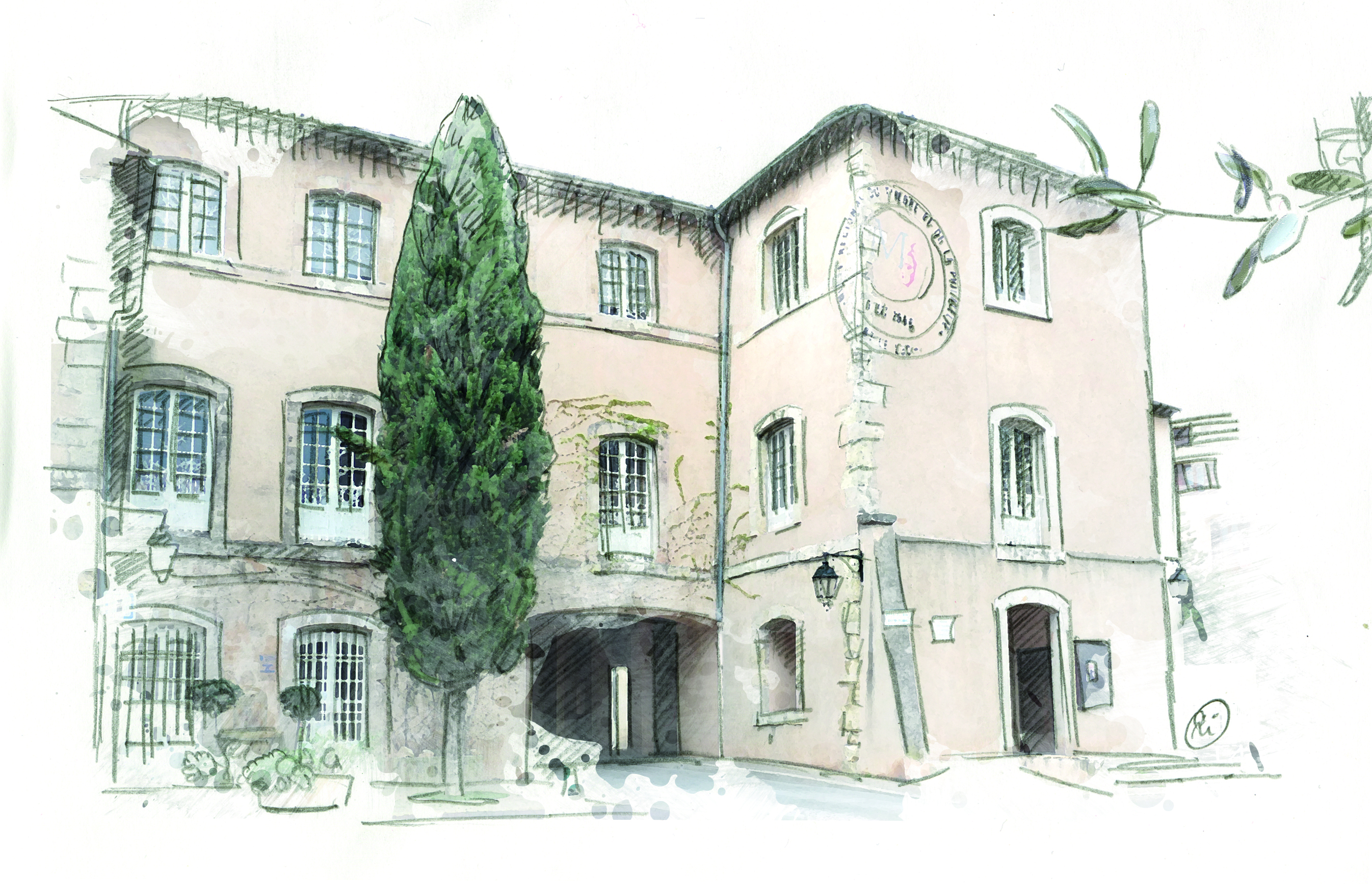
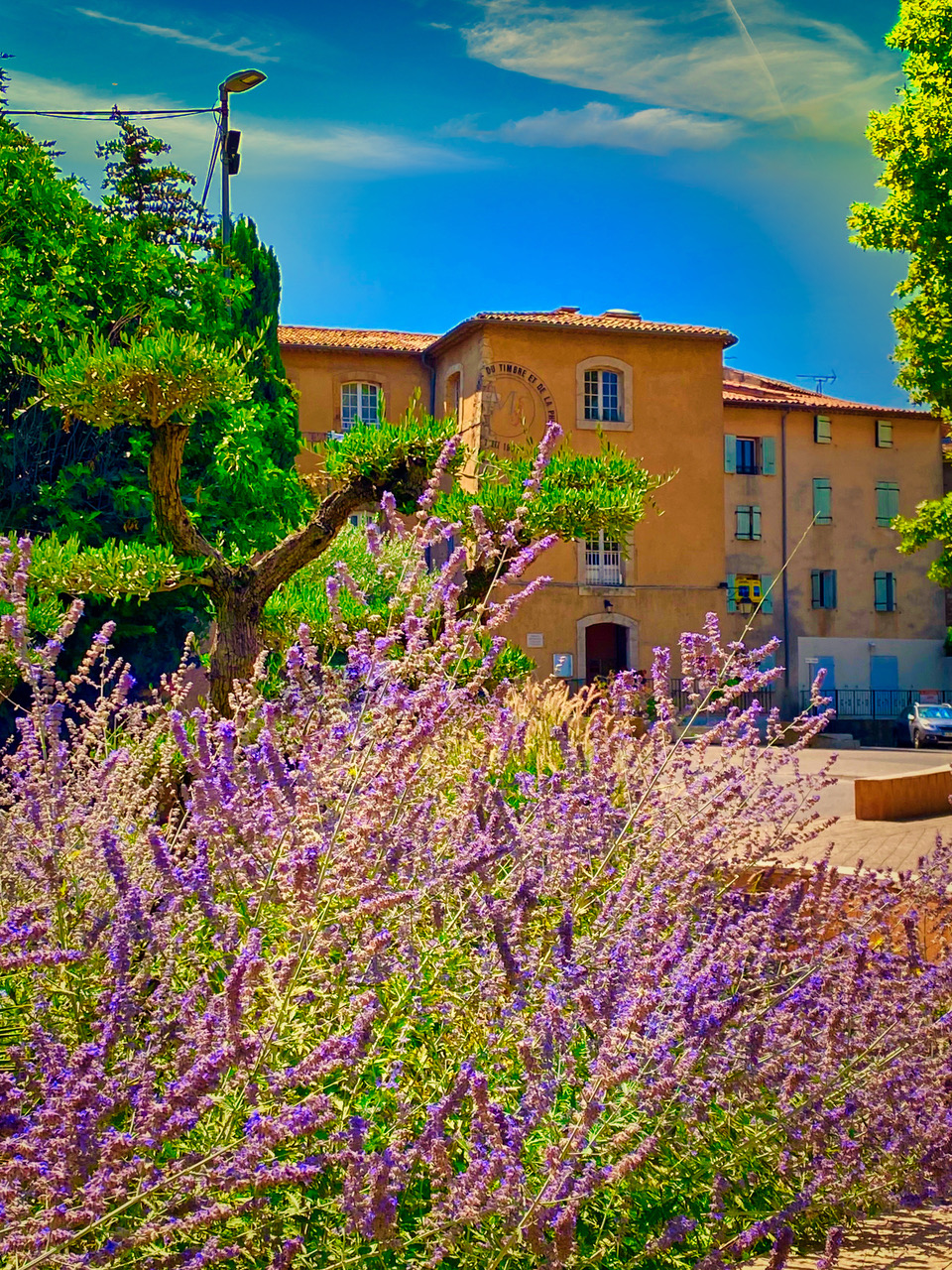
In the heart of Le Luc-en-Provence stands the majestic Château de Vintimille, a silent witness to several centuries of history. Its story begins in 1600, when François de Vintimille, from a noble Italian line whose influence extended far beyond the borders of Provence, undertook its construction. The edifice grew in prestige and size, undergoing a significant extension in 1666 that transformed it into one of the region's most admired residences.
The château not only impressed with its architecture, it was surrounded by a park whose beauty rivaled the finest gardens in Provence. In front of the façade stretched flowerbeds designed by the famous André Le Nôtre, gardener to the Sun King, creating a plant show worthy of the greatest palaces. A sumptuous orangery added to the splendor of the place, while century-old trees, some of them of great rarity, offered their shade to strollers. Among these botanical gems, a Ginkgo Biloba, planted around 1800, continues to unfurl its foliage behind the château today, like an immutable guardian of the passing of time.
The history of the Ventimiglia family is rich in military and diplomatic exploits. In the 14th century, Charles I de Grimaldi, a descendant of this lineage, ruled the city of Ventimiglia with a reputation as an outstanding military strategist. Two centuries later, in 1500, King Louis XII recognized the value of this family by appointing Jean II Grimaldi governor of Ventimiglia, testifying to the trust placed in the Ventimiglia family to protect the interests of the French crown in this strategic region.
But the influence of the Ventimiglia family was not limited to feats of arms. In the 16th century, Jacques de Vintimille distinguished himself in the world of letters by translating Machiavelli's "The Prince", thus opening the doors of Italian political thought to the French court.
The history of the château took a dramatic turn with the French Revolution. The Ventimiglia family, forced into exile in Germany, left behind the estate, which was then divided up and sold. The building was then used for a variety of purposes: first as a hospital, then as a garrison for Napoleon's troops, adapting its noble structure to the changing needs of the times.
Until very recently, the Ventimiglia castle was home to the tourist office, welcoming visitors curious about the history of Le Luc. The château was also home to the Musée Régional du Timbre et de la Philatélie, combining its prestigious past with a modern passion for collecting, before it was transferred to the former mill located near Place Brunet. Today, the Château de Ventimiglia is home to our local media library and cyberbase, offering easy access to all the latest technologies.
In this way, the Château de Ventimiglia continues to write its own history, blending the echoes of its aristocratic past with contemporary activities. It remains an essential place of memory for Le Luc-en-Provence, a bridge between the centuries where each stone tells a part of the history of the town and Provence. From war to culture, politics to religion, the Ventimilles have left their mark, making their château not only a witness to local history, but also a symbol of a family whose influence has radiated far beyond the borders of Provence.