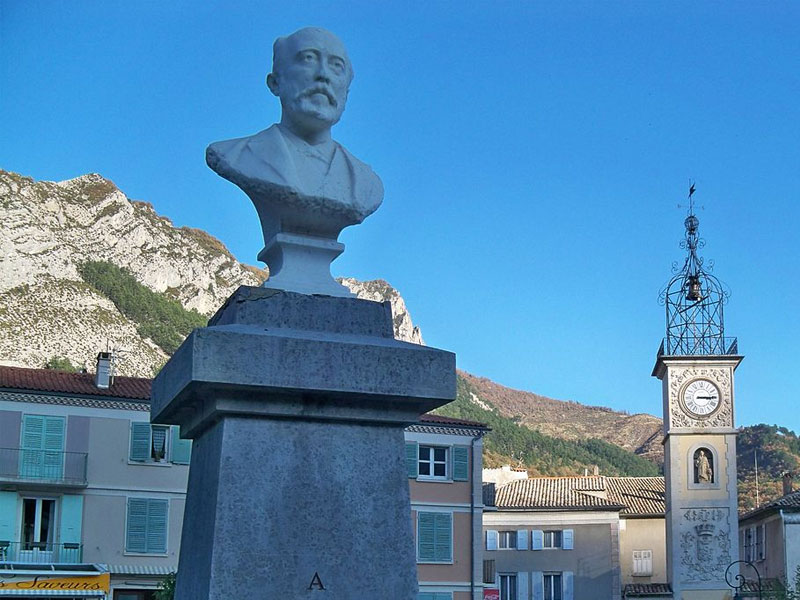

Avenue Paul Arène
Paul ARENE - Writer
1843 - 1896
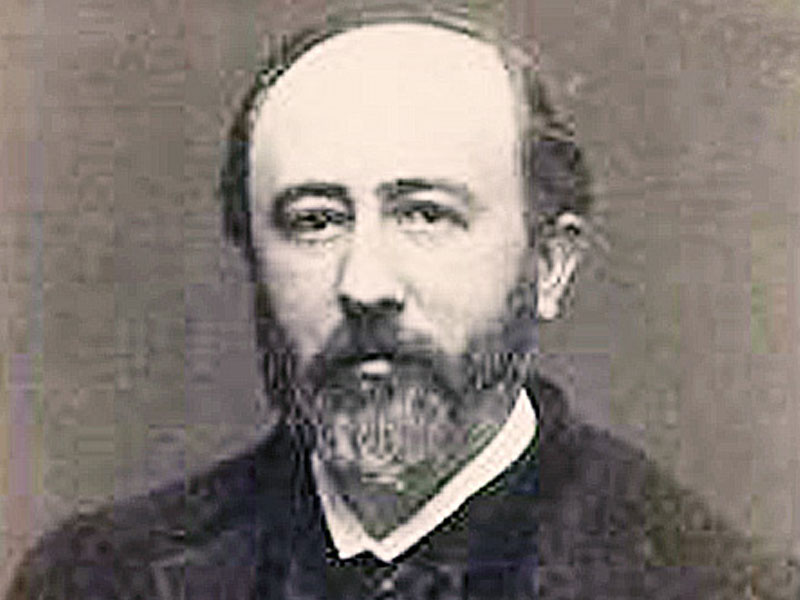
Paul Arène, born June 26, 1843 à Sisteron and died December 17, 1896 à Antibes, was a French poet and writer. After taking a degree in philosophy, Paul Arène worked as a teacher at the Lycée Thiers in Marseille, then at the Lycée de Vannes. A small play played with success in the Odéon, Pierrot héritier, makes him leave, in 1865, the university for journalism; he is then 23 years old.3 In 1867, Paul Arène is one of the authors of the contemporary Parnassiculet, a parody of the contemporary Parnasse4. The Parnassiculet earned him strong enmity. The authors of the contemporary Parnassus are called Turks retarded who have forgotten, or perhaps do not know, that the romantic carnival has been closed for thirty years.
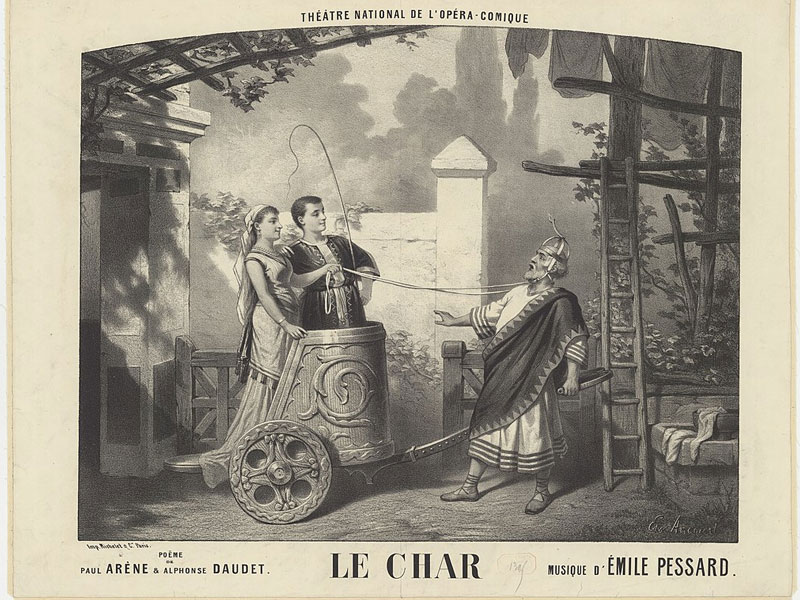
À Paris, he fréquente literary caféraires and became friends with Alphonse Daudet, François Coppée, Catulle Mendès. As Octave Mirbeau realized in 1884, Paul Arène collaborated actively with Alphonse Daudet in the writing of the chronicles of Provence published by L'Eacute;vée;nement, which were then collected under the title Lettres de mon moulin, a collaboration so dense that Paul Arène is described by some specialists in the history of Provençale literature as Daudet's nègre.
In 1868, Paul Aréne writes, 25 years, what remains his masterpiece, Jean-des-Figues. He takes part à the war of 1870 with the rank of captain and receives, in 1884, the Légion d'Honneur.after 1870, he publishes thematic pieces, chronicles, tales, poems, including Le Tors d'Entrays, Le Clos des Mes, Le Canot des Six Capitaines, Au Bon Soleil and La Gueuse Parfumante, two collections of tales. Then came La Chèvre d'or, followed by Les Ogresses, Le Midi bouge and Domnine.
It is a very interesting story
He wrote regularly for Le Journal, then Le Figaro littéraire articles and columns. In constant contact with Joseph Roumanille (he composed his first Provençal verses which appeared in the Almanach avignonnais), Frédéric Mistral and Théodore Aubanel, his two teachers5 ; he gathered his Occitan friends in Paris, then, inspired by the Félibrige de Fontségune, he organized in 1879 the Parisian Félibrige, of which he was the president after Charles de Tourtoulon and Jasmin. He was also major of the Félibrige in 1884. He animates various reviews: La Cigale, La Farandole, Lou Viro-Soulèu.
The subject of all his Provencal pieces is drawn from some particularities of the walls or landscapes of the Sisteron region: Fontfrediero, Lis Estello negro, Raubatori.a large painting by Paul Chabas, Chez Alphonse Lemerre, Ville D'Avray, on request of the editor of the Parnassian poems, represented by Paul Archer;sente Paul Arène aux côtés de Sully-Prudhomme, de Jules Claretie, de Leconte de Lisle ou de lécrivain et académicien français Paul Bourget.
He is buried in the cemetery of Sisteron (Alpes-de-Haute-Provence).