
Place de la Libération
Place de la Libération
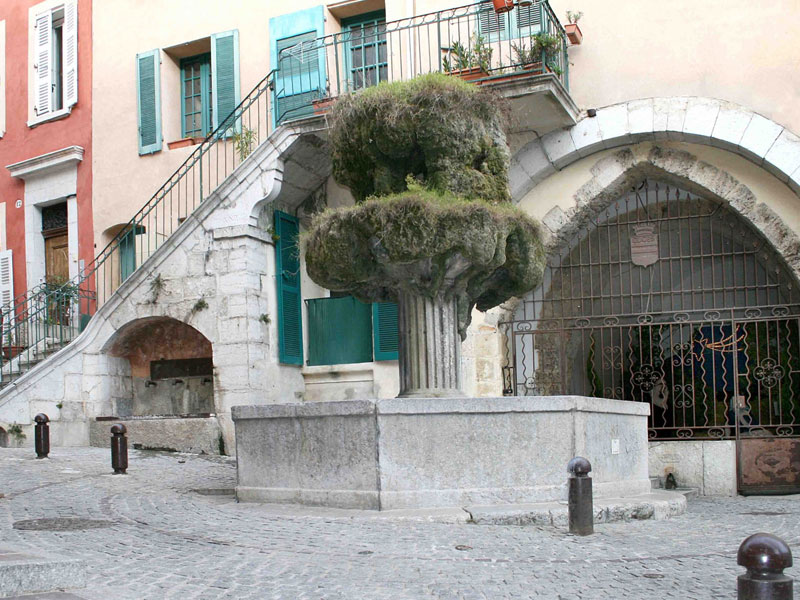
The Place de la Libération, located in the heart of Cuges-les-Pins, is an emblematic place where history, heritage and collective memory come together. Lined with plane trees and alive with village life, it is home to several remarkable heritage features. A true witness to the past, this square embodies the soul of the village and the attachment of its inhabitants to their roots.its name pays tribute to the Liberation of Cuges-les-Pins at the end of the Second World War, in 1944, when the village regained peace and freedom after years of occupation.
Three anecdotes about this square:
- The washhouse, the heart of village life: In the past, the washhouse on the square was an essential meeting place for the women of the village. They exchanged news, recipes and the occasional gossip as they washed their clothes in the clear spring water. The stones of the washhouse, worn by time, still bear the memory of these lively conversations and this simple, warm daily life.
- The mossy fountain, symbol of freshness and life: The central fountain, covered with thick green moss, is fed by natural spring water. It has long been used to water livestock and cool inhabitants on hot summer days. Today, its round silhouette and constant murmuring make it a typical feature of the Provencal landscape, often photographed by visitors.
- Victor Hugo in Cuges-les-Pins: In the 19th century, Victor Hugo stayed for a time in Cuges-les-Pins, in an inn overlooking the square. According to local tradition, he found the village's calm a source of inspiration, and wrote several pages of correspondence from this residence. His visit remains a source of pride for the people of Cuges-les-Pins, who like to remember that one of France's greatest writers once walked through their streets