
Eglise de l'Annonciation
Eglise de l'Annonciation
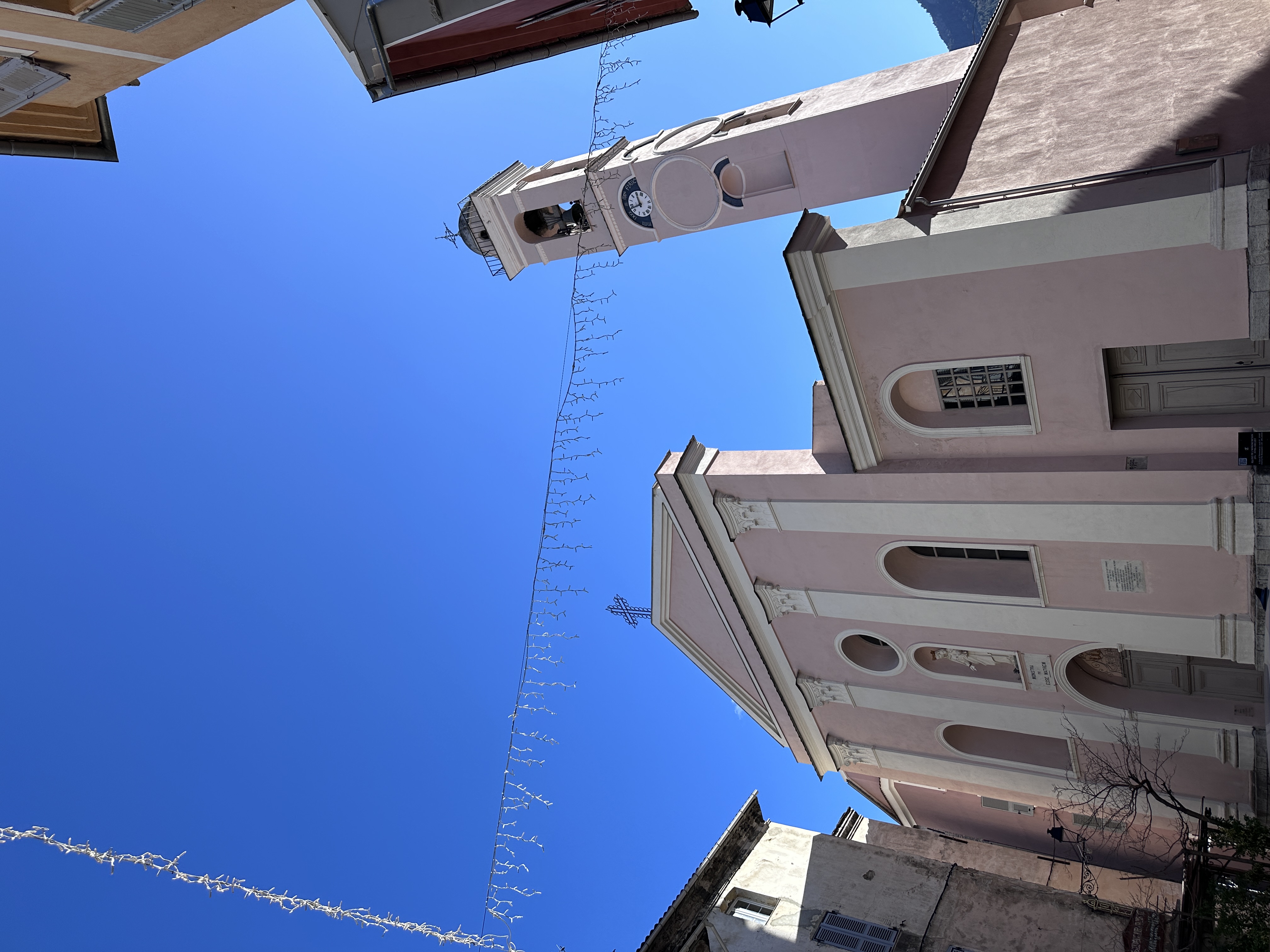
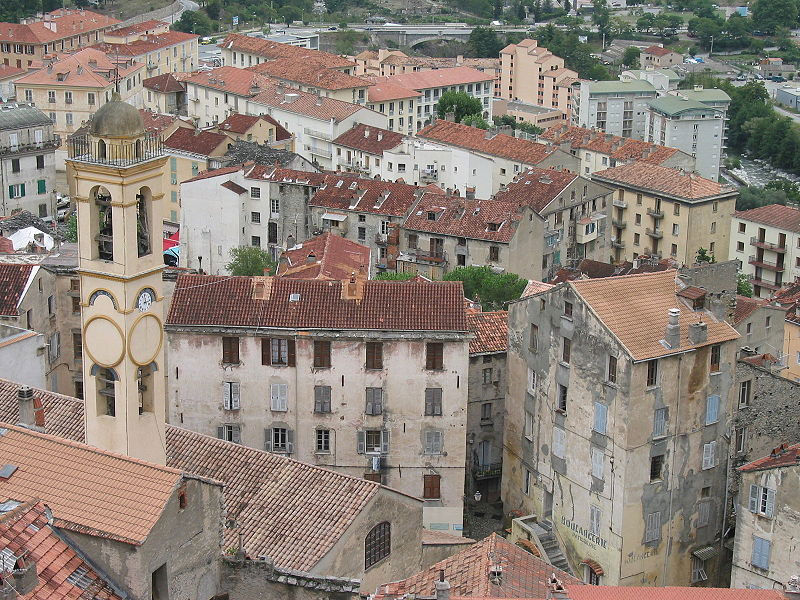
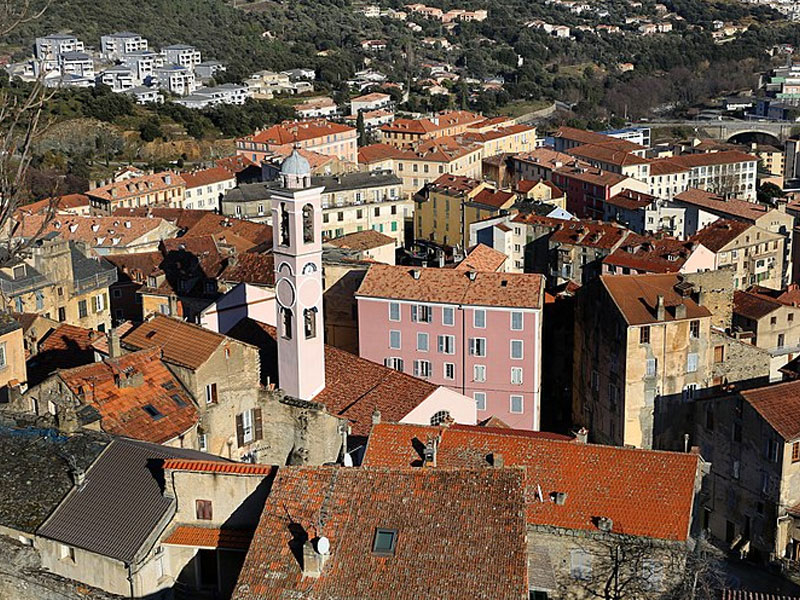
Overlooking the upper town, the bell tower of the Church of the Annunciation is one of the city's oldest symbols, along with the Citadel. Built in 1450, it was enlarged in the XVIIᵉ century, incorporating a former stable and a new side aisle encompassing the original bell tower.
It has been listed as a Monument Historique since 1973.
To discover inside:
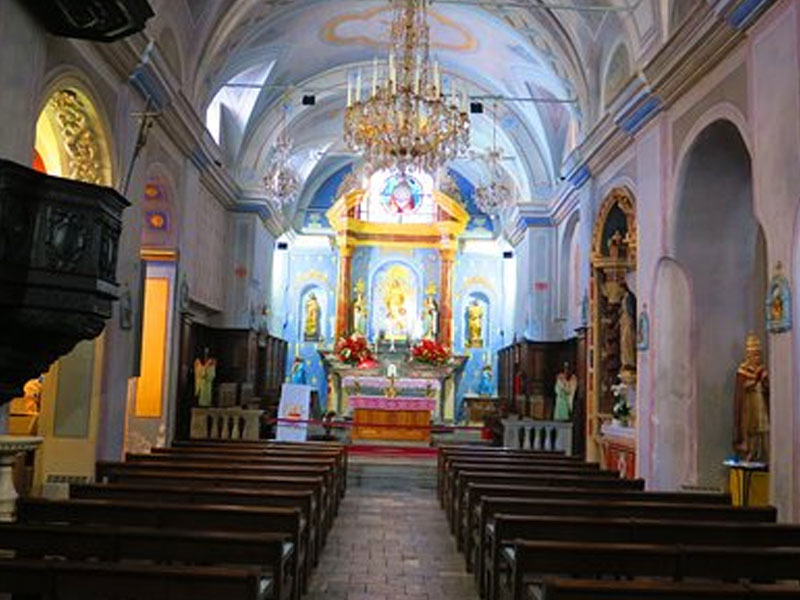
The wax statue of Saint Theophilus, in the side aisle, made by the Musée Grévin, and the relic of a sandal of the saint. From an old Cortenese family, born Blaise de Signori this Franciscan monk distinguished himself through his teaching. Strictly observing the three vows of poverty, chastity and obedience, he was canonized in 1930.
The carved wooden pulpit, from the former Franciscan convent in Corte. After the separation of Church and State, this convent, left abandoned, was bought by the Arrighi de Casanova family, who donated it to the church.
Christ on the cross, the only agonizing Christ in Corsica: his half-open eyes symbolize his agony in the face of his suffering humanity. During Easter celebrations, he is hung on the cross on the church facade before being carried on a stretcher by penitents in procession through the streets of the town. It is accompanied by the statue of the Virgin Mary in mourning, dressed in black.
Two paintings:
To the left of the altar: Saint Theophilus interceding with the Duke of Württemberg to plead forgiveness for the rebellious inhabitants of the village of Zuani, saved from destruction along with the Franciscan convent and ritiro that were spared.
To the right of the altar: the miracle of the healing of a young blind woman.
A stained glass window of Saint Marcel, pope and martyr in 309, recognizable by his green palm. This stained glass window comes from the former parish church destroyed in 1836.
The church hosted the preaching of four saints:
- St. Theophilus
- Saint Alexandre Sauli
- Saint Léonard de Port-Maurice
- Saint Jean XXIII