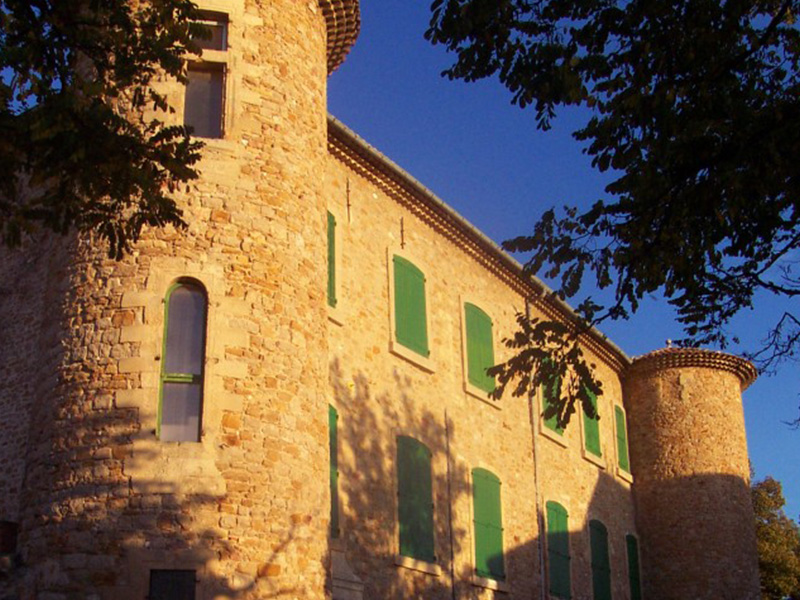
The Castle
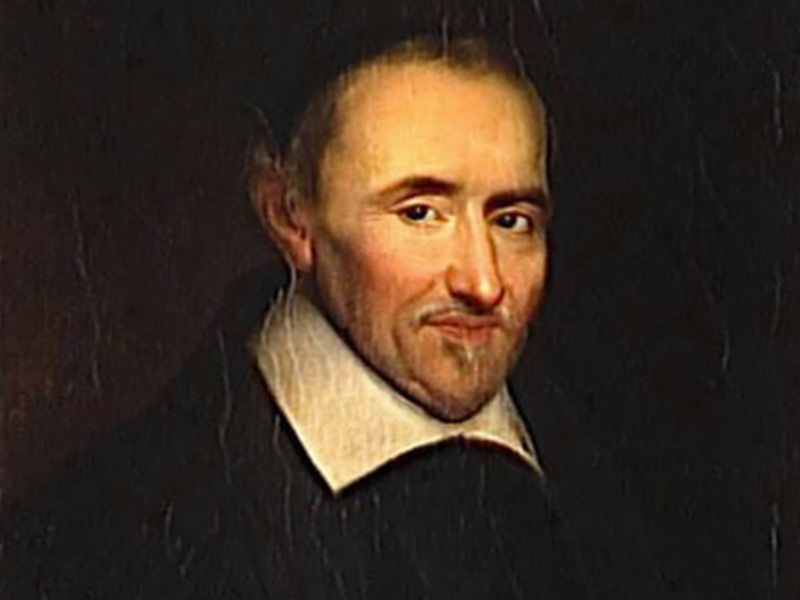
Pierre Gassendi

Avenue Saint-Eloi
Le Château de Peynier
The castle is the main architectural element of the village. Built in the middle of the 16th century by a Matheron (a family of lords of Peynier), it is typical of the architecture of the Provencal Renaissance. Two large round towers flank the main facade, which were pierced at the time with cross windows. In the small courtyard, a M formed on the ground by bricks in the middle of the calade recalls the name of Matheron. The castle then passed to the Isoard de Chênerilles family and then to the d'Arbaud de Matheron family, before becoming the property of the Thomassin de Peynier family in the middle of the 17th century. In the 18th century, the Marquis Louis de Thomassin de Peynier completely refurbished it. He had gypsum decorations made in the salons, and the gardens were redesigned, adding a magnificent monumental gate in 1769 (date engraved on the pillar). The interior has retained part of its monumental staircase (similar to those found in the mansions of Aix) and a French ceiling in the large lounge, as well as marble fireplaces. The castle remained the property of the Thomassin de Peynier and their descendants until 1933, when it was sold to the Archbishopric of Aix. It now houses a private school and was bought by the town. In 1621, Pierre Gassendi (philosopher and astronomer) visited the lord of Peynier Jean-Baptiste d'Arbaud de Matheron for a court case. Probably residing at the castle, it was there that he observed, on September 12, an aurora borealis in the direction of Sainte-Victoire. This observation, made possible in Peynier because of exceptional solar activity, led the scientist to use the term "aurora borealis" for the first time.