Photos: City of Lambesc
Photos: City of Lambesc
Photos: City of Lambesc
Photos: City of Lambesc
Photos: City of Lambesc

Lavoir et la bonne fontaine
Lavoir et la bonne fontaine
ÉCHOS D'AUTREFOIS
What was the purpose of the washhouses of the time ?
The washhouse appeared in the 18th century. Before that, laundry was done in the home, in springs or fountains. A washhouse is a basin supplied with water of natural origin whose primary purpose is to rinse laundry after it has been washed. In the past, laundry was done by the mistress of the house in modest households, while larger homes called on the services of professional washerwomen. The washhouse was frequented only by women. It was a place for reunions, discussions, gossip and sometimes jealousy between washerwomen whose laundry looked better.
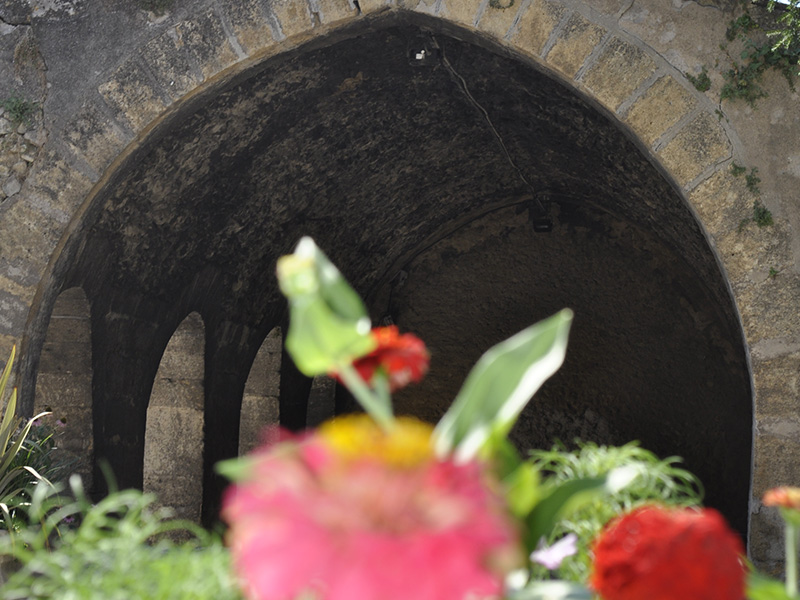
LE LAVOIR "LOU LAVADOU" :
Son histoire :
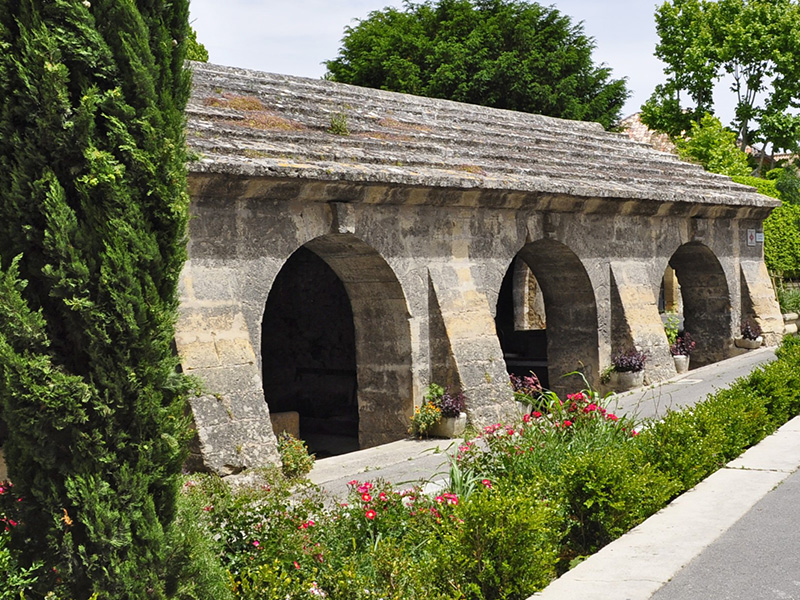
Dated 1759 and located in Lambesc's historic center, the Lou Lavadou washhouse replaces the old 16th-century washhouse, built of light materials outside the ramparts that once surrounded Lambesc. It was located in front of the Porte des Lices. Many years later, when the ramparts gradually disappeared as they were no longer of any practical use, a new washhouse was put in place, replacing the old, non-resistant washhouse to provide a more sustainable development for the town of Lambesc.
Its architecture :
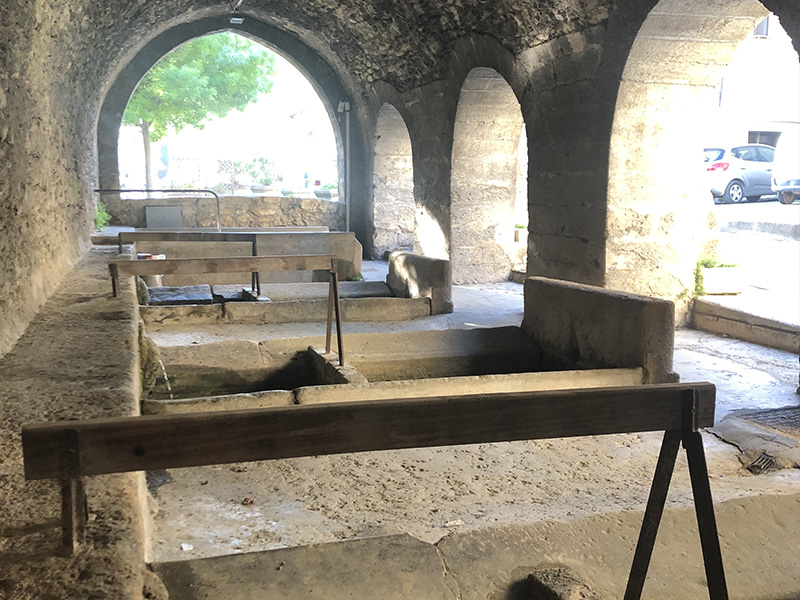
A washhouse can be open as well as closed with different possible shapes. Each washhouse is unique and has its own architecture. The new washhouse, also known as the "Lou Lavadou" washhouse, stands out for its monumental dimensions. At 17.5 m long, 4.25 m wide and 4.40 m high, the washhouse is a true architectural masterpiece. The structure is solid and sturdy, made of Rognes stone, and the roof is entirely covered with "lauzes" (stone slabs), making it unique in comparison with neighboring towns. Each of the basins still has its hanging board held in place by an iron device.
His resistance :
While the washhouses of Aix or Marseille had a life expectancy of half a century, Lambesc's has held up for over two centuries, even surviving the 1909 earthquake !
His memory :
The washhouse has been listed as a historic monument since 1984, and serves as a reminder of " old Lambesc ", keeping the memory alive for Lambescans and showing it off to foreigners. It also shows the conditions and the work of the washerwomen of the time, which took place in the four double basins inside the washhouse, fed by the waters of the Bonne Fontaine.
LA BONNE FONTAINE:
His story :
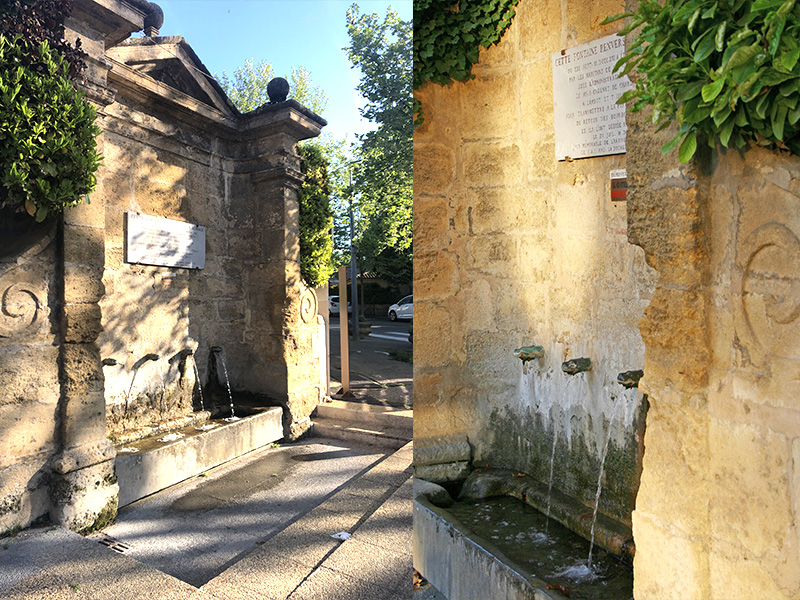
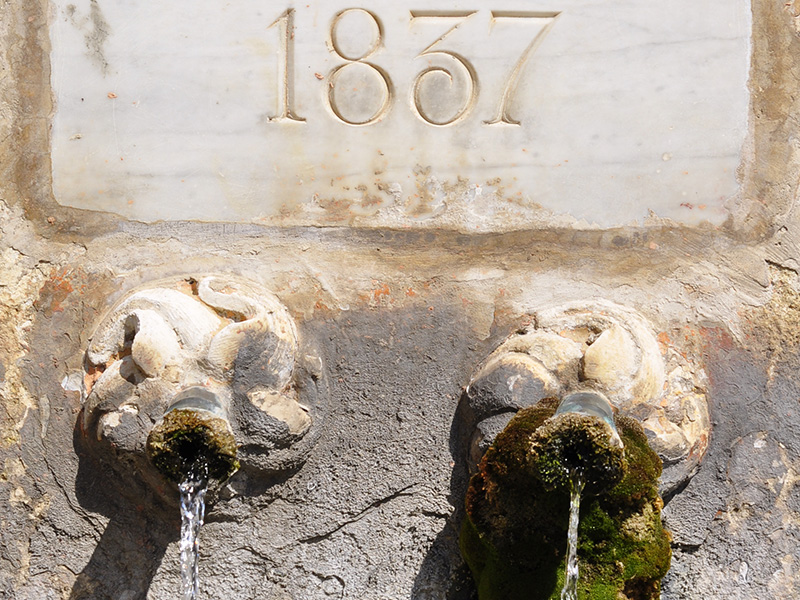
The fountain is located just a few dozen meters from the washhouse, allowing the latter to be fed. Indeed, this fountain is known for its pure, fresh and abundant water, which flows through its four bronze cannons in the shape of animal heads. La Bonne Fontaine, also known as "Bono Font", dates back to the 15th century, making it the oldest fountain in Lambesc. Its water has been flowing for over 500 years. What's more, each side of the fountain features a carved stone scroll, giving it an elegant architectural appearance. During the summer months, the fountain is framed by vegetation, making it even more beautiful.
His benefits :
It not only helped feed the inhabitants, but also watered the town's gardens. In addition, its low, shallow basins kept domestic animals, horses, goats and donkeys hydrated. At the time, Lambesc was well known for its livestock farming. The fountain served as a drinking trough, although one existed nearby, now gone.
His difficulties encountered:
Unfortunately, on September 21, 1813, a violent storm destroyed the fountain. Shortly afterwards, by order of the mayor, a reconstruction was requested and carried out in 1814 by the inhabitants of Lambesc on the occasion of the passage of the Duchess of Orleans. The fountain was moved a few meters in the direction of the wash-house, to clear the road and allow better traffic flow. The lightning gave us to know that its abundant waters came from a spring located a little further into the town, as shown on the plans of the pipes when the fountain was rebuilt.
His memory :
It was only years later, in 1972, that a grey marble plaque, recovered by the Friends of Old Lambesc, was hung above the Bonne Fontaine cannons to recall this incident.