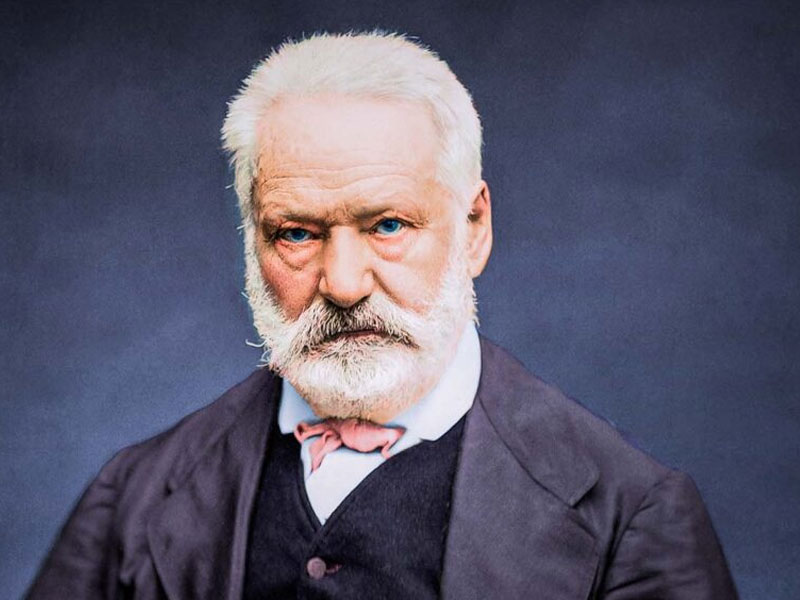
Victor Hugo
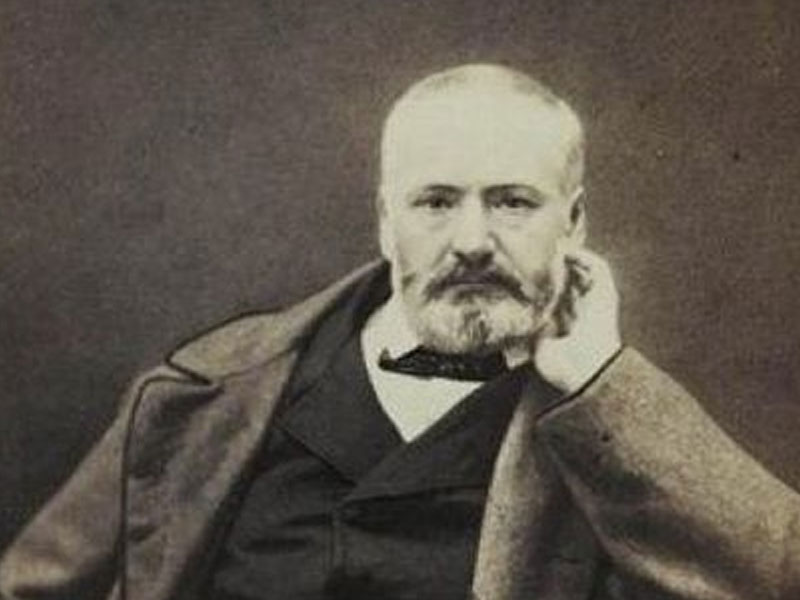
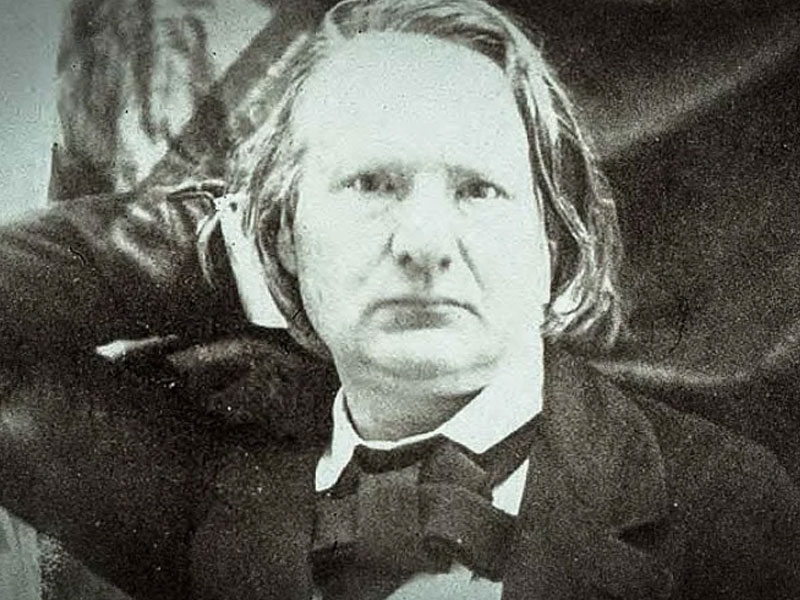
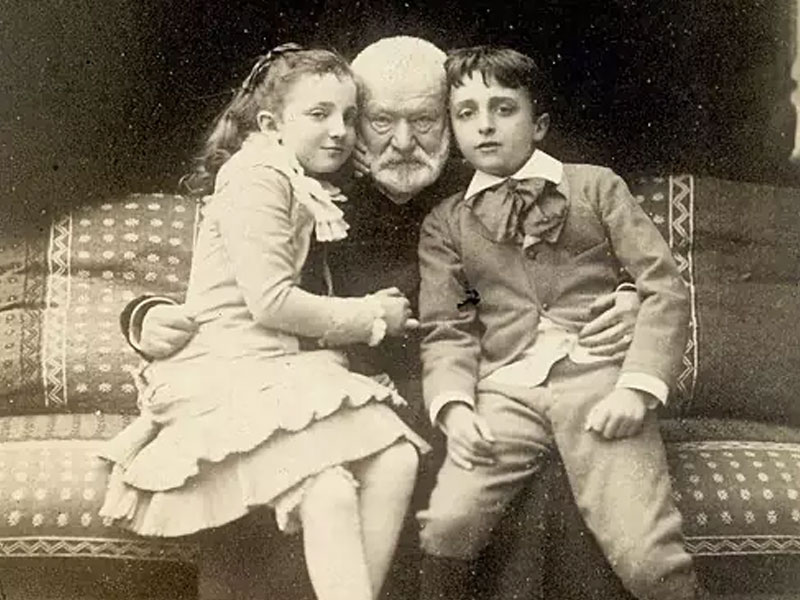

Avenue Victor Hugo
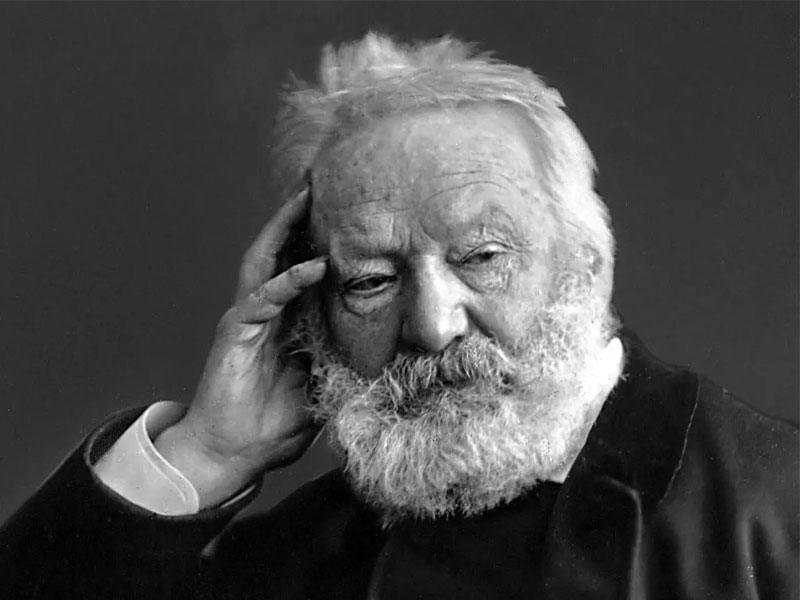
Victor HUGO - Writer
1802 - 1885
Victor Hugo is one of the greatest French poets and writers of all time. He was born in Besançon and studied at the Lycée Louis-Le-Grand in Paris. From 1816, he asserts his literary vocation: "I want to be Chateaubriand or nothing!"
Victor Hugo is, à his débuts, poète and monarchist. But the events of 1830 and his affair with Juliette Drouet provoked in him profound changes in his ideas and made him the leader of the Romantic movement. His apartment becomes the seat of the "Cénacle", gathering young romantic authors. He wins with Gérard de Nerval and Théophile Gauthier the "battle of Hernani", against the supporters of the classical théâtre. A writer of genius, he sees his notoriety quickly transform into a literary legend. Victor Hugo was read the Académie Française in 1841 and Pair de France in 1845. He lost his daughter Léopoldine in 1845 and seemed to seek in politics an appeasement of his pain.
Moved by the suffering of the people in 1848, Victor Hugo became a publican and displayed his hostility to Napoléon III, who had him exiled to Jersey, then Guernsey. In 1859, he refused the Emperor's amnesty. During this exile, which lasts nearly twenty years, he produces the richest part of his work.
Returning to France in 1870, Victor Hugo was welcomed as the symbol of the Republican resistance to the Second Empire. He was read as a Parisian, then as a Senator. His literary production then follows politics. He publishes mainly works started during his exile. Sensitive to the mysteries of the world, Victor Hugo tries to match his spiritual vision of the universe with a rationalist and optimistic conception of human history. Over the years, he becomes fundamentally anti-clerical and forcefully denounces obscurantism.His national and civil funerals in Paris are grand, as he was, during his lifetime, the most popular writer and a great defender of public Ré.