
Chapelle Saint-Antoine
Chapelle Saint-Antoine
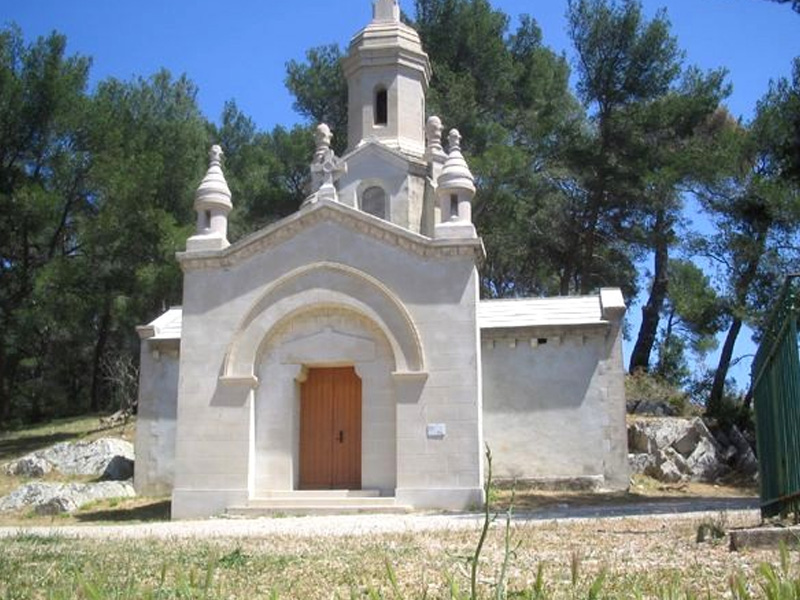
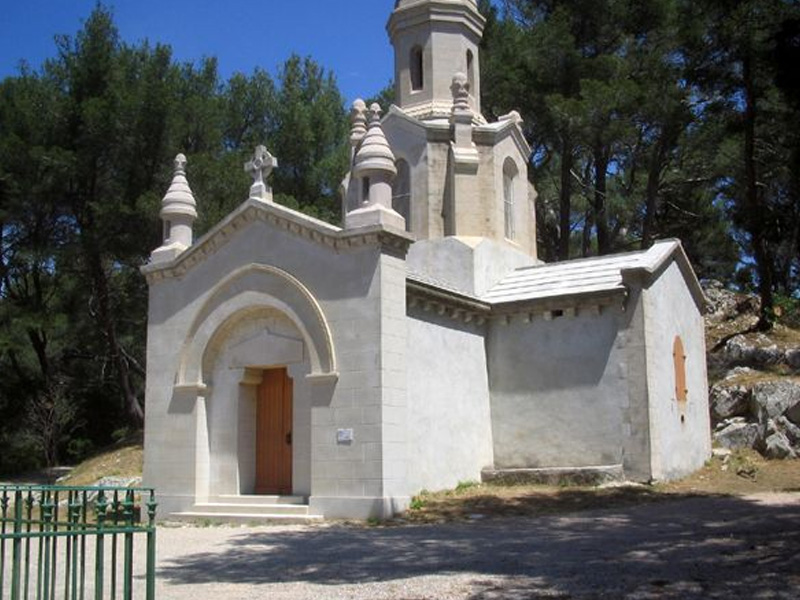
The chapel stands on a hillside overlooking the village and the wide valley and offers a magnificent view. On this hill was built the ancient village which has now disappeared; in the 11th century it was protected by a castle, the Castrum de Cugulli or Castrum de Cugis, at the foot of which existed a first chapel, the Sainte-Croix chapel. In 1348, the Pope's legate Guy de Montfort, a descendant of Saint Louis, was passing through Cuges on his way to Italy. Struck by the black plague in Marseille, he was treated by the people of Cuges with great devotion; so much so that he recovered and promised to offer them a relic of Saint Anthony of Padua. In 1350, the inhabitants received from the hands of Guy de Montfort, returning from Italy, a part of the skull of Saint Anthony which had just been exhumed in Padua. This object has been preciously kept in Cuges ever since. In the 16th and 17th centuries, the chapel became a hermitage, while the village was abandoned. One of the hermits who lived there, Brother Jean Bonifay, was considered a saint. In 1692, after 55 years of austere life, he died and was buried in this place in the presence of the whole population. In 1896, in place of the hermitage, the present chapel was built, dedicated to the patron saint of the town, Anthony of Padua. The chapel was renovated in 1996. Every year Cuges hosts a pilgrimage on June 13 and 16 in honor of the saint. A monk of Portuguese origin, Saint Anthony of Padua (ca. 1195-1231) was a disciple of Saint Francis of Assisi and a tireless pilgrim. He spent his brief life defending the poor and peace. He is traditionally invoked to... find lost objects, as an old saying goes: "Saint Anthony of Padua, you who make everything findable"!