Their story.
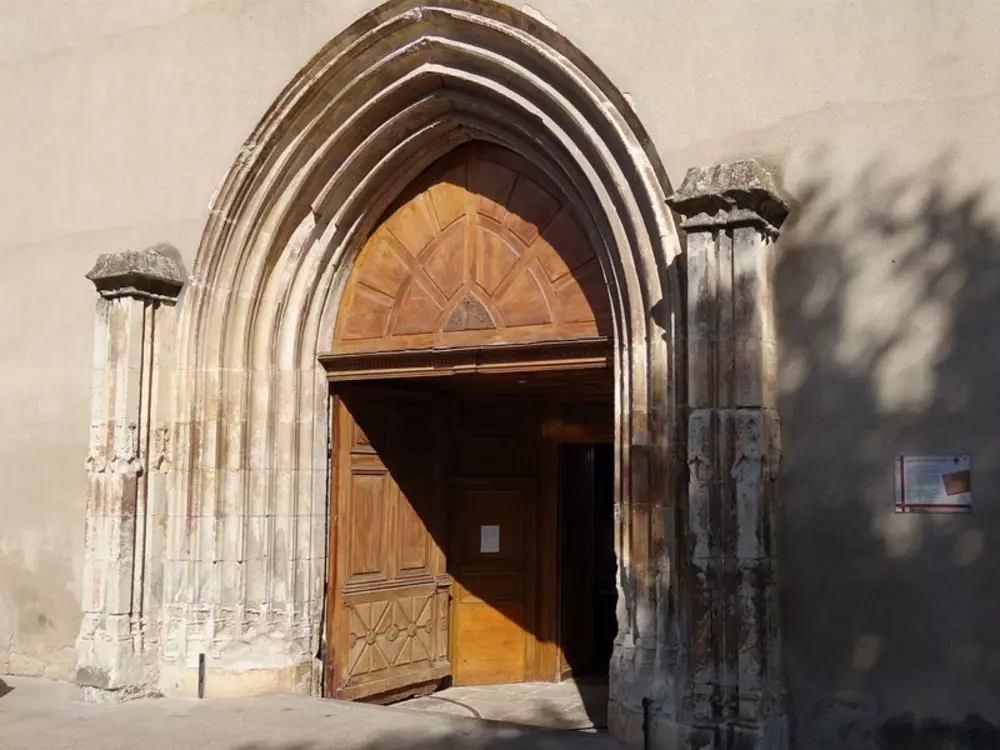
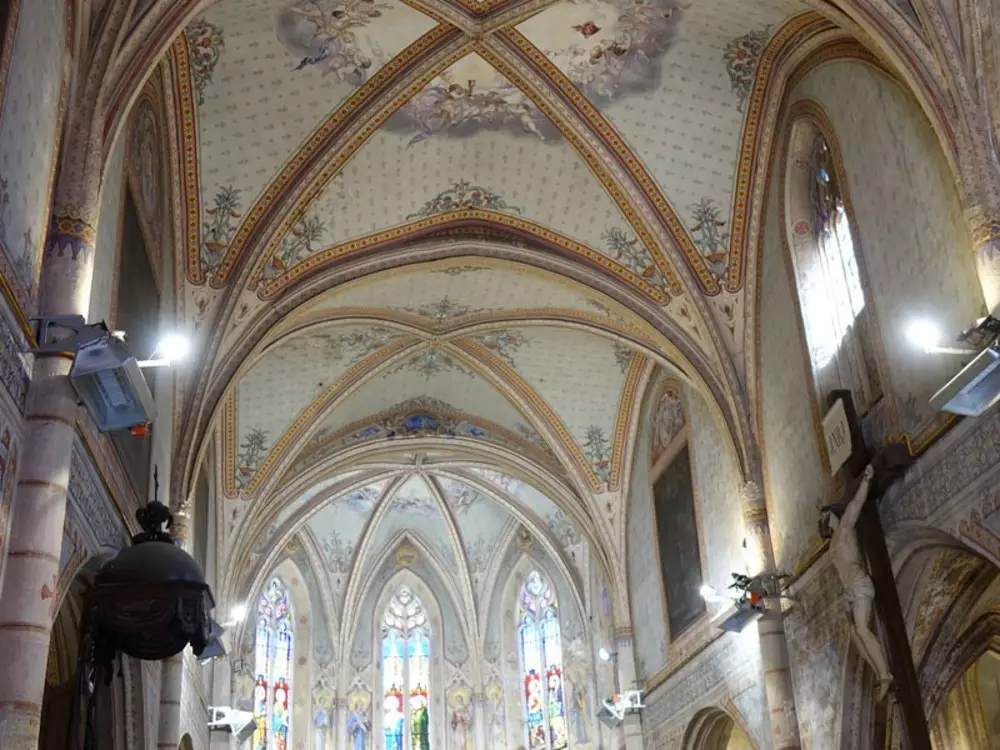
The parish church of Le Luc, Notre-Dame du Mont-Carmel, holds a secret beneath its floor tiles: two escape hatches connect it directly to an underground spring. In a village born of its springs, this comes as no surprise. It all began in 1360, when the will of the nobleman Jacques de Camarat provided for the founding of a Carmelite convent; its chapel was consecrated in 1391. The current church replaced it at the turn of the 15th and 16th centuries; a pillar in the transept still bears the date 1515. Built in the Provençal Gothic style with three naves and ribbed vaults, it houses beautiful works of art, including an Empire-style organ and a magnificent pulpit carved from walnut. Abandoned by the Carmelites at the end of the 18th century, it became a parish church in 1789, was reinforced around 1830, and was designated a Historic Monument in 1926.
- A fortified church: Archival records indicate that the building was fortified in the late 16th century—and local lore explains why. Some legends recount that in April 1590, women, children, and the elderly who had taken refuge in the church were massacred there by the Catholic League forces of Baron d’Ampus. The church is said to have remained closed for two years.
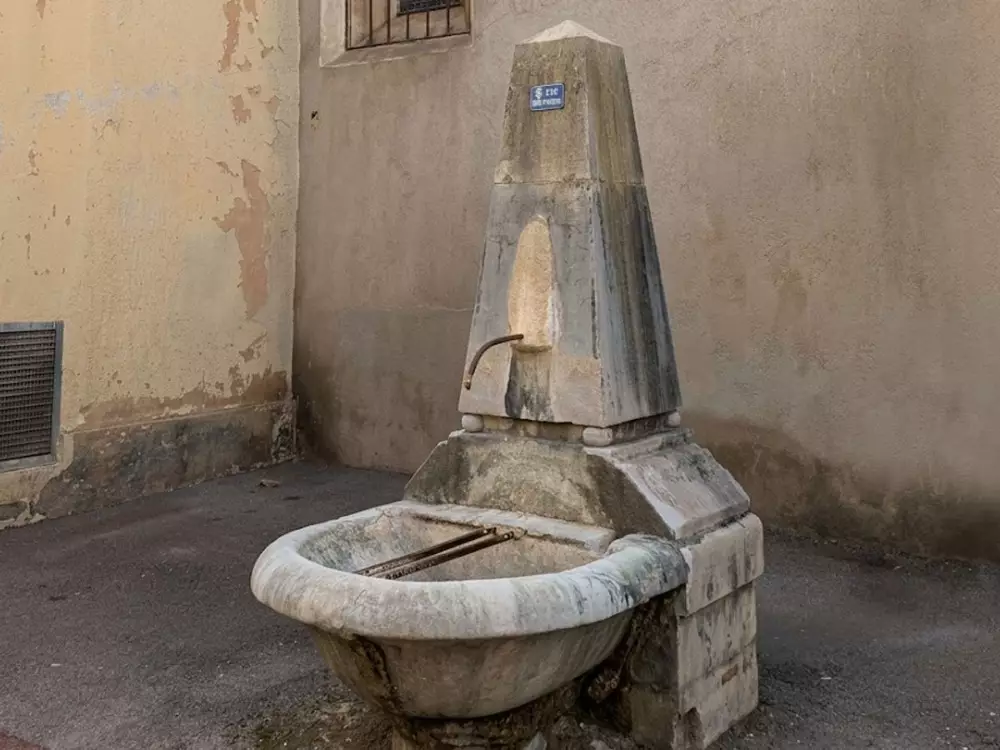
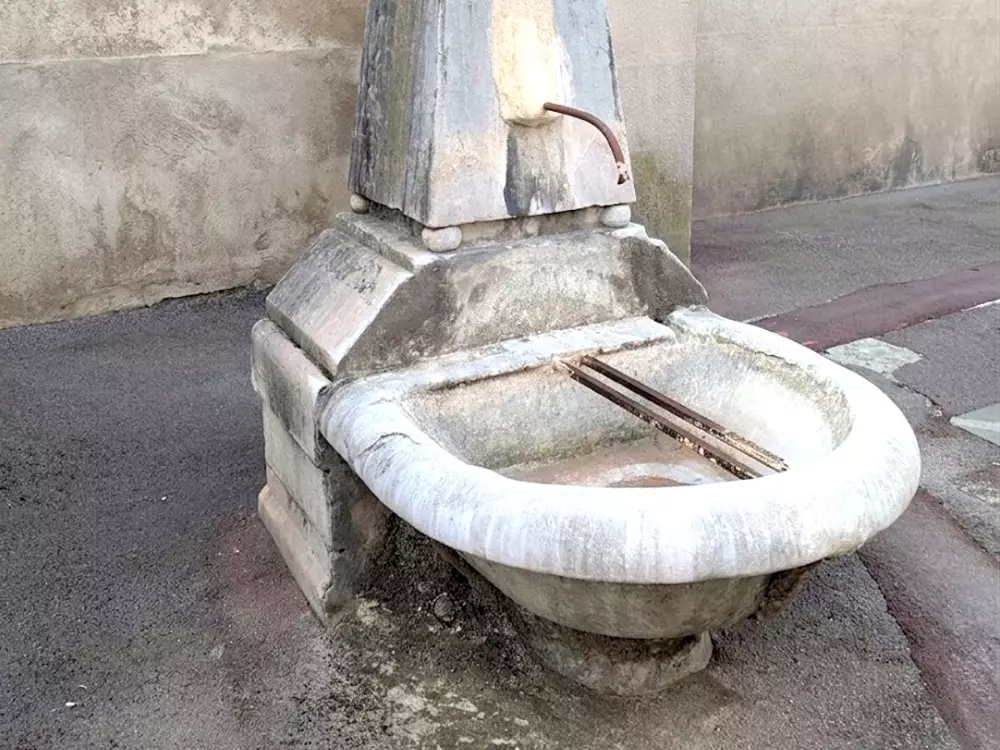
- The 100-Franc Fountain: At the exit of the Passage Brunet stood a fountain erected in 1826 thanks to donations. Its nickname? The exact amount it had cost. Dismantled in 1953, it lent its name to the bookstore that stood there at the time—a place some residents of Luc still remember: “La Fouant,” which means “the fountain” in Provençal.
- El Pinter: The murals adorning the vault were painted during the campaigns of 1898 and 1902 by a painter from Monaco, Daniel de Chiffe, better known by his nickname: El Pinter.