Their story.
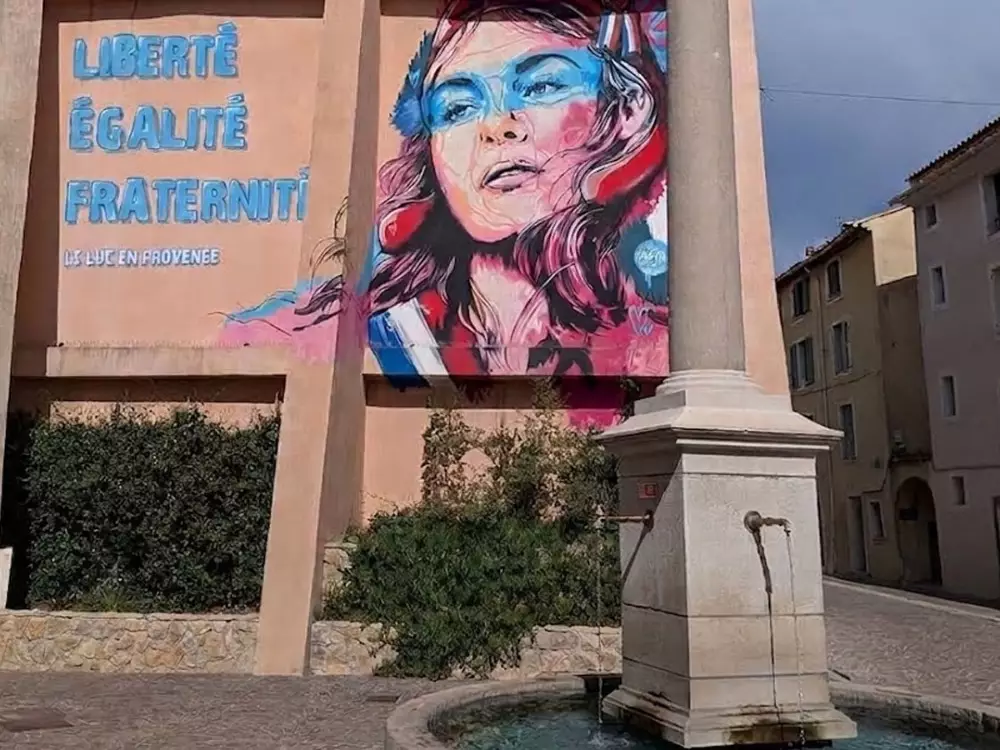
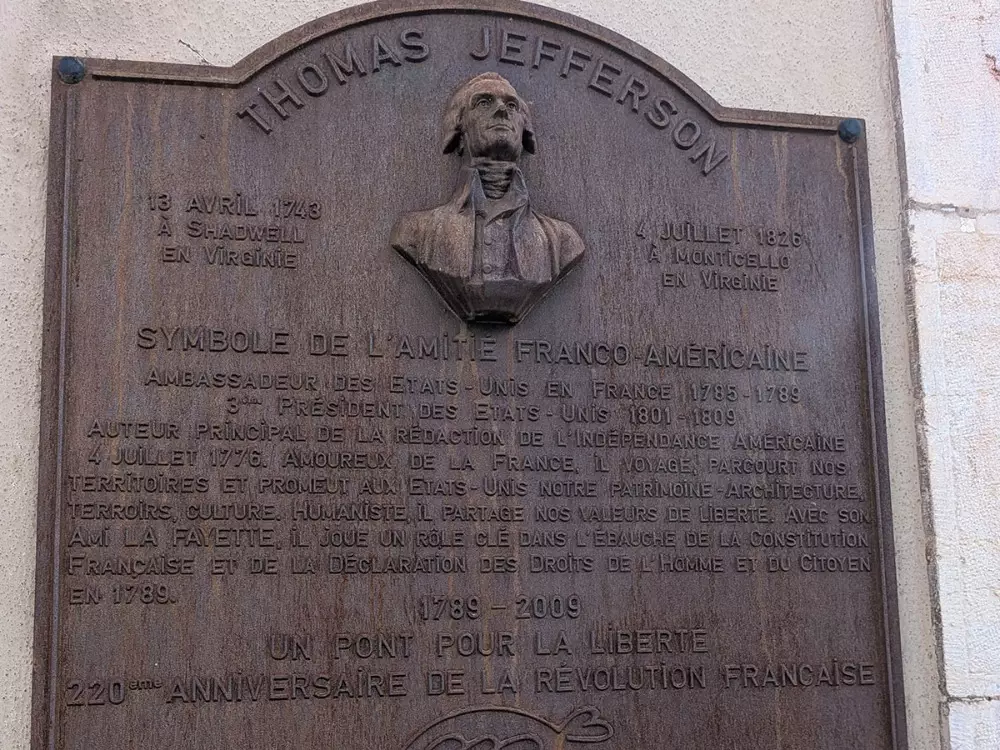
Le Luc-en-Provence: Jefferson Crossroads, a reminder of a visiting president. A cast-iron plaque affixed to the hospital on Route de Cabasse commemorates the fact that the third president of the United States visited Le Luc—twice, in fact.
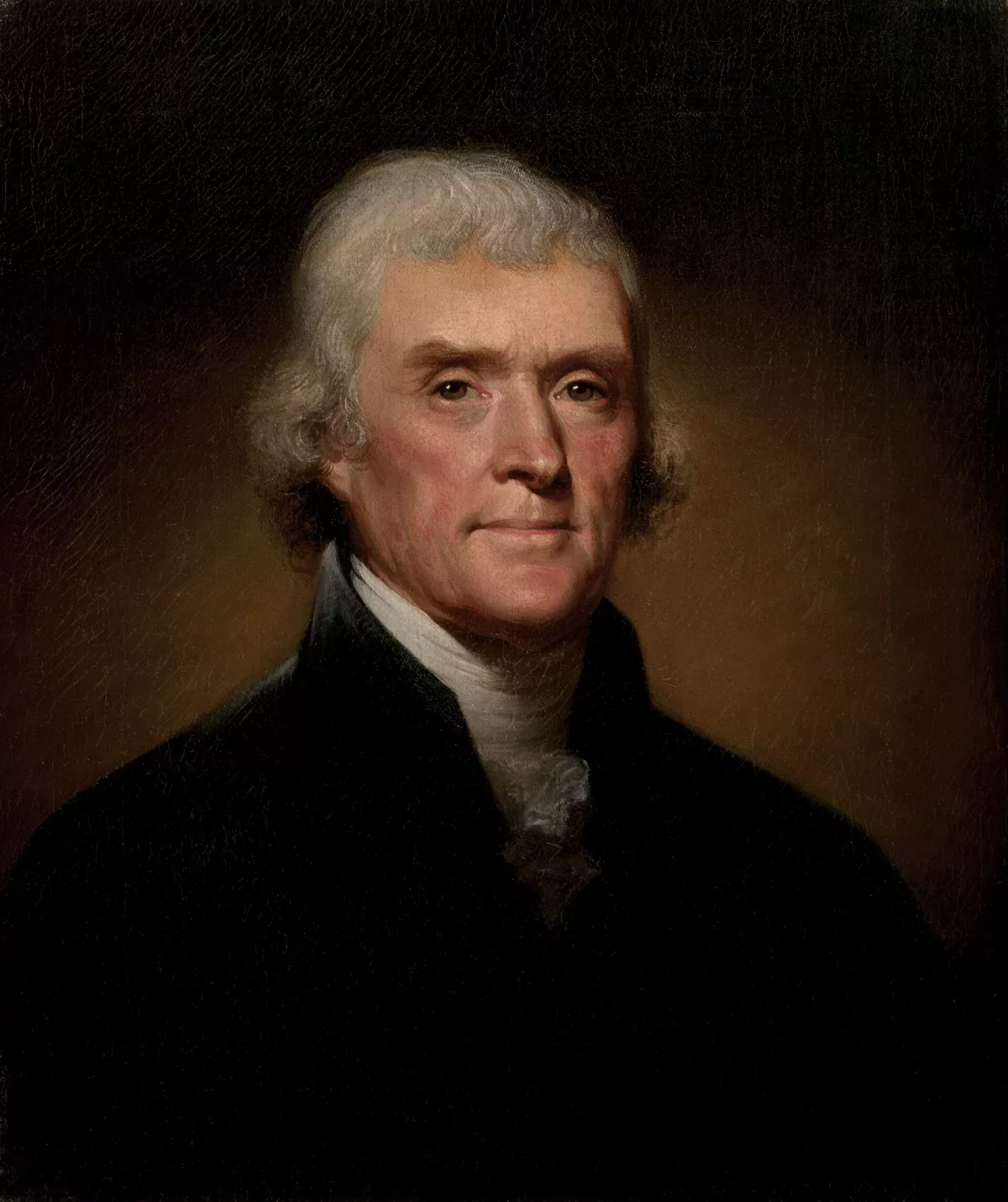
In the spring of 1787, Thomas Jefferson (1743–1826), then Minister Plenipotentiary of the United States to France, undertook a three-month journey through the Midi and Northern Italy. His journals show that he passed through Le Luc on April 9, en route to Vidauban, Le Muy, and Fréjus, and again on May 3, on his way back to Brignoles and Aix. Throughout the journey, this lawyer, diplomat, and passionate agronomist recorded his observations on the soil, grapevines, olive trees, and Mediterranean agricultural techniques. The plaque itself dates from 2009: on the occasion of the 220th anniversary of the French Revolution, the association “Les Ponts du cœur” proposed to the 37 French towns where Jefferson stopped that they install one, under the patronage of the French Commission for UNESCO and with the support of the U.S. Embassy.
- Pockets Full of Rice: Between his two visits to Le Luc, Jefferson stayed in Piedmont, where the local rice intrigued him. “Exporting it is forbidden on pain of death,” he wrote. Never mind: he stuffed his pockets full of it and bribed a mule driver to smuggle out more, hoping to acclimatize it in South Carolina.
- A President and Wine Connoisseur: Passionate about viticulture, he took advantage of his travels to study French wines, their grape varieties, and their winemaking methods, eventually becoming the first great American connoisseur in the field.
- A hand-drawn campus: He was the founder of the University of Virginia, for which he drew the plans and championed the educational vision—a source of pride he had inscribed on his tomb, unlike his presidency.