Avenue André Morizet
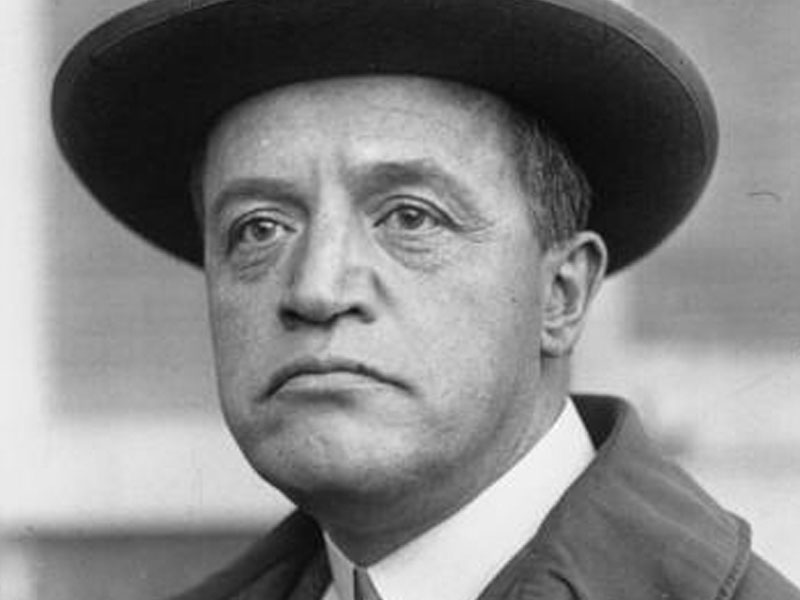
André MORIZET - Politician
1876 - 1942
A law student, active in university socialist groups, he became a civil servant at the Paris City Hall in 1900 and contributed to the newspaper L'Humanité, which he joined at the end of 1906. He was the mayor of Boulogne from December 19, 1919 until his dismissal by the government on July 22, 1922 for an article on the wine growers' strikes in the south of France. He became mayor again, and it was during his term of office that the city took the name Boulogne-Billancourt, in 1925; he also built a new city hall. A founding member of the French Communist Party, he was hostile to the XXII Moscow Condition, which forbade membership in the Freemasonry of which he was a member (Grand Orient de France). Elected general councilor in 1925, he resigned two years later, when he was elected senator on January 9, 1927. He was re-elected on January 14, 1936. He was the author of a law against industrial smoke. He also tried to prohibit factories from emitting fumes at times when workers' children were going to or from school. He was absent on July 10, 1940 during the vote of full constituent powers to Philippe Pétain. During the Occupation, he remained mayor of Boulogne-Billancourt until his death in 1942, while being in open opposition to the occupation authorities and the Vichy government. As mayor, André Morizet gave Boulogne-Billancourt its current and modern face. He accompanied the demographic development of his commune and progress by supporting the projects of avant-garde architects and by having them build modernist villas, workers' housing estates, and administrative buildings, including the town hall, on the territory of his constituency. The project he led reflects a concern to improve the working class condition through community services and a confident taste for modernity. His great-granddaughter, Nathalie Kosciusko-Morizet, daughter of the former, is a former French politician.