
Tour abbatiale - Musée
Grand'place
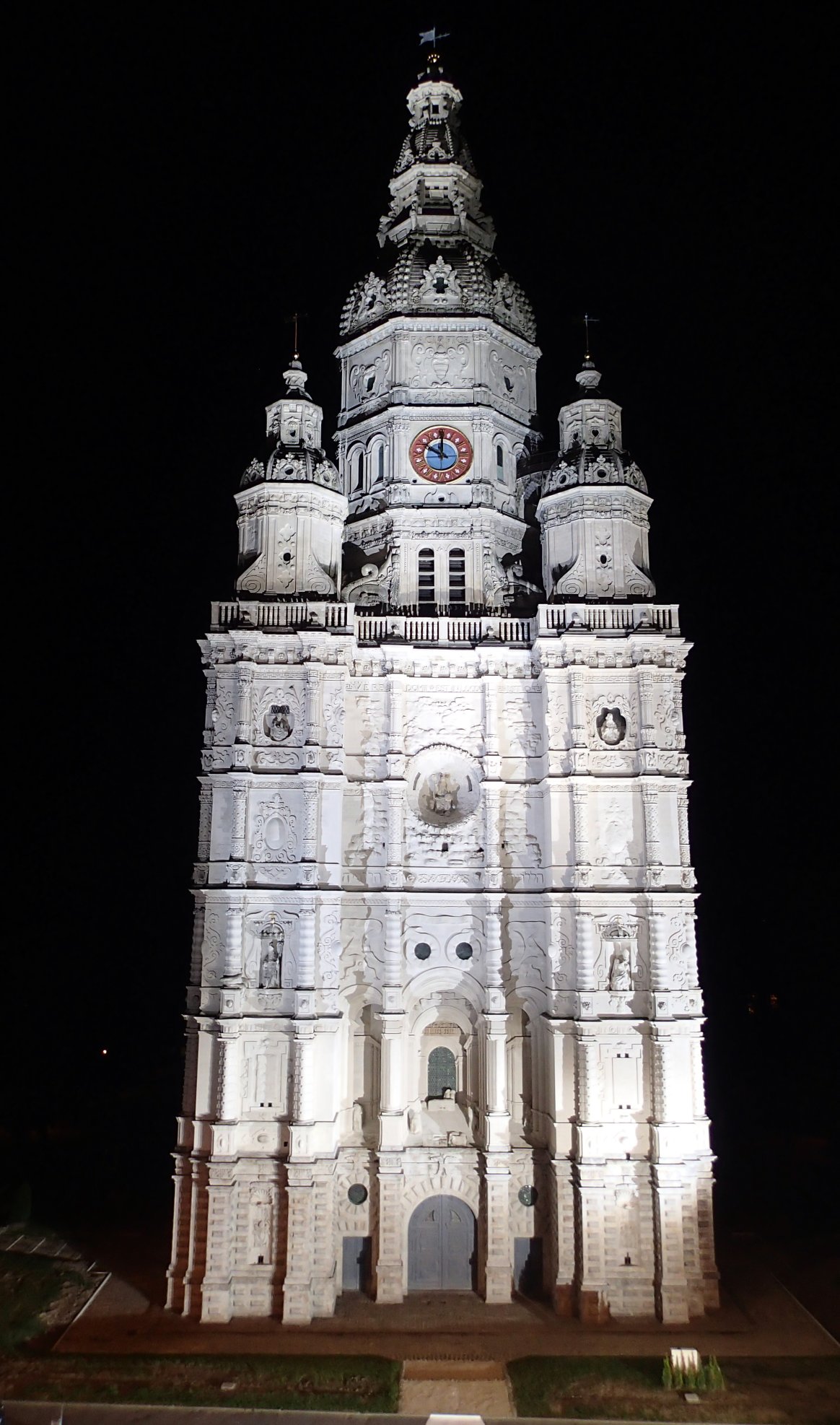
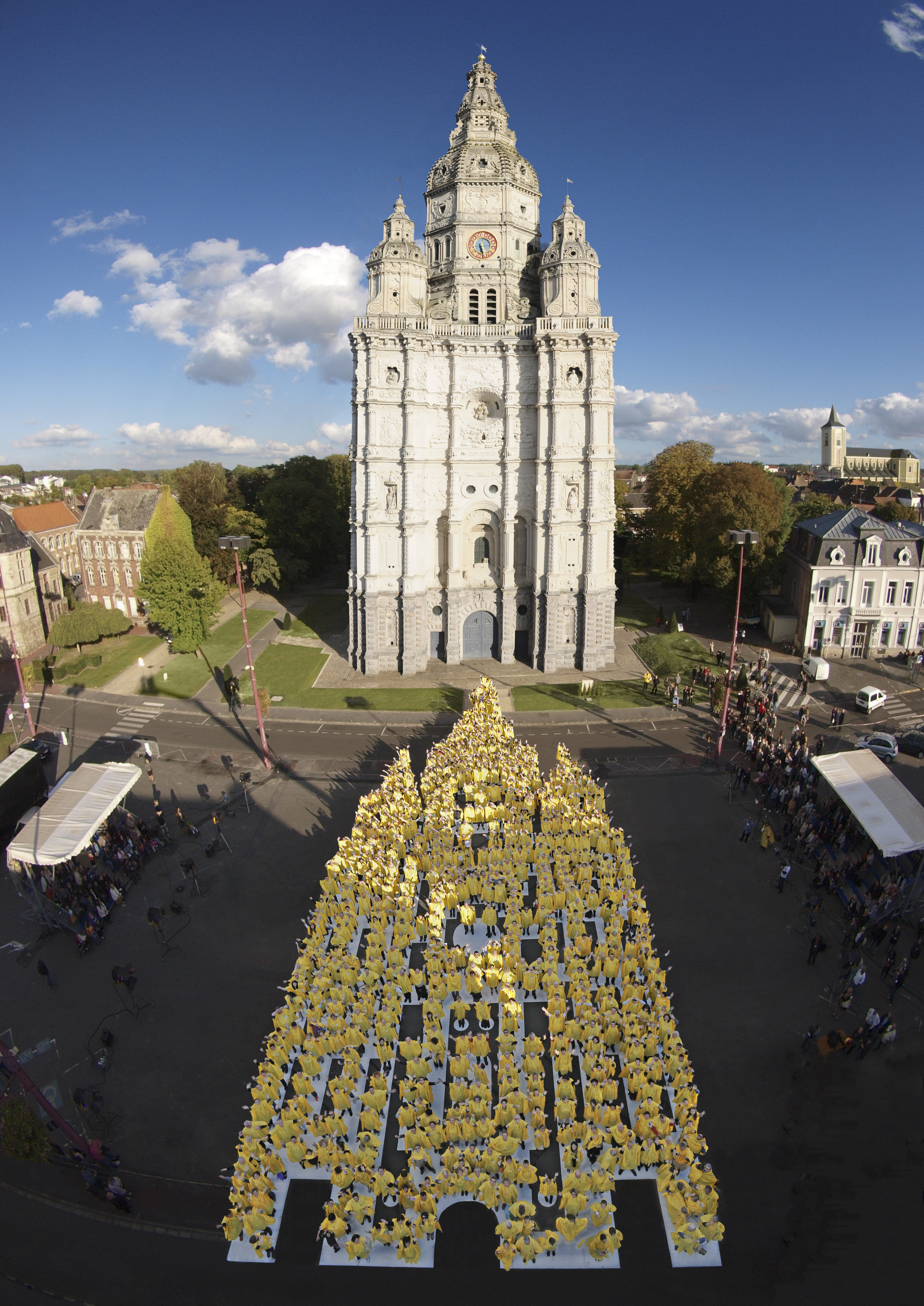
Classified as a Historic Monument since 1846, the tower once served as the porch of the former abbey church of Saint-Amand. This western massif built in 1626 and 1640, under the direction of the 76th abbot Nicolas Dubois, presents with its two lesser-raised turrets, an imposing mass that reaches 82 meters high. Its singular architecture belongs to the Counter-Reformation movement of the 17th century, which followed the separation of the Protestant and Catholic provinces of the Netherlands. It is composed of a rich sculptural decoration and superposition of architectural orders: Tuscan, Doric, Ionic, Corinthian, composite.the abbey, with the exception of the Tower and the Echevinage, was destroyed during the French Revolution and transformed into a stone quarry. Since 1810, numerous restoration operations have been carried out on the monument. The last large-scale work, which lasted from 2004 to 2012, allows us to imagine what the splendor and influence of the abbey were in the 17th and 18th centuries. the Tower, a cultural and tourist monument, offers a remarkable setting for the municipal museum created in 1950. Built around the 18th and 19th century amandinois faunas and the municipal collections dedicated to the abbey and its history, the museum is a unique place to visit; the museum has also been enriched in the fields of contemporary ceramics and the art of the Southern Netherlands in the 17th and 18th centuries. On the first floor, the permanent collections will be presented, including contemporary ceramics in a new layout to be completed in 2021. The Lannoy room on the ground floor will host temporary exhibitions and animations on various themes: calligraphy, painting, sculpture, etc. During a walk in the public garden, one can still hear the 48 bells of the amandinois carillon ringing at the top of the Tower since the 18th century. The city also organizes a festival of bell art and carillon lessons at its music school: enough to keep this beautiful local tradition alive for a long time! The excavations conducted in 2019 by the Institut National de Recherches Archéologiques Préventives, during the renovation of the Grand’ Place, have brought to light some stone foundations attributed à the home of Rozala of Italy. Also known as Queen Susanna, she was briefly the wife of the Frankish king Robert the Pious and lived in Saint-Amand around the year 1000.