Their story.
The Hexagonal Tower of Le Luc-en-Provence: A majestic witness to the past
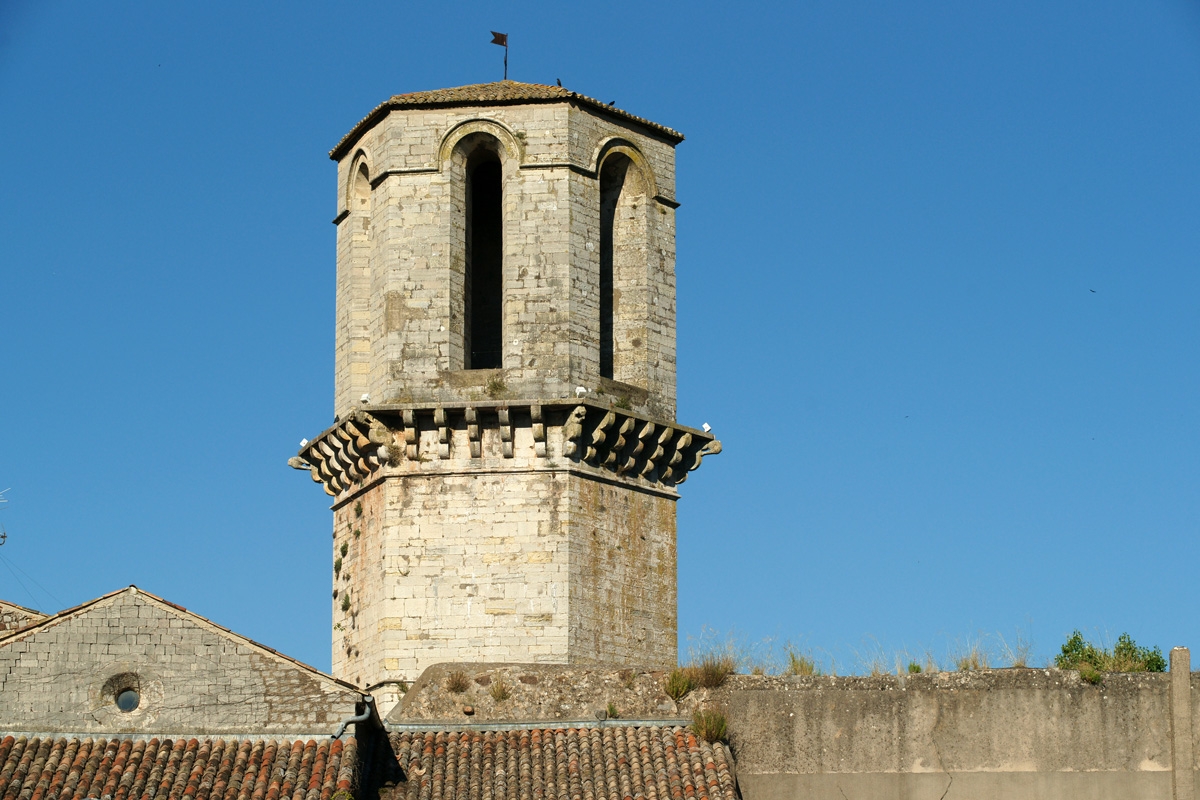
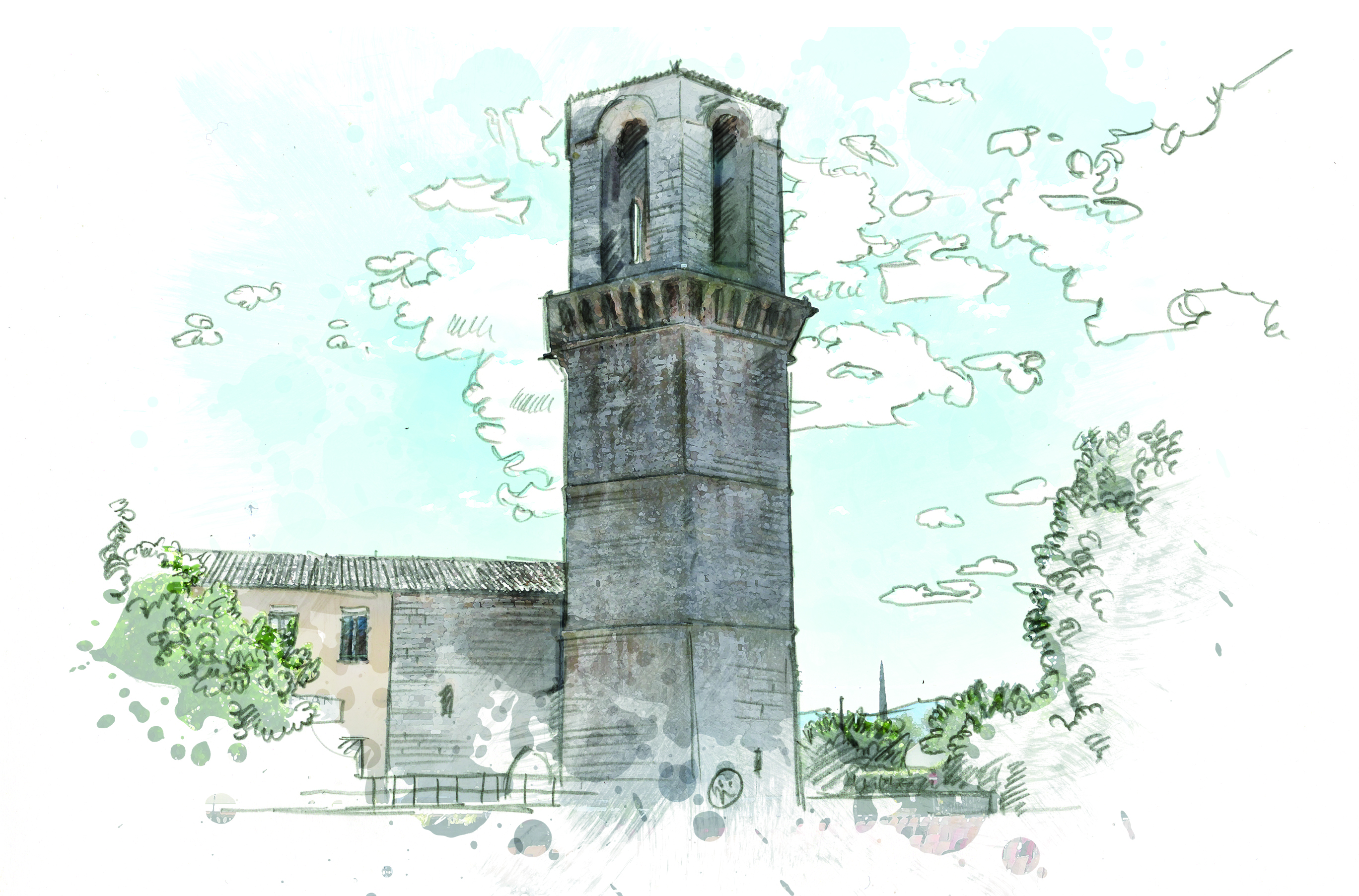
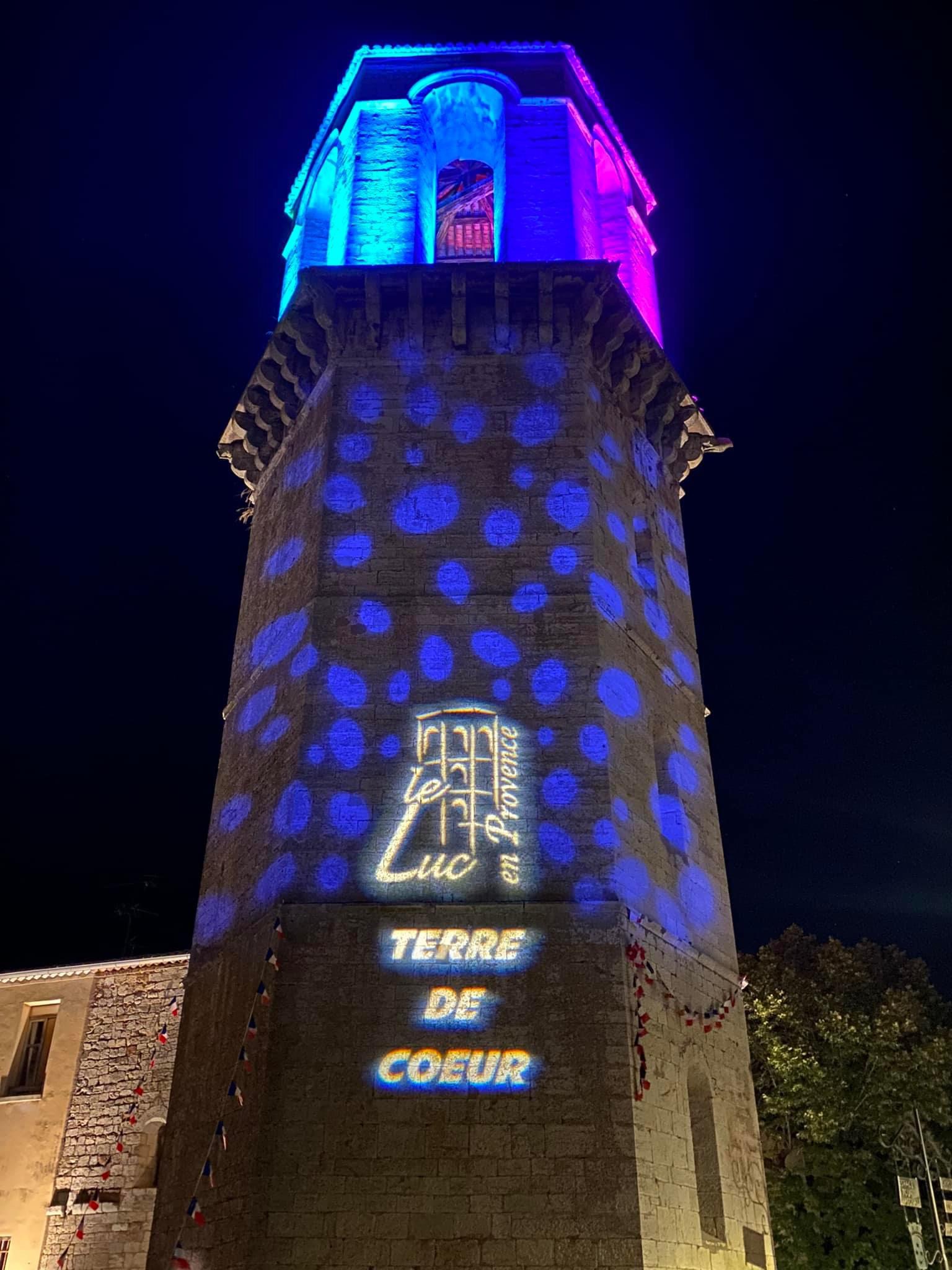
Dominating the town for centuries, the Hexagonal Tower of Le Luc-en-Provence is an architectural gem built between 1517 and 1546 by Brignoles-based contractor Sieur Caron. Standing 27 metres high, this imposing structure came into being at a time of conflict between François I and Charles V, setting its history in the tumult of the Renaissance.
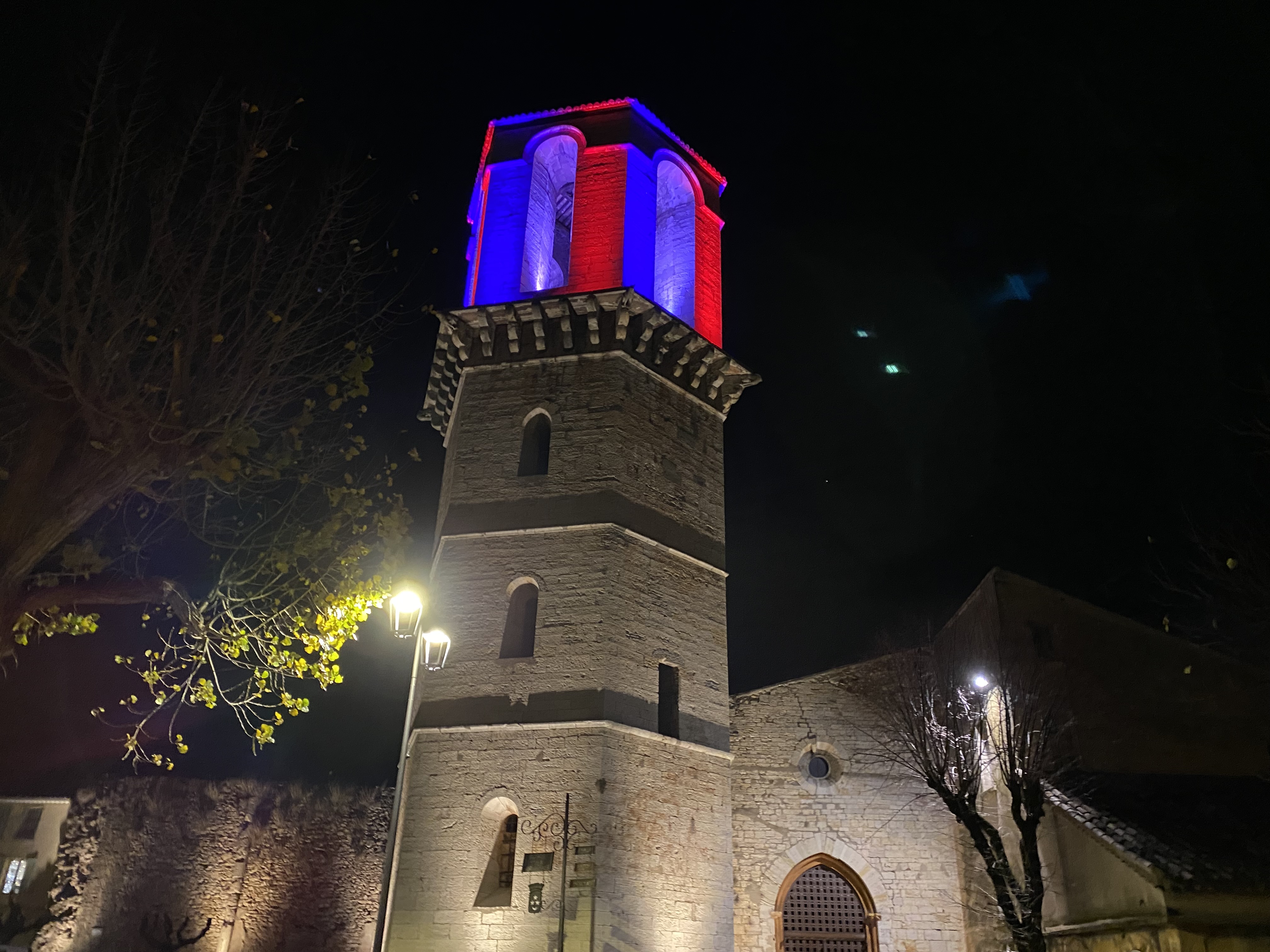
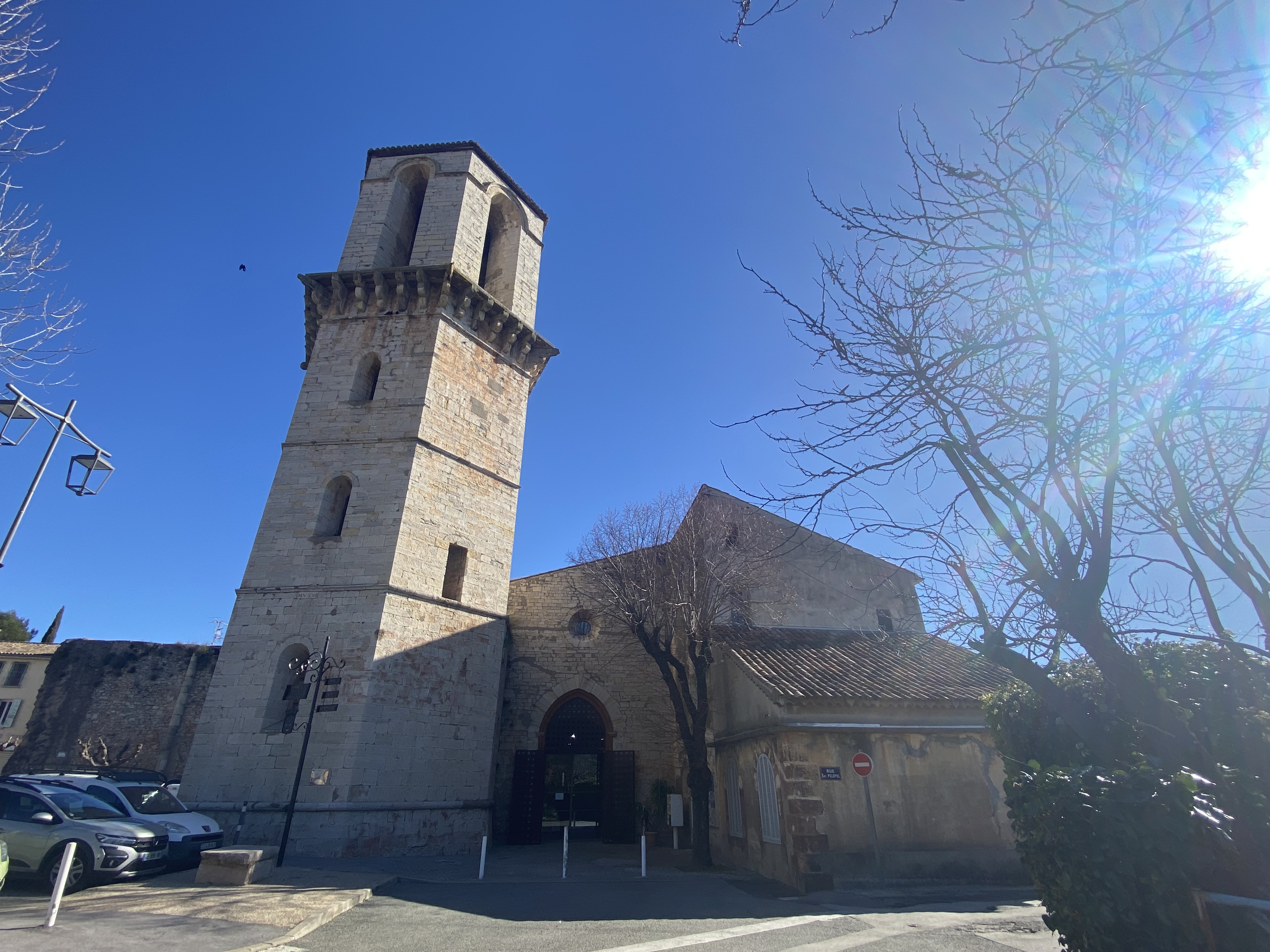
Late Gothic in style, the tower is composed of three identical storeys linked by an internal staircase. At the top, six narrow round-headed windows offer a breathtaking view of the surrounding countryside. Inspired by Italian architecture and the fashion for campaniles, it was originally built as a bell tower for the now-defunct church of Notre-Dame de Nazareth.
Despite the church's demise, the tower retained its function as a campanile (free-standing bell tower), as evidenced by a map dating from 1612 where it already stands out in the urban landscape. On its entablature, the remains of carved gargoyles recall both its ornamental and practical role, allowing rainwater to drain away.
A strategic observation post
In addition to its religious role, the tower also served as a lookout and observation post, offering an ideal surveillance point to protect the commune and its inhabitants. Its dominant position made it an essential landmark and a key element in the town's defensive system.
Nearby, the former Hôtel-Dieu, once a presbytery, is another important vestige of local heritage. Records already mention this cloistered house as far back as the 15th century, forming with the tower a coherent historical ensemble that bears witness to the architectural and social evolution of Le Luc-en-Provence.
The former church of Notre-Dame de Nazareth
The Hexagonal Tower is inseparable from the history of the church of Notre-Dame de Nazareth, of which it was once the bell tower. Built in the 12th century in Romanesque style, the priory served as a parish church for many years. Its portal was rebuilt in 1564 and, in the 17th century, a perpendicular nave was added to enlarge the building, which then took the name of Notre-Dame de Nazareth.
However, the church was demolished in the 19th century, leaving behind only an eastern wall adorned with four engaged columns. It was replaced by the Carmes church, which became the town's new religious center. In 1938, the town council decided to give the priory a new function and renamed it the "Salle Ernest Renan".
A strong symbol of Le Luc-en-Provence
Today, the Tour Hexagonale remains an emblem of Le Luc-en-Provence. A living testimony to the past, it embodies the town's religious, military and architectural history. Its imposing silhouette continues to fascinate visitors and serve as a reminder of the strategic and cultural importance of this Provencal town through the ages.