Their story.
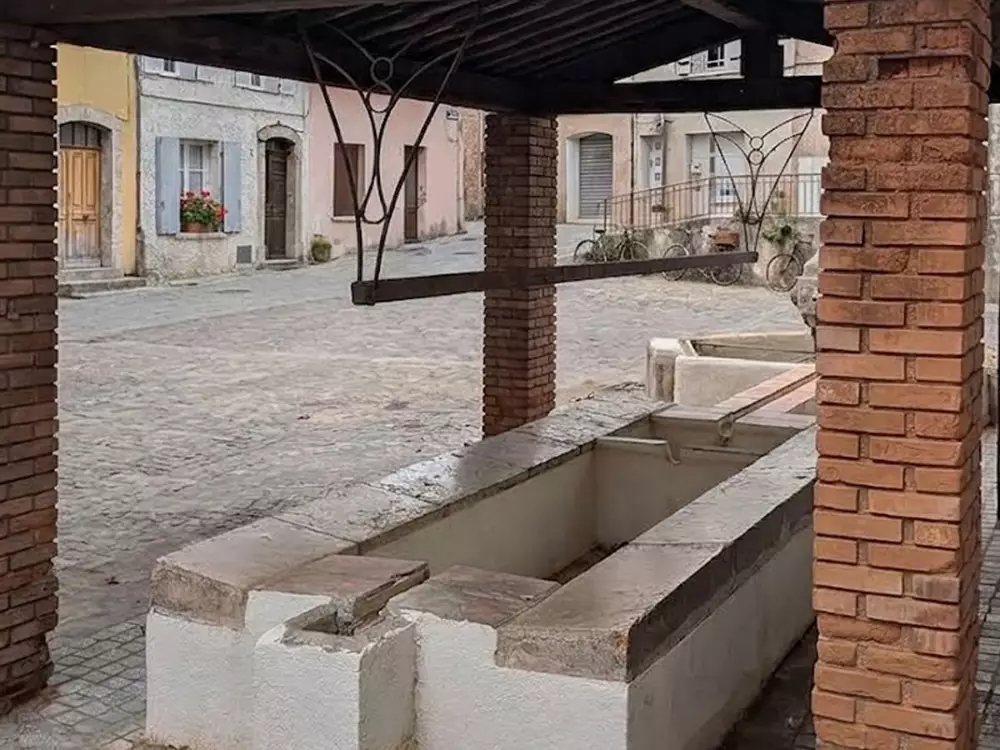
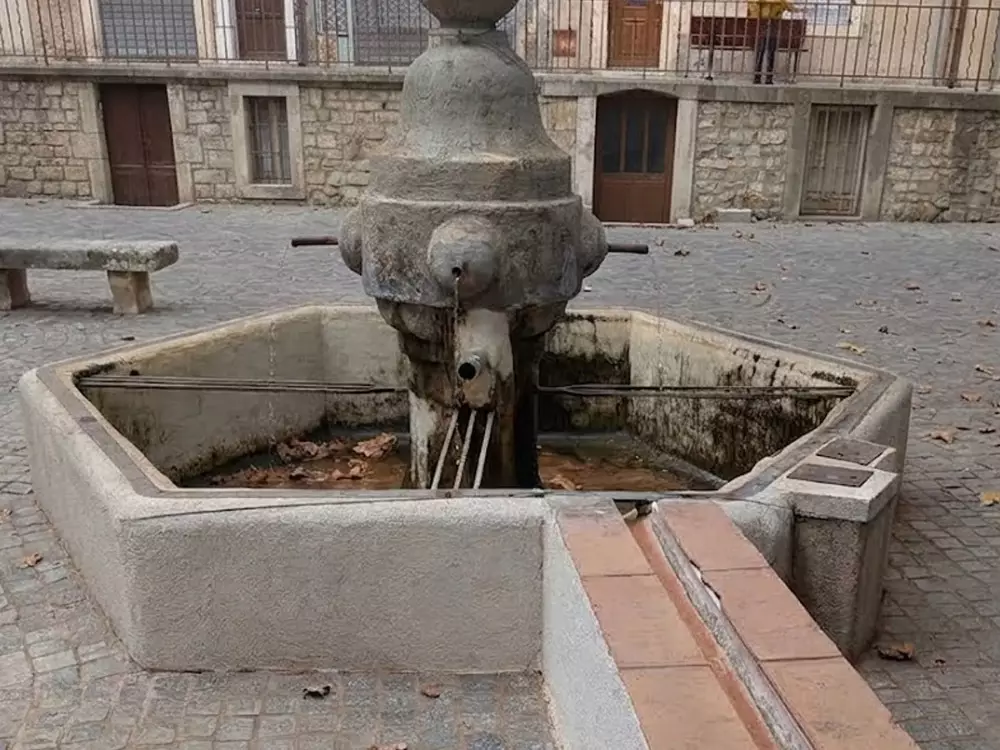
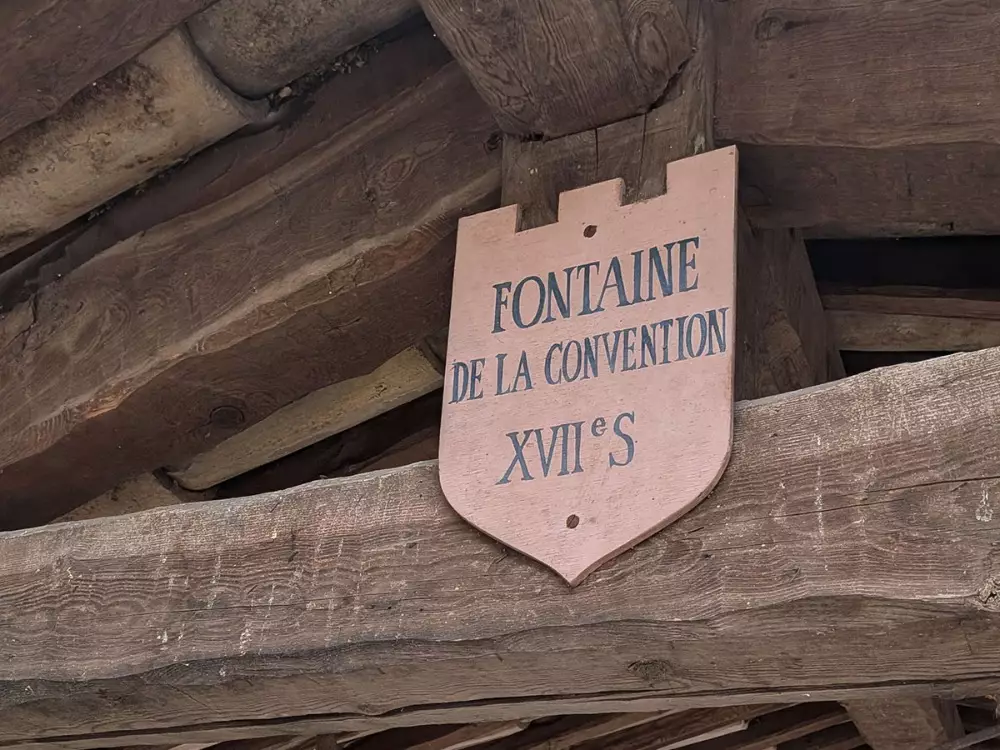
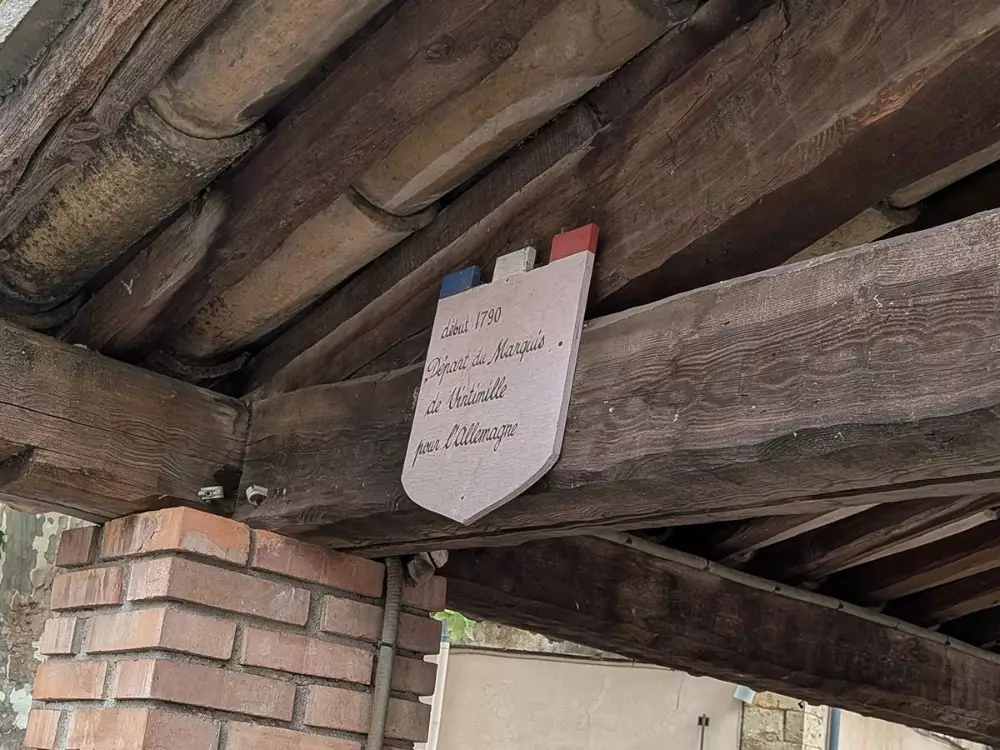
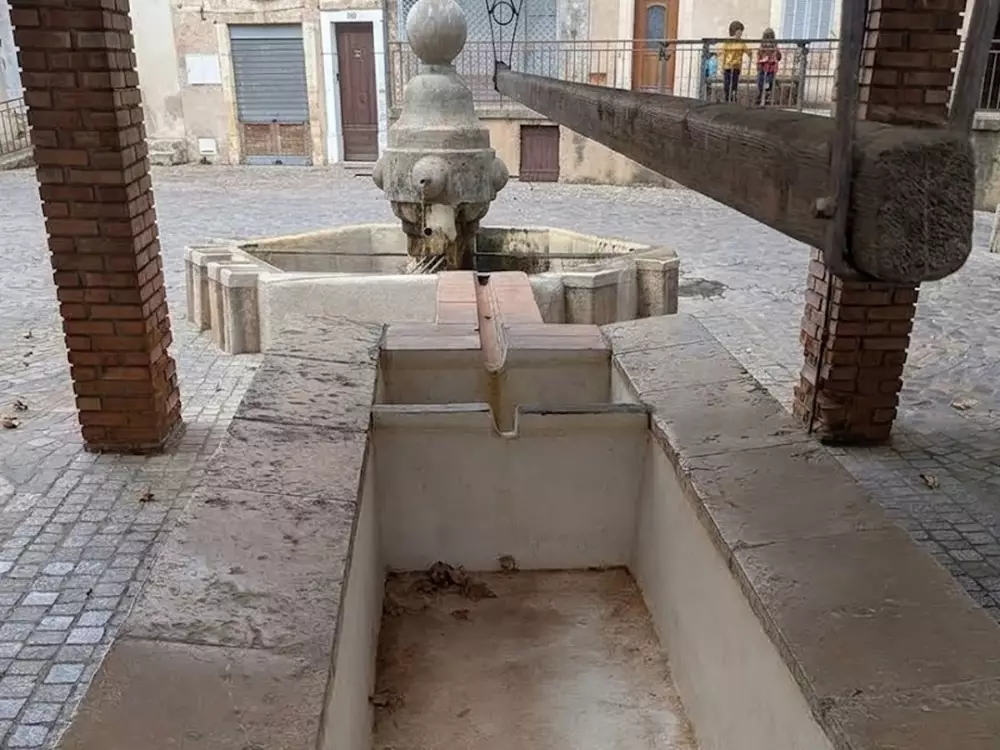
This unassuming square in the old town center served, for nearly two centuries, as the service courtyard of the castle of the Counts of Ventimiglia. The Revolution gave it its name. The castle’s outbuildings, built around 1600 and expanded around 1666, opened onto this square. In the 17th century, an ornate fountain and a washhouse were built here: an irrigation canal ran from this fountain to supply the estate’s garden and ponds. In 1790, the square was the scene of a notable departure—that of the lords of Le Luc and Le Cannet, who left to join the émigré nobles in Germany. On July 14 of that same year, for the Fête de la Fédération, the Altar of the Fatherland was erected in the castle grounds, which had just been vacated by the Marquis de Vintimille.
- A “Half-Louis” in Le Luc: The Marquis of Le Luc, Charles de Vintimille (1741–1814), was officially the son of the Marquis Jean-Baptiste de Vintimille. At court, he was nicknamed “Demi-Louis”: his resemblance to Louis XV, the lover of his mother Pauline Félicité de Mailly-Nesle, left little doubt as to his true parentage.
- The gardener of Versailles had a hand in this: According to the heritage inventory, the castle’s gardens were designed based on the plans of André Le Nôtre, the creator of the gardens at Versailles.
- From noble estate to public school: Sold as national property during the Revolution, the château housed a school and a chapel in the 19th century. Today, its restored north wing is home to a museum.