Their story.
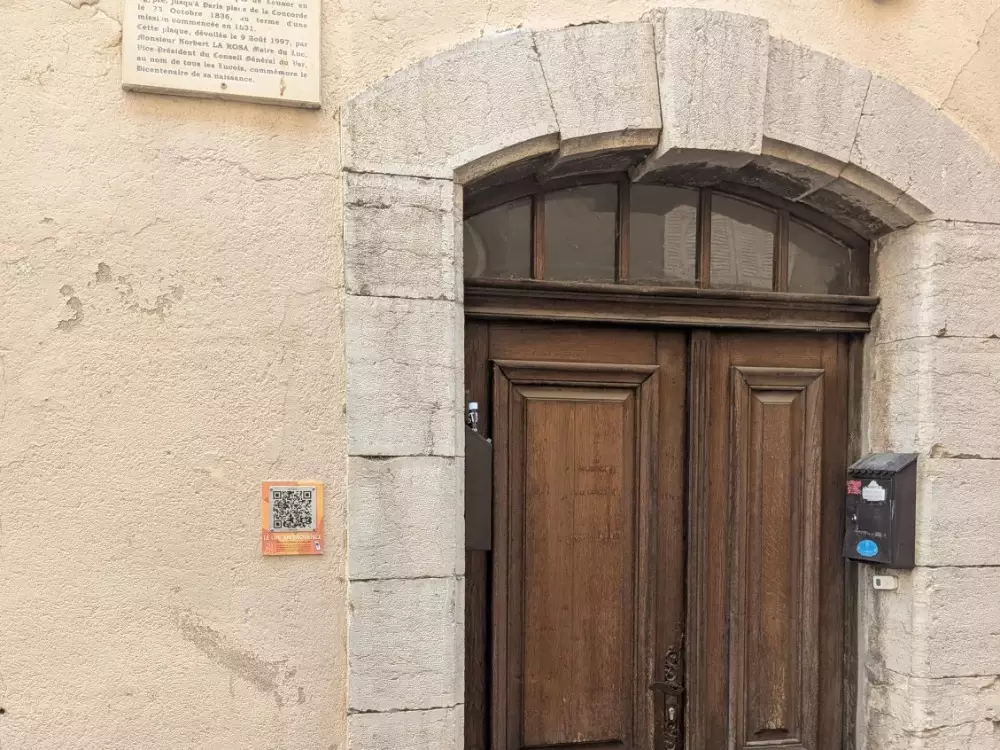
Le Luc-en-Provence: the Lebas house, home of an obelisk builder. Behind the unassuming facade of a village house in the historic center lies the name of a family from Le Luc and that of the man who erected the Luxor Obelisk on Place de la Concorde.
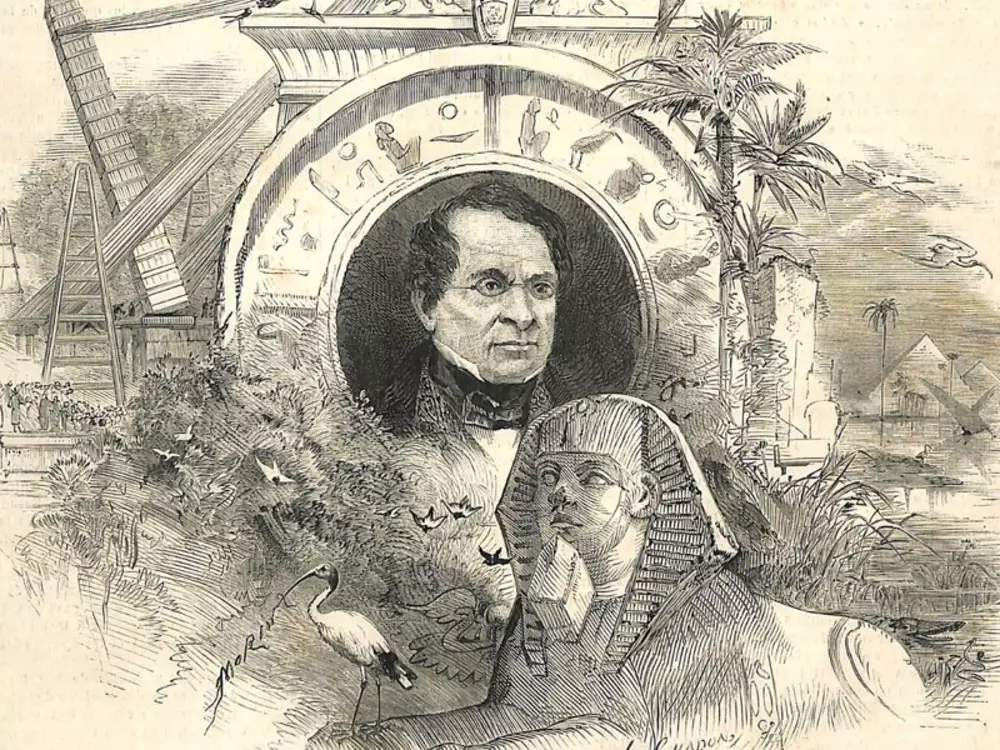
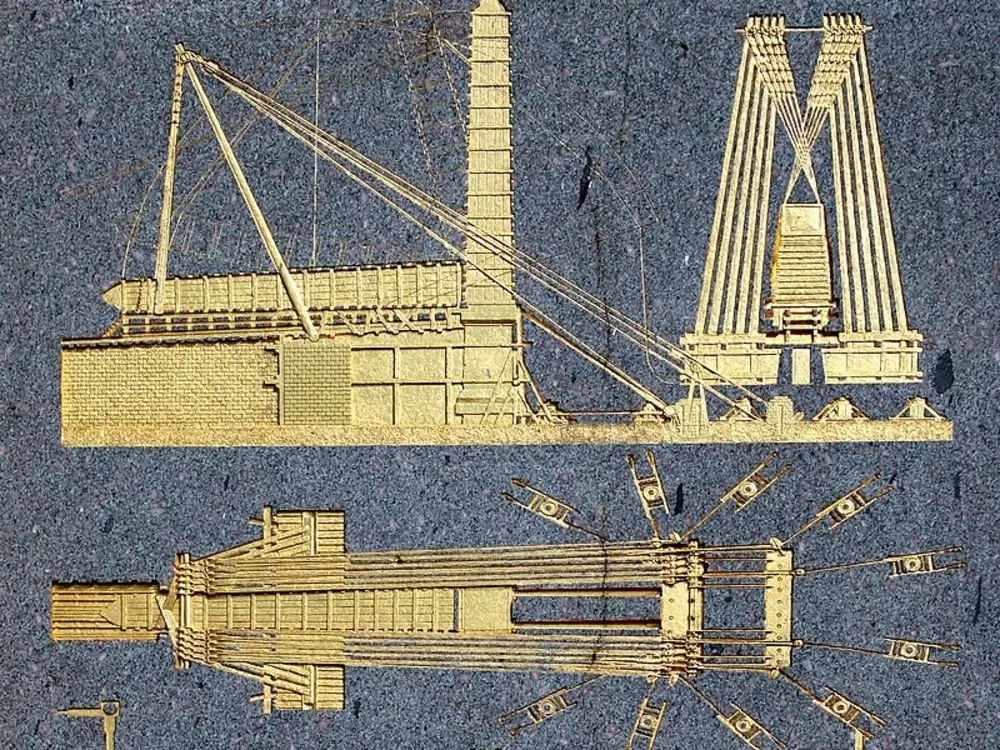
Like many homes in the old village, the Lebas House is a fine example of traditional Provençal architecture: an unostentatious façade, colored stucco, and windows designed for the Mediterranean climate. It bears the name of the family of Jean-Baptiste Apollinaire Lebas, who was born in Le Luc on August 13, 1797. A graduate of the École Polytechnique who went on to become a naval engineer, he was tasked with one of the most spectacular undertakings of the 19th century: bringing the Luxor Obelisk back from Egypt. He oversaw the dismantling of the monolith in Thebes, its loading, its transport across the sea, and finally its erection on October 25, 1836, in the presence of Louis-Philippe, using a system of counterweights and 350 artillerymen. In 2025, the town paid tribute to him by installing a replica of the obelisk in the center of the renovated Place de la Liberté.
- A custom-built ship: No existing vessel was suitable: Lebas designed the Louxor, built in Toulon, whose dimensions were calculated to navigate the Seine and pass under its bridges. Five years would pass between its departure from Toulon in 1831 and its erection in Paris.
- A caricature of glory: Sculptor Jean-Pierre Dantan immortalized him in a humorous statuette depicting him holding the obelisk at arm’s length. Lebas was also a member of Dantan’s circle of “Dominotiers,” a group of domino enthusiasts.
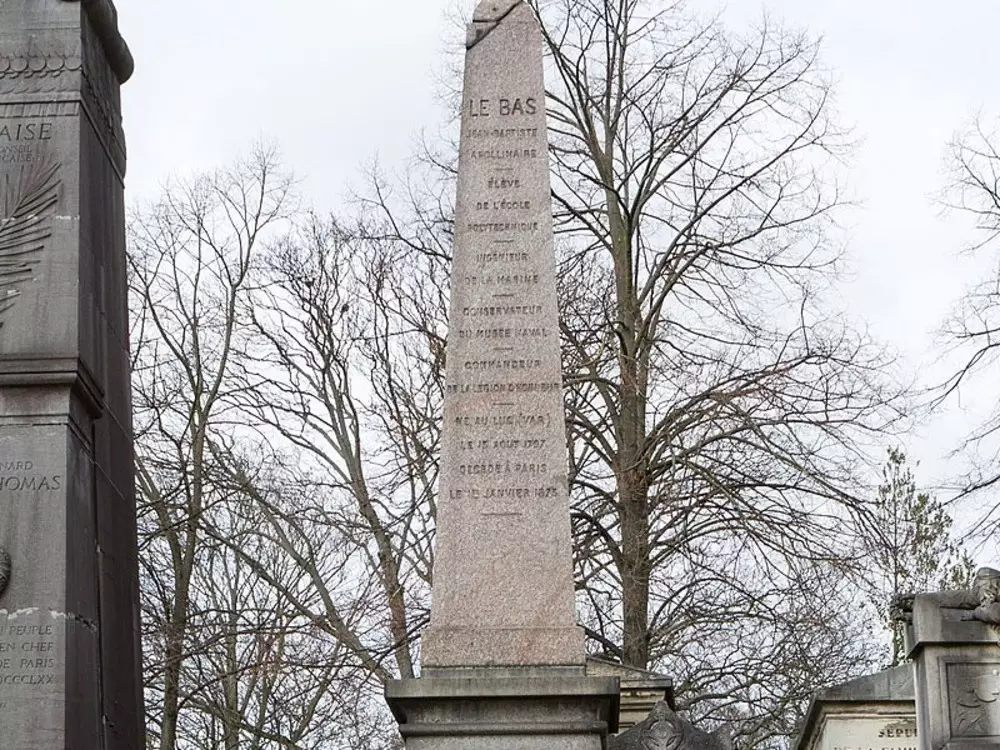
- An Obelisk as a Tomb: After becoming curator of the Naval Museum, he died in 1873 in Paris. He is buried at Père-Lachaise under… a granite obelisk.