Their story.
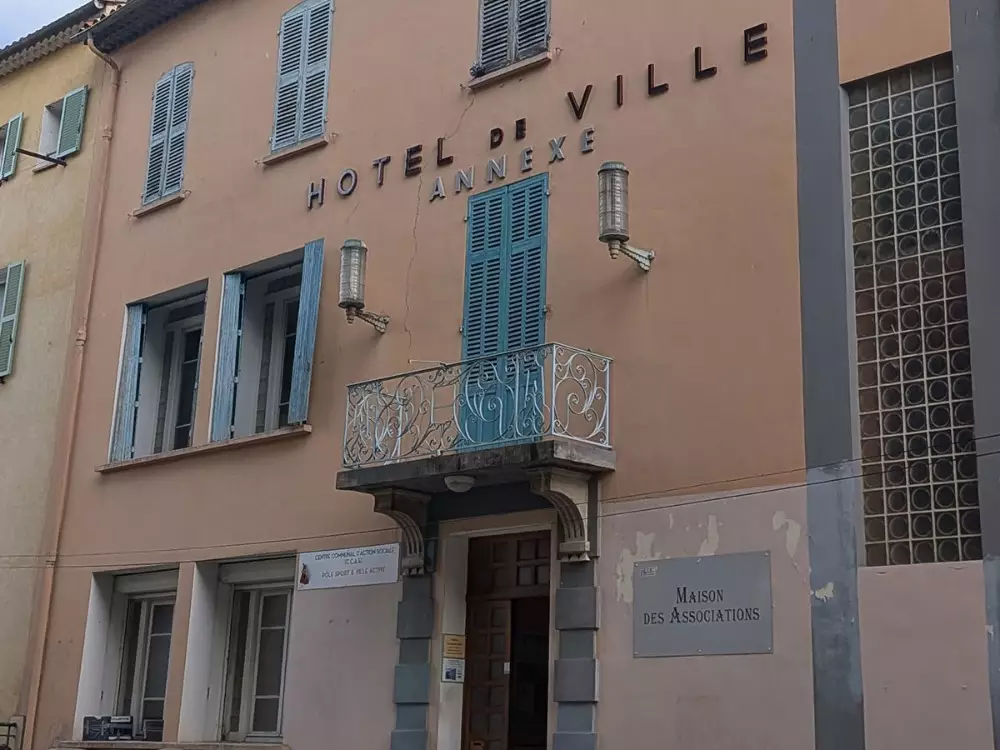
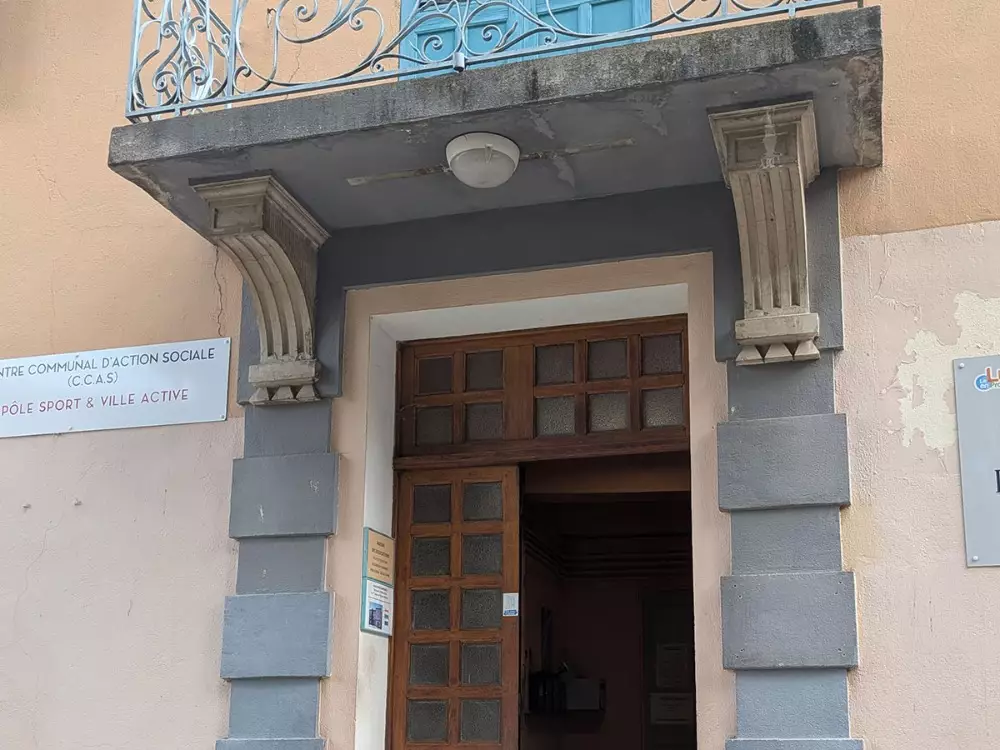
Le Luc-en-Provence: the Maison des Insurgés, where the Republic took up arms. Now serving as a branch town hall, this building in the historic center was home in 1851 to the Société du Ravelet, the “chambrée” from which the resistance in Le Luc to Louis-Napoléon Bonaparte’s coup d’état began.
On December 2, 1851, the Republican Party of Le Luc met in its spacious quarters and decided to take up arms. The insurgents marched on City Hall, then located next to the Clock Tower: they overpowered the gendarmes, roughed up the mayor, and paraded through the streets singing “La Marseillaise.” Flassans, La Garde-Freinet, Brignoles, and many others joined the movement, which converged on Lorgues and then Aups, where many insurgents perished. 355 men were deported to Algeria, and it was not until August 16, 1859, that Napoleon III pardoned the political prisoners.
- A café that became a club: The dormitory was not a command post but a living space: almost every evening, to drink wine, play cards or dice, or discuss work or politics, farmhands would gather with shopkeepers, workshop workers, laborers, and members of the bourgeoisie. It was from this daily social interaction—and not from a conspiracy—that the uprising arose.
- A name that comes naturally: The society took its name from “Ravelet,” which in Provençal simply means “the little stream.” In Le Luc, even revolutions are named after bodies of water.
- A return to order… at the municipal level: The Napoleonic land registry of 1834 already locates the house on what is now Place L. Brunet. An irony of history: the building from which the mayor was ousted now houses the city hall annex.