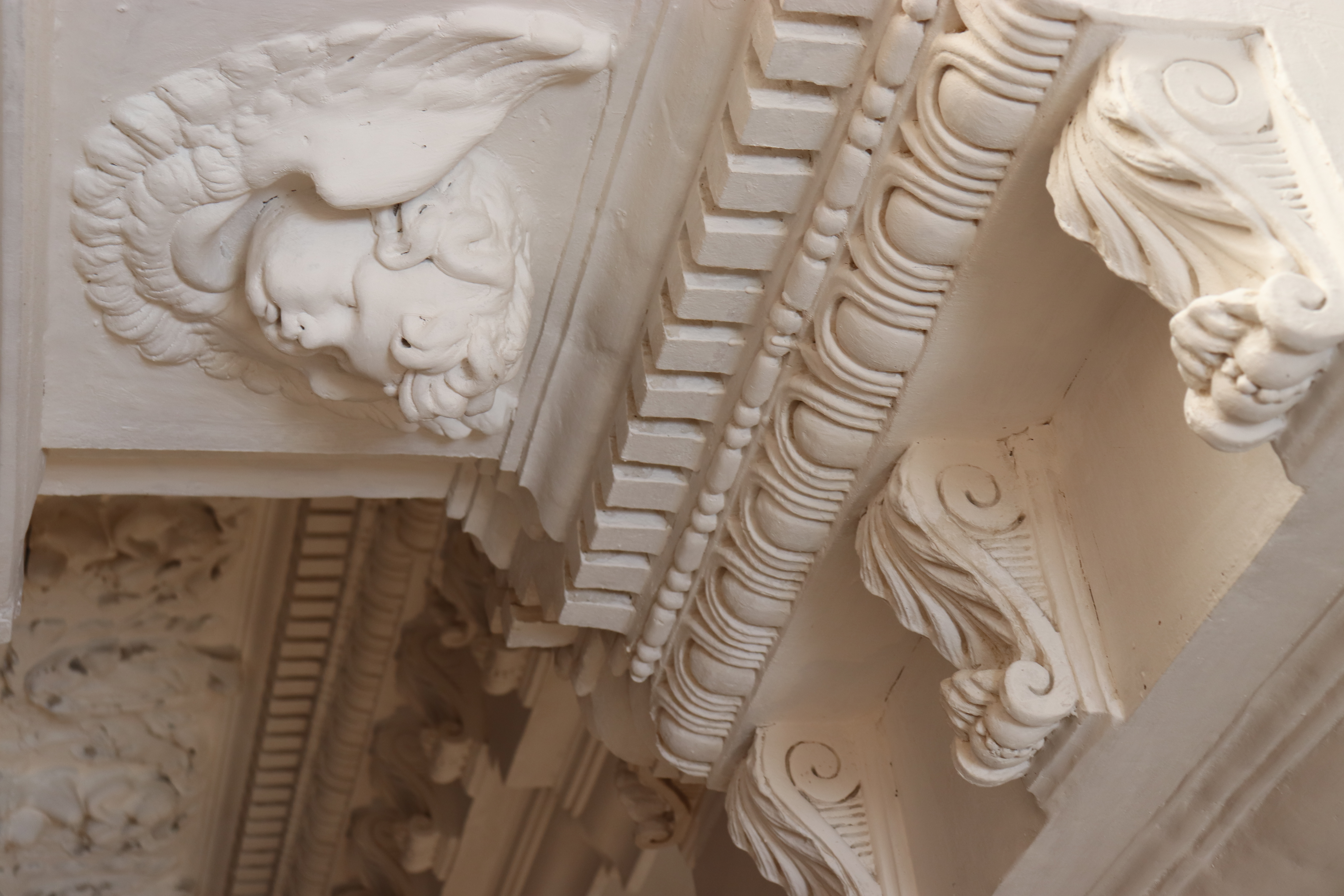
Photos: City of Lambesc
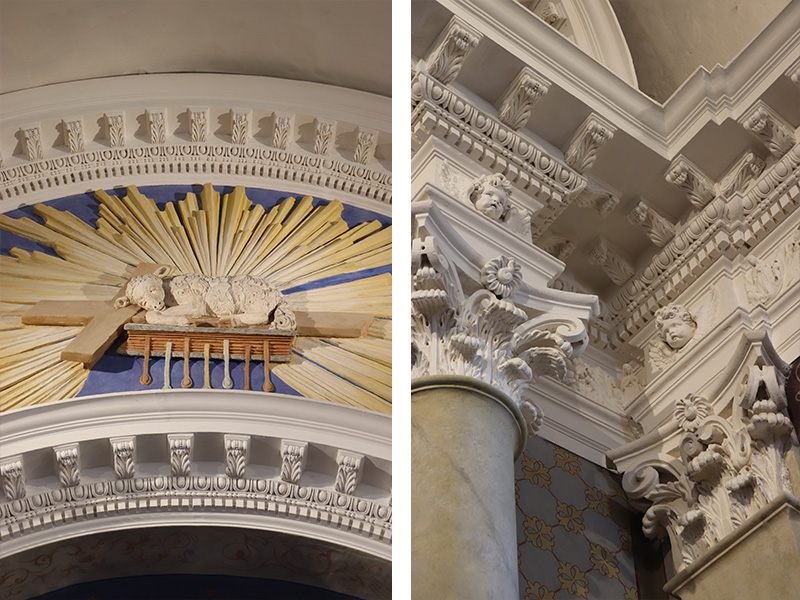
Photos: City of Lambesc
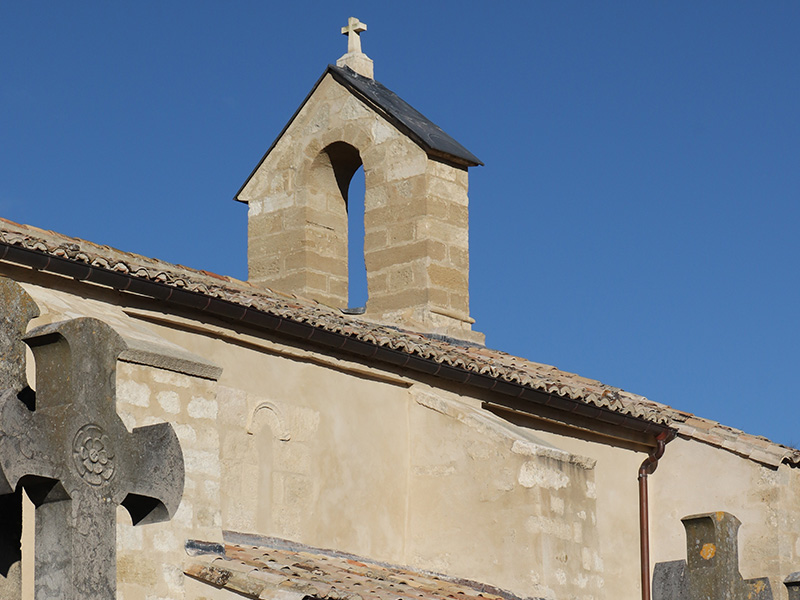
Photos: City of Lambesc
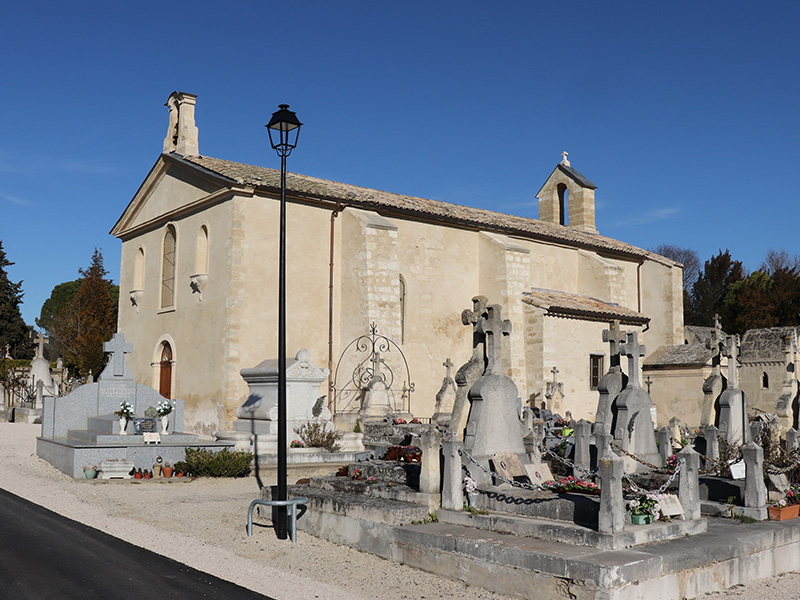
Photos: City of Lambesc
Photos: City of Lambesc

Chapelle Saint-Michel
Chapelle Saint-Michel
AN OLDER SYMBOL
About it:
The chapel dates back to the 11th century, and was Lambesc's first parish church. In 1035, it was part of the possessions of the Benedictine abbey of Montmajour, before becoming the property of the metropolitan chapter of Saint-Sauveur d'Aix in 1064. Located in the Lambesc cemetery, it is 350 meters from the town's historic center. It served Lambesc's parishioners until the construction of Notre-Dame de la Rose in the 13th century, which in turn was replaced by the present-day church of Notre-Dame de l'Assomption. Most of the works were transferred to the new church. Indeed, from 1631 onwards, the chapel was loaned to various brotherhoods, such as the Penitents Gris, who held their meetings and services there for almost 24 years. These meetings were held with the approval of Michel Mazarin, Archbishop of Aix. After the Grey Penitents, the White Penitents began using it in 1792. Finally, following the dissolution of the confraternities, a third, the Confrérie Saint-Michel, used the site until the end of the 18th century. The chapel has thus served the people of Lambesc well.
Architecture:
Thanks to its single nave finished in "en-cul-de-four" (a half-dome vault reminiscent of a bread oven), its barrel vault, its roof covered with Roman tiles and its facades of local limestone, the chapel has a spectacular and remarkable architecture. Its bell was replaced after being stolen. It had been planned to install on the chapel the bell of the Huron, a British ship sunk during the Second World War. This bell had been found in the Massif de la Nerthe after the Liberation by Raoul Gouiran, a shepherd from Le Rove. Unfortunately, it is slightly cracked and has an imperfect sound. This chapel is typical of the Romanesque chapels of the Pays d'Aix region at the time. Placed in a quiet location, it exudes a unique charm that is not broken by any modern or out-of-context construction.
The various stages of its restoration:
The chapel has undergone significant alterations due in part to additions, weathering and the passage of time. Over the years, several renovations have been carried out.
The first signs of decay to the Saint-Michel chapel appeared in the 17th century. Major work was therefore undertaken. Work began in 1625, thanks to plans drawn up by Michel Dupuy, Lambesc's mason of the day. The church was almost entirely rebuilt according to Dupuy's plans, with the exception of a few minor modifications, such as the location of the windows. The work lasted 5 years.
Some 50 years later, new work began with the construction of an upper bay, as well as a new tribune and a new façade that broke with the architectural style of the rest of the building, bringing a certain modernity to the chapel, while preserving the building's historic charm.
From the 1800s, a series of works were undertaken: the interior decoration was redone in 1812-1813, the roof repaired in 1814 and 1819, the locks changed in 1815 and 1821, a new bell was installed in 1833 and in 1860, the entire monument was repainted.
Finally, in 2017, a final campaign of work was carried out to restore the church to its former glory. These are emergency safeguard works. The aim is to ensure that the building doesn't collapse, or suffer too much damage, while awaiting the final renovation a few years later. The work ends in 2019 with the second phase, which involves changing the bell and redoing the interior to restore important details such as the paintings and frescoes. Both the interior and exterior will be restored to their former glory.
His memory:
The chapel was classified as a historic monument on October 23, 1989, having been proposed for listing on February 29, 1988.after 1 year's work, in 2019, an inauguration was held to announce the end of the extensive work to restore the chapel to its original appearance. Bernard Ramond, Mayor of Lambesc, handed over the keys to Father Thierry-Joseph Beguin, in the hope that it will also regain its former usefulness as well as its appearance. Masses are now held in the now refurbished space.
A little anecdote: Saint Michael the Archangel is the one who leads the dead, the prince of all good angels. He is often depicted on chapels or churches on high ground, as one of the so-called "celestial" saints. In Lambesc, the cemetery where the Saint-Michel chapel is located dominates the town thanks to its slightly elevated position. So, once again, Saint Michel is well represented.