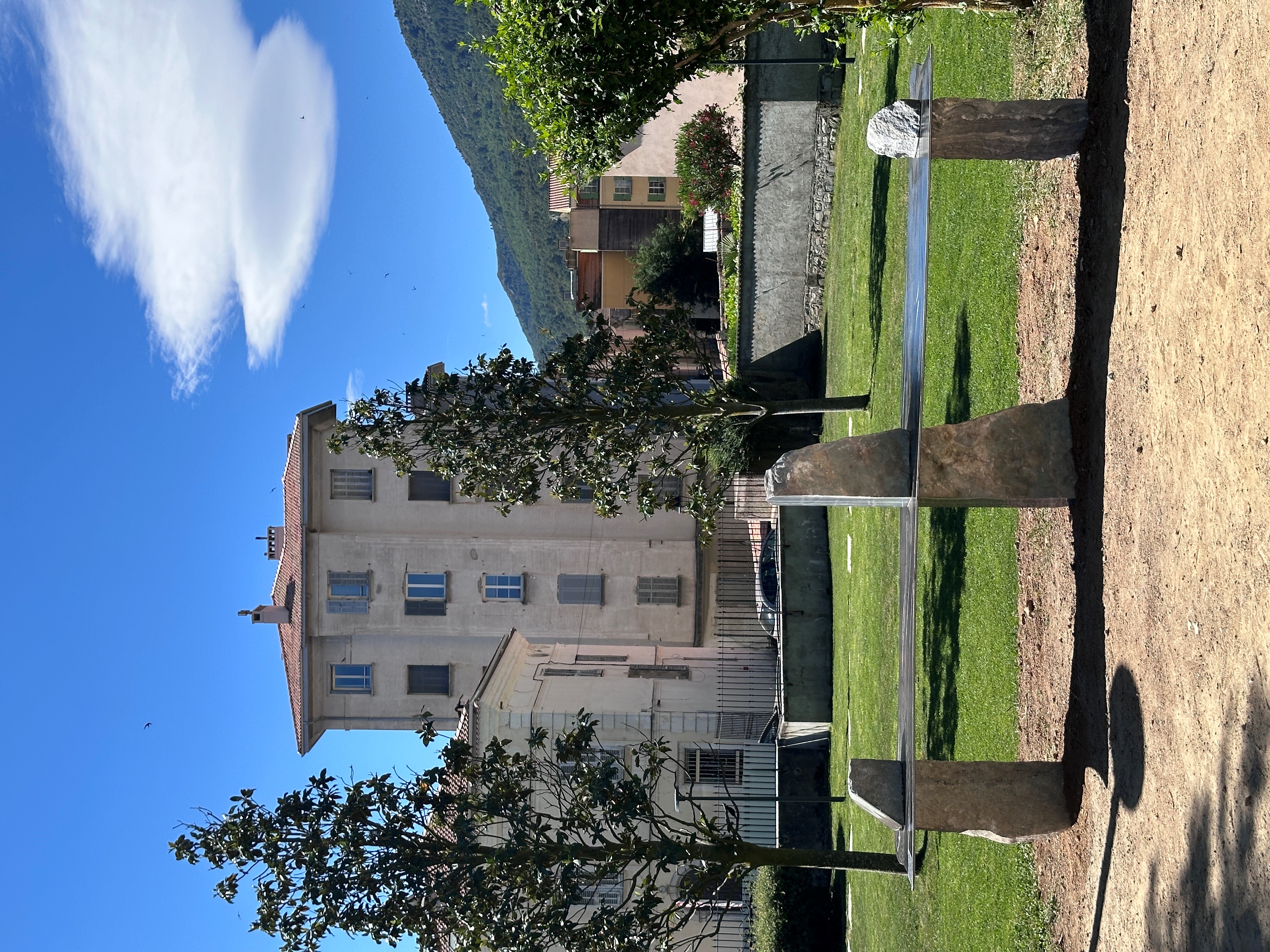
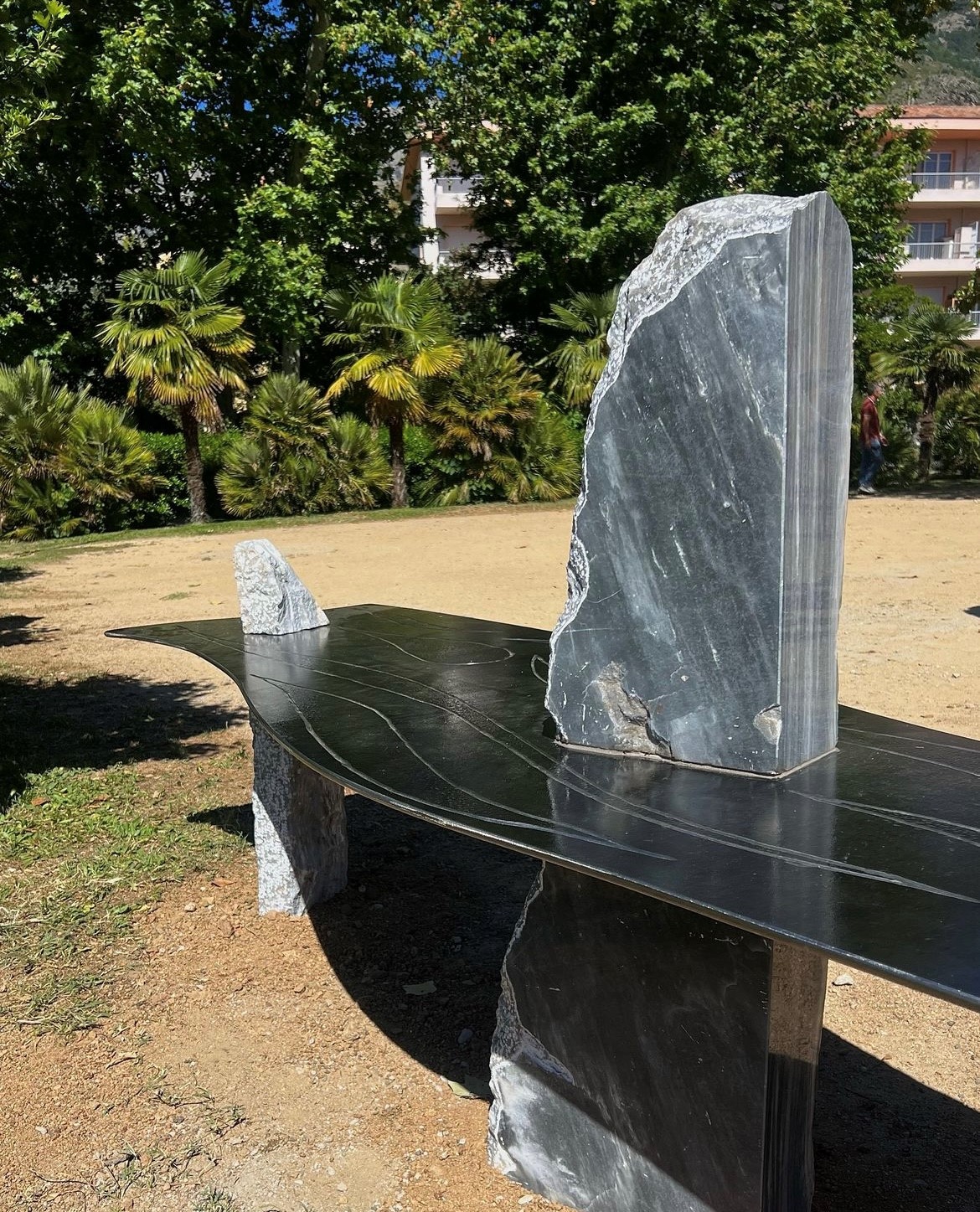
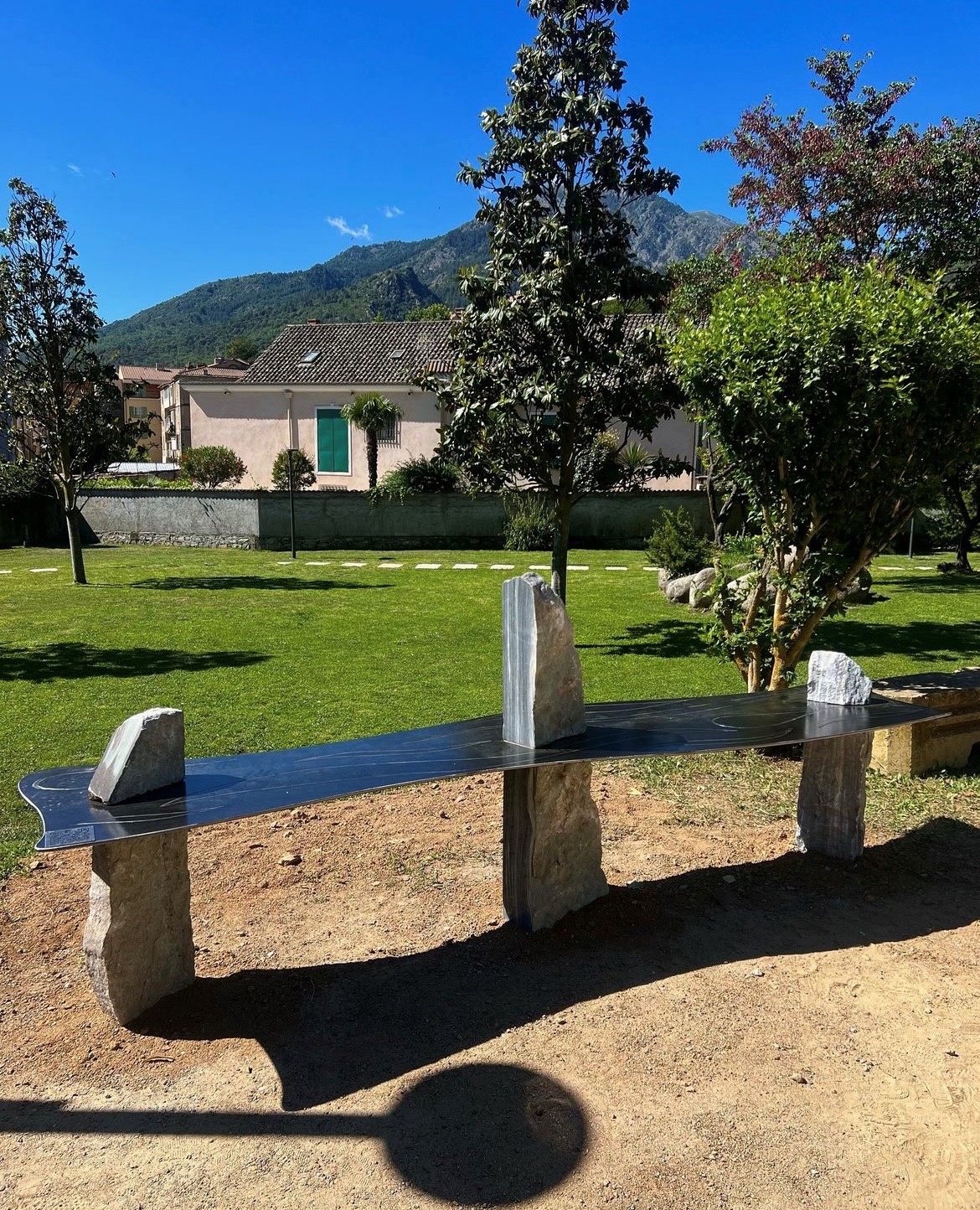
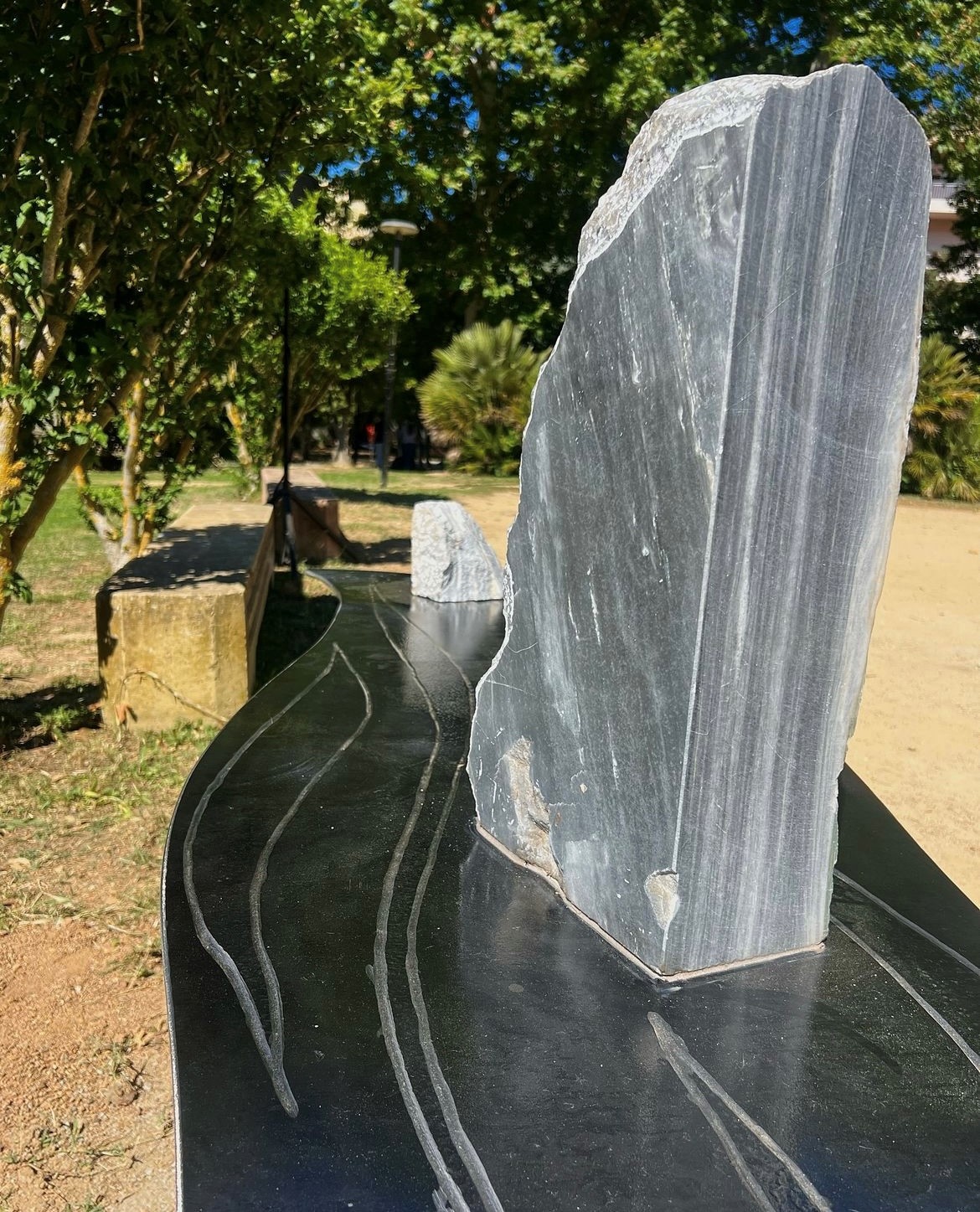

Banc "Restonica e Tavignanu"
Banc "Restonica e Tavignanu"
1871 - 1946
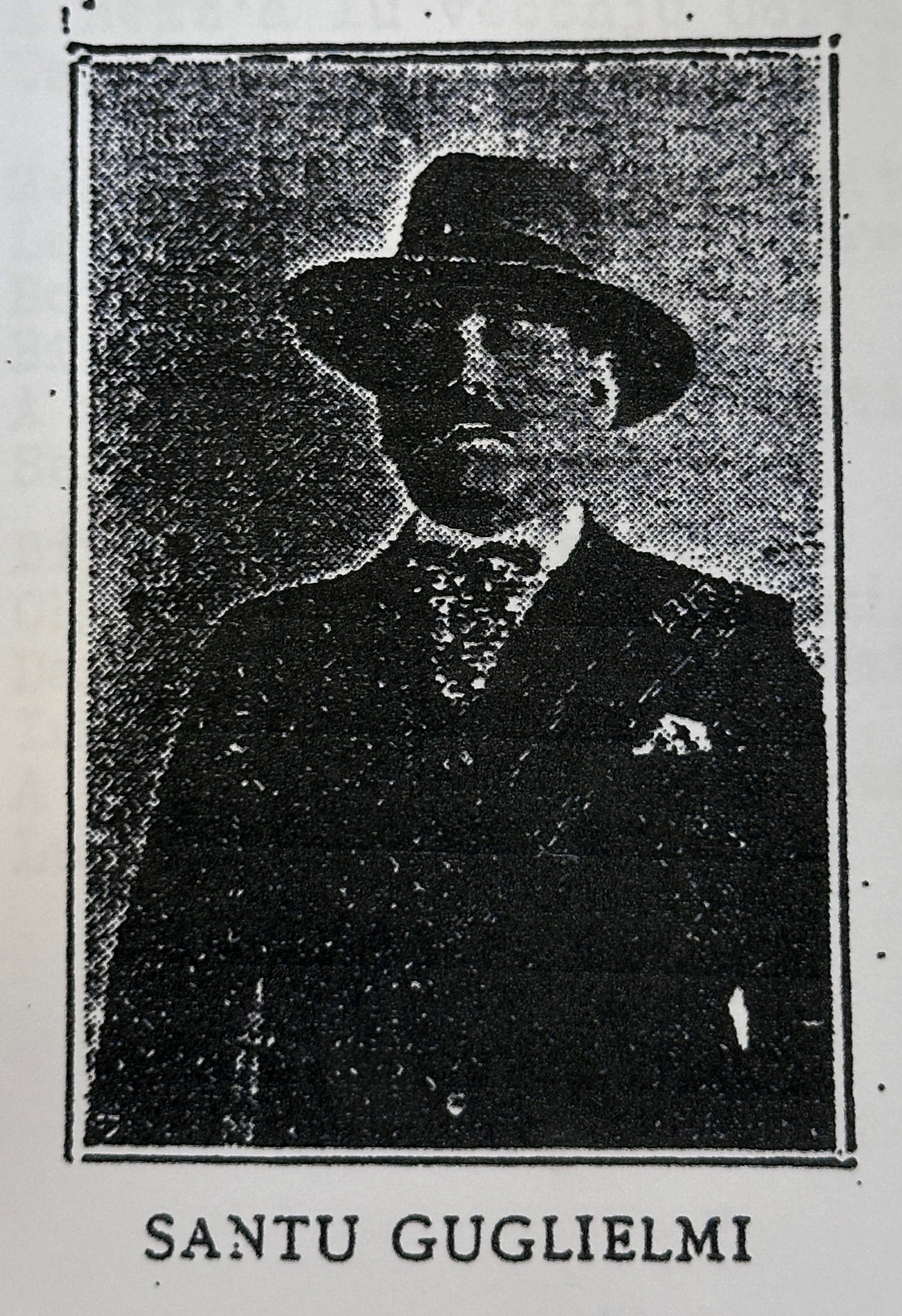
Santu GUGLIELMI (1871/1946)
He was born in Corte on January 2, 1871. Like many Corsicans of his time, he left his native island for France, settling in Paris as a young man. There, he spent more than thirty years uprooted, but always deeply attached to his homeland.
At the start of his literary career, Santu Guglielmi first wrote in French, but it was in Corsican that he truly found his voice. His writings in Corsican, particularly his songs, are the most famous. At the dawn of the 20th century, these songs were often sung as part of the Amicale des Corses de Paris, in which he emotionally expresses his attachment to his homeland and his people. His poems, full of tenderness and nostalgia, evoke treasured memories of his island, including his hometown, Corte, and places dear to his heart such as Ristonica and Tavignano.
Santu Guglielmi's poetry, which he often published in the newspaper A Muvra during the periods of the two world wars, resonates with the gentle language of Corte, which he never forgot despite the years spent away from home. His writings tackle themes such as love of homeland, the simplicity of Corsican lives and feelings of exile, offering an authentic and moving vision of his world.
Among his best-loved poems are Le Retour, Lamentation de l'Employé, La Viducella, Ristonica et Tavignano, and Corte Chérie. These works have impressed readers with their simplicity, sincerity and deep love for Corsica. His poetry is a tribute to his land, his people and his identity, and remains a precious part of Corsica's literary heritage. J.B. Stromboni has collected several of his writings, including three that bear witness to his influence on the Corsican literary scene of the time. Today, we pay tribute to him by publishing one of his finest compositions: Corsica Chère, a poem that embodies all the sweetness and beauty of his love for his homeland.
Santu Guglielmi was also the publisher of magnificent prints, including Corsica, L'Aquila di Corsica and U Culombu, which illustrate his attachment to Corsican culture and art. His life and work remain a precious testimony to exile, love of Corsica and the power of the Corsican language in poetry.
At the Lycée Pascal Paoli in Corte, Me Barbe Filippi's students dreamed of me, Me Frédérique Magot's students celebrated me in poetry. The companies "Ferronerie Albertini" and "Corse Marbrerie" brought me to life.
"Ristonica e Tavignanu"
Hail to the high valleys,
Restonica and Tavignano,
Married between kin
Without mingling or disturbing.
In the middle of old Corte,
You hold hands.
Scented mountains,
Without any disturbance,
Speaking only of beauty,
Trepid in their march,
In the middle of old Corte,
Who eagerly awaits you!
Winter and summer alike,
Playing to whoever runs fastest,
Day and night, you kiss
Like lovers at heart.
In the middle of old Corte,
Singing your love!
Better than the man who invites
His wife to break up too soon,
You, for eternal life,
You hold each other heart to heart,
In the middle of old Corte,
Without changing beds!
Blessed the heavenly hand,
Which made your smile shine,
In front of the festive angels,
Around your face,
In the middle of old Corte,
The most beautiful of paradises!