— Biography
Their story.
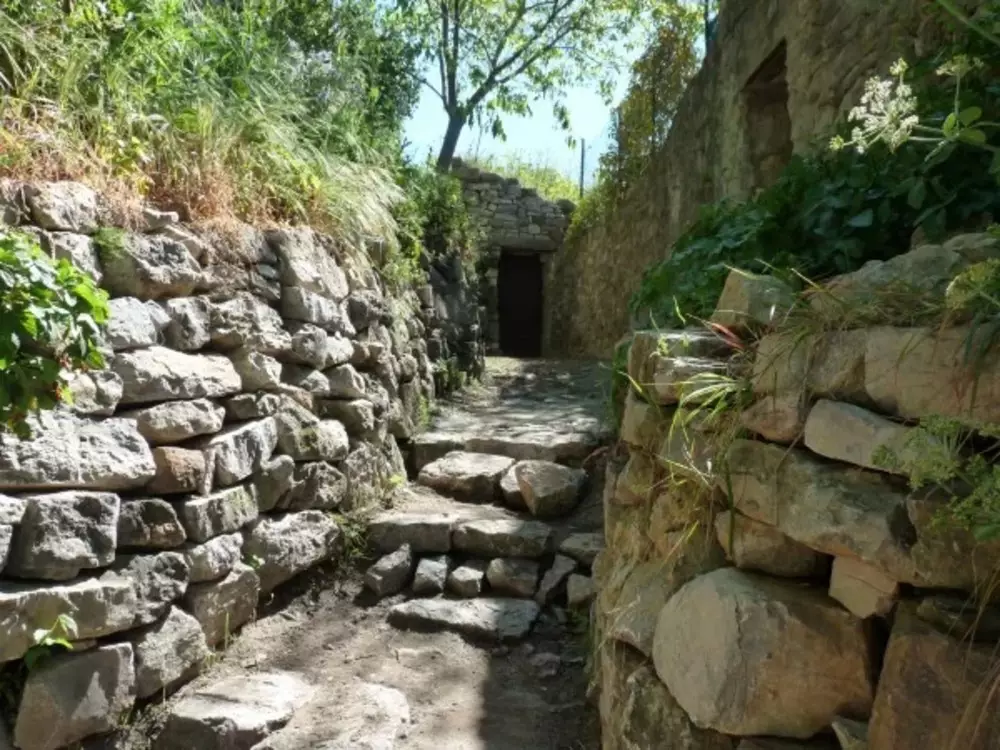
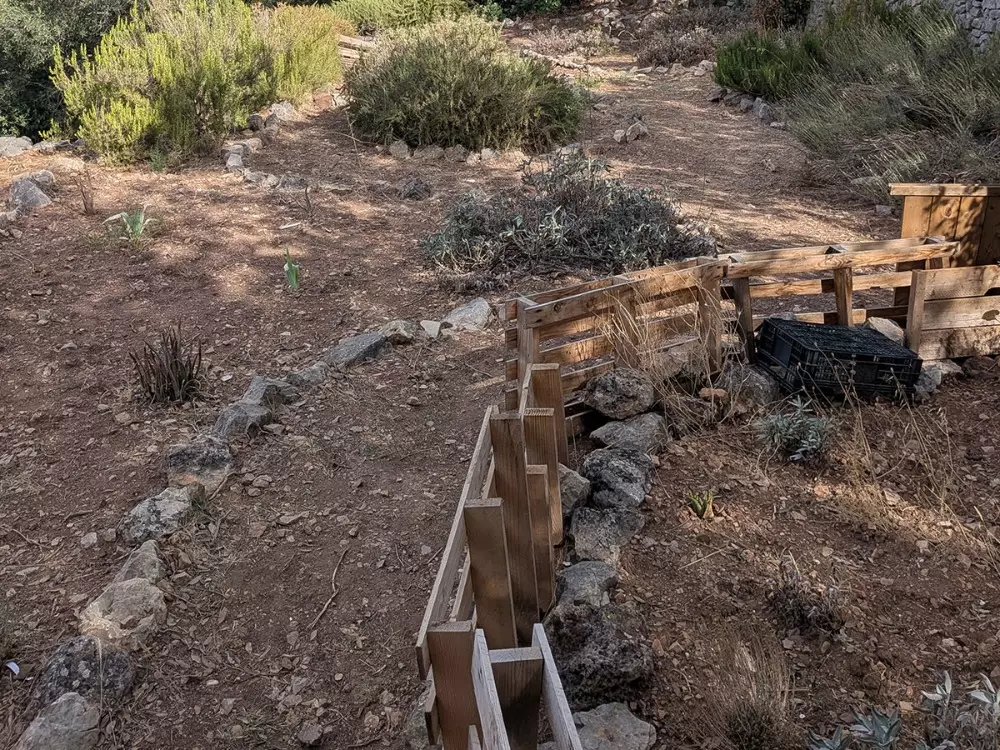
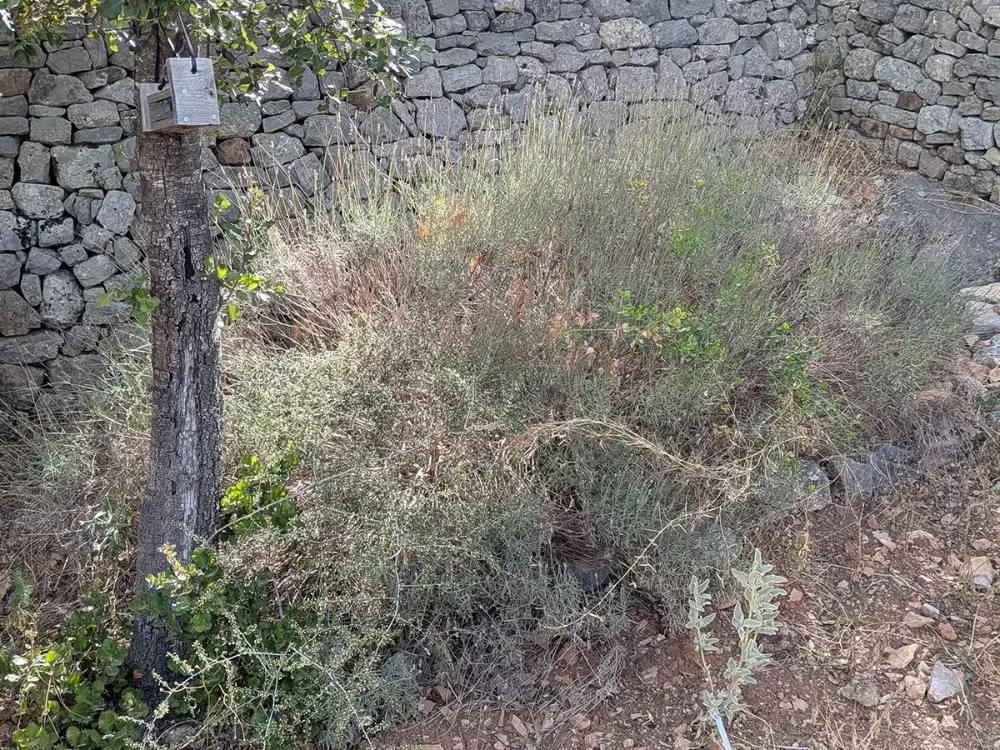
Perched amid the vegetation, the ruins of the old medieval village still overlook Le Luc. A garden planted with local species has recently taken root there, among the stones (rosemary, thyme, savory, sage...). Here, the steep, winding alleys of the medieval village stretch all the way to the top of the hill, where the lord’s residence once stood. As everywhere in Provence, the elevated location was no mere whim: it allowed for surveillance of the thoroughfares and provided shelter for the population in times of danger. Now restored, the site can be explored today via cobblestone stairways starting from the Clock Tower.
- A name that sounds like a reproach: In Provençal, the suffix -as is both augmentative and slightly derogatory: while a “castèl” is a castle, a “castellas” is a large, dilapidated castle. In other words, the site was already in ruins when it was given its name—and it shares the same name as dozens of other fortified hilltops in Provence.
- The village moved down from its hill: From the 12th to the 15th century, one entered the castrum through the portcullis gate, which later became the Clock Tower. Then, once security was restored, the people of Luc left the heights for the plain. The old village then served as a quarry: some of the houses down below were built with stones from up above.
- A sentinel on the Via Aurelia: The plain overlooked by the Castellas was crossed by the great Roman road connecting Italy to the Rhône. The Romans had even established a staging post there, Forum Voconii, located in the Blaïs neighborhood of the neighboring town of Le Cannet-des-Maures. Guarding this passageway was precisely why the hill was fortified.