— Biography
Their story.
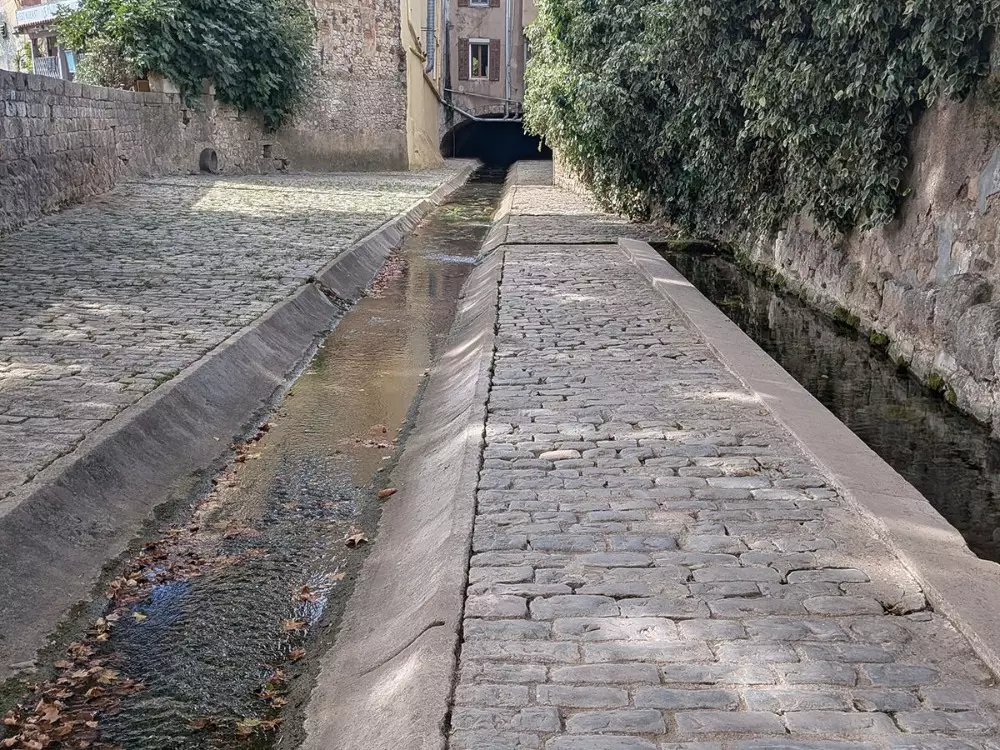
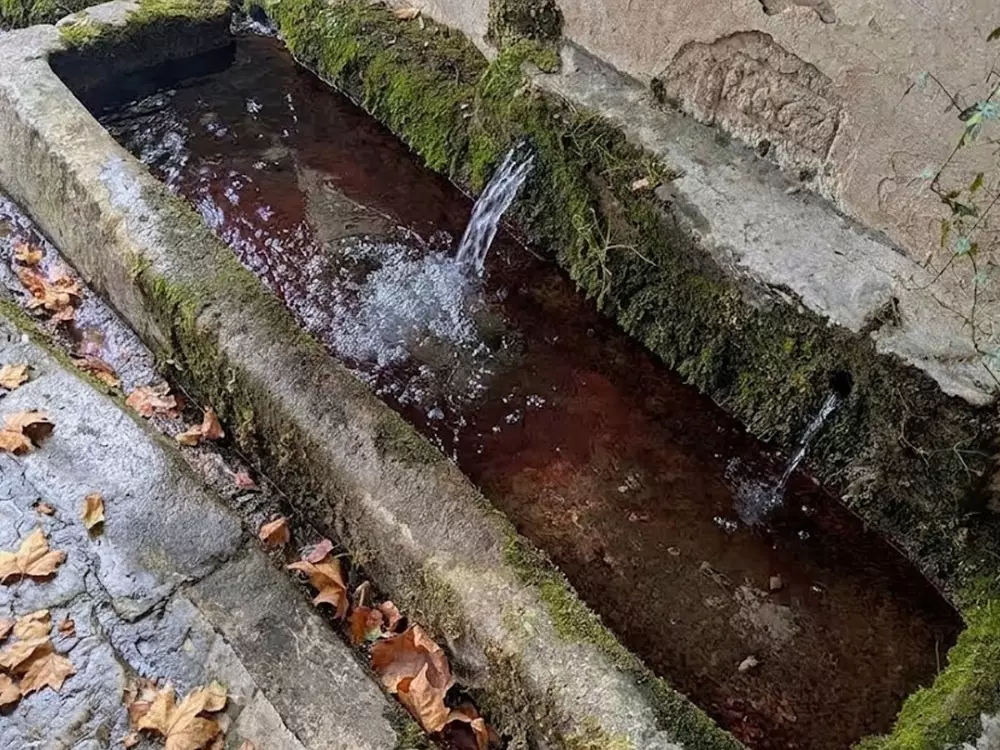
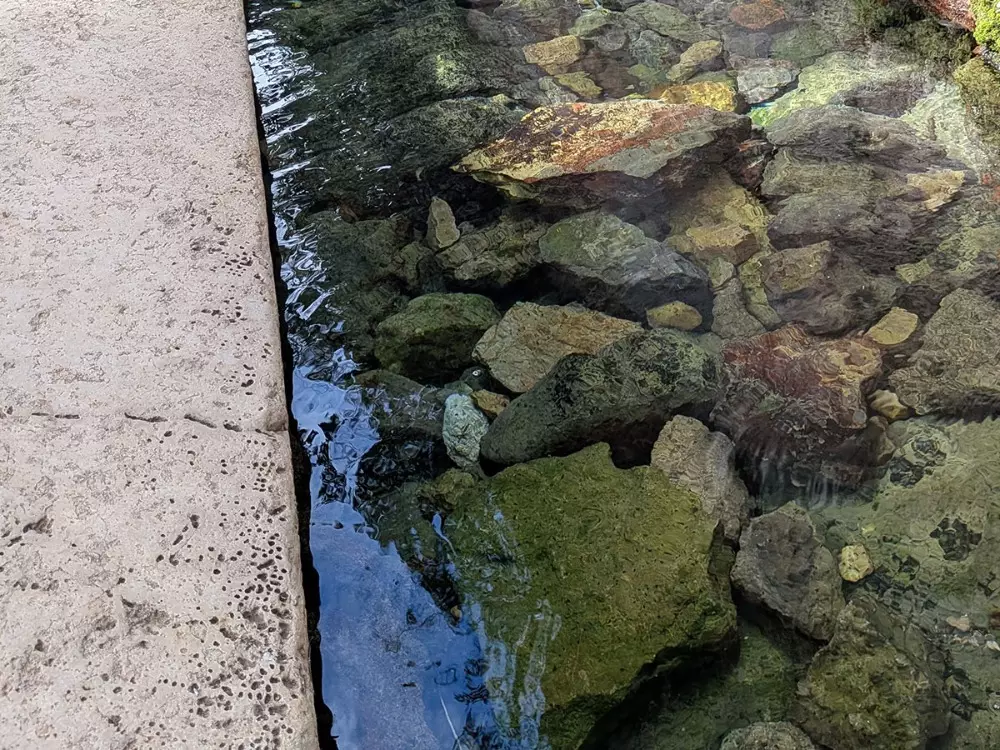
Le Luc-en-Provence: La Galinesse, the village’s oldest fountain. Fountain, washhouse, and stream are all one: in the heart of Le Luc, the Galinesse site tells the story of the residents’ millennia-old relationship with water—both its benefits and its destructive power.
Considered the oldest developed fountain in the town, the Galinesse owes everything to the springs that gush nearby. Its moss-covered stone troughs and double spouts pour out crystal-clear water, just a few steps from the washhouse it once supplied. The dry-stone wall supporting it still bears the scars of the stream’s fury.
- A washhouse along the stream: Here, there is no fixed basin: the washhouse draws directly from the stream, which rushes down a cobblestone alley and passes under the old buildings before reaching it. The washerwomen thus had access to constantly fresh water—a luxury in terms of hygiene at a time when laundry was most often done in stagnant water.
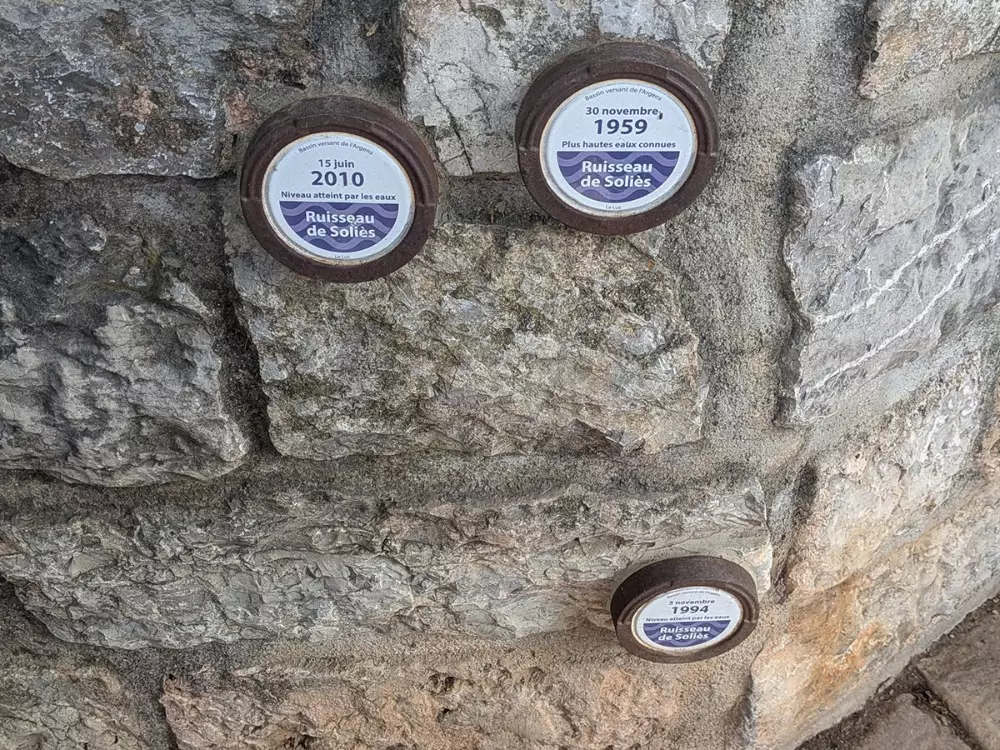
- Two plaques, two disasters: The wall bears several water level marks—a veritable record of floods. At the very top is the mark from June 15, 2010, the Mediterranean storm that claimed more than twenty lives in the Var department. Just below that is the mark from November 30, 1959—“the highest known water level” at the time: those torrential rains in late November were also what filled the Malpasset Dam, which failed on December 2 in Fréjus.
- Galinesse or Solliès: while the stream is called Galinesse here, the flood markers refer to the “Solliès stream.” This apparent contradiction simply serves as a reminder that all these waterways in Le Luc form a single, interconnected network.