— Biography
Their story.
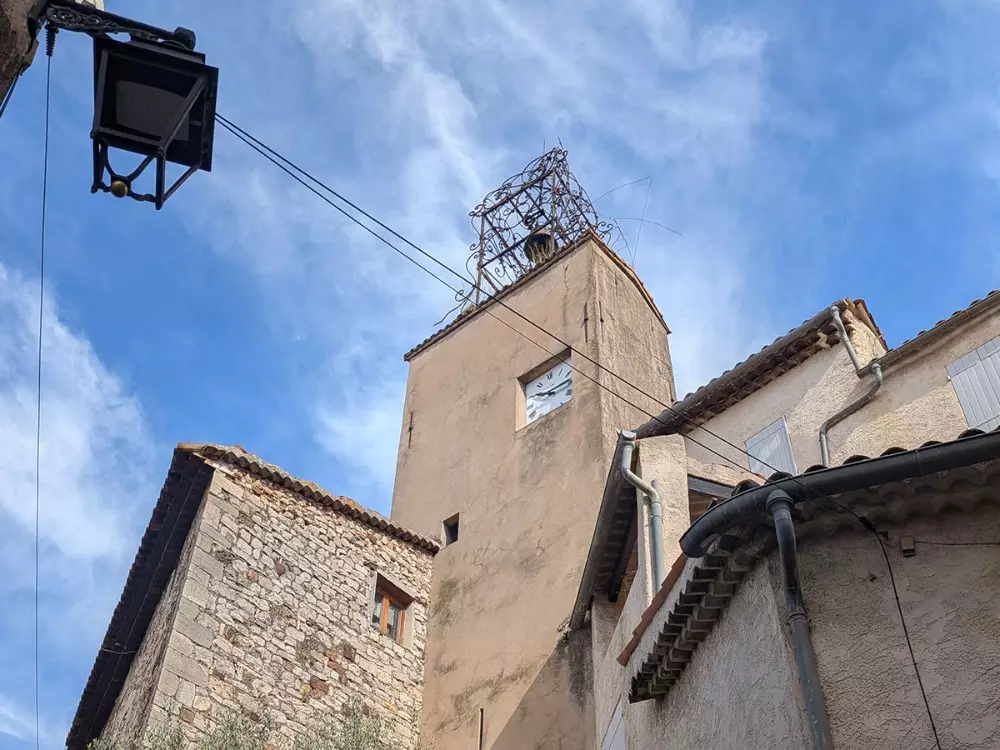
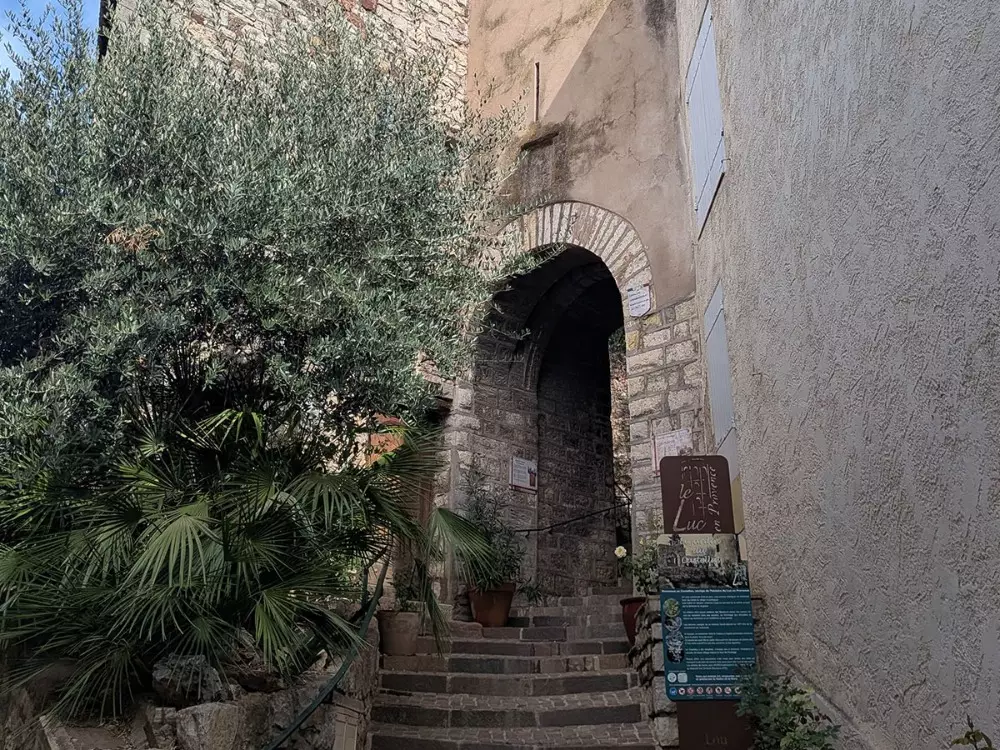
Le Luc-en-Provence: The Clock Tower and Its Forgotten Prison. The only remaining part of the ramparts that once surrounded the medieval village, the Clock Tower conceals the remains of an old prison at its base. It was originally a portcullis gate: from the 12th to the 15th century, it served as the entrance to the castrum. In the 16th century, likely raised in height, it changed its function and became a belfry; its bell dates from this period, while its elegant wrought-iron bell tower dates from the 17th century. Adjacent to it, a 13th-century stone house long served as the town hall. From the tower, cobblestone stairs climb toward the Castellas, the restored old village.
- Three powers stacked atop one another: On the ground floor of the tower, the remains of an old prison still stand. Within just a few square meters, the jail, the neighboring town hall, and the town clock were stacked one on top of the other: confinement, administration, and the control of time—everything that, in a Provençal village, constituted authority.
- Five Days of the Republic: On December 3, 1851, insurgents opposed to Louis-Napoléon Bonaparte’s coup d’état stormed the town hall, dissolved the municipal council, established a provisional commission, and elected a new mayor. On December 8, national forces retook the village. The Var was one of the most rebellious departments in France, and the repression that followed was among the harshest.
- “Little Nice”: In 1960, the Castellas neighborhood earned this nickname: the succulents and palm trees that its residents planted there gave it the feel of the Côte d’Azur, just a few alleys away from the ruins of the medieval village.